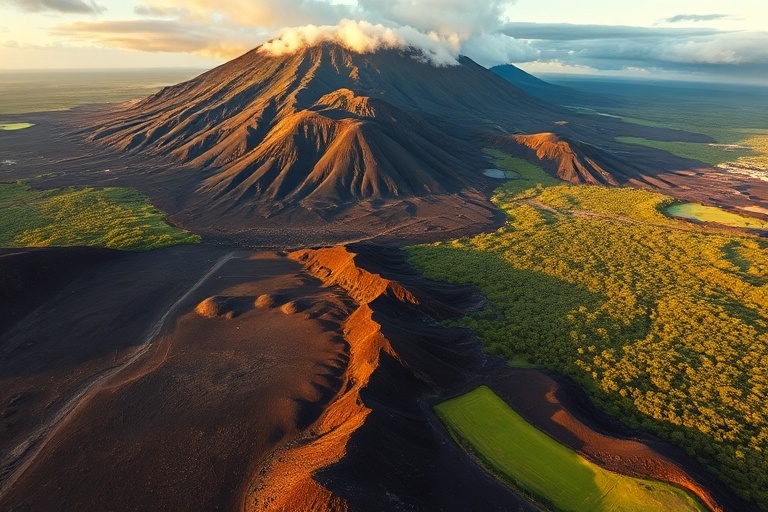
Tenerife: A Year-Round Paradise Between Volcanoes and Ocean
Tenerife stands as the largest of Spain’s Canary Islands, a volcanic outcrop rising from the Atlantic Ocean just off the northwest coast of Africa. The island’s dramatic landscape—defined by Mount Teide, Spain’s highest peak, and sweeping black-sand beaches—creates a backdrop that feels simultaneously ancient and alive. Yet beyond its natural wonders, Tenerife has evolved into a sophisticated travel destination, offering world-class resorts, vibrant nightlife, and quiet rural retreats. It’s a place where the rhythm of life moves to the sound of crashing waves and the distant rumble of geology beneath the surface.
What truly sets Tenerife apart is its microclimates. In a single day, travelers can hike through moon-like lava fields at sunrise, dip in a natural volcanic pool by midday, and enjoy sunset over the Atlantic while sipping wine in a hillside vineyard. This diversity makes it more than just a beach escape; it’s a destination where adventure and relaxation coexist seamlessly. Whether you’re seeking high-energy activities, cultural experiences, or moments of solitude in nature, Tenerife delivers.
The Geological Heart of the Island: Teide National Park
At the center of Tenerife lies Mount Teide, a stratovolcano that dominates the island’s skyline and shapes its identity. Standing at 3,718 meters (12,198 feet), Teide is not only the highest point in Spain but also one of the most visited national parks in the world. The landscape here is surreal—jagged lava flows, sulfur vents emitting faint wisps of gas, and the towering peak itself often crowned with snow even in summer. The park was designated a UNESCO World Heritage Site in 2007, recognized not just for its geological significance but for its role in the history of volcanology.
A cable car, known as Teleférico del Teide, ascends from the base to within 200 meters of the summit, offering breathtaking panoramas of the island and neighboring islands on clear days. For those seeking a more immersive experience, guided hikes lead through the Roques de García, a collection of ancient lava formations that resemble sculpted monoliths. The park’s high altitude and thin atmosphere also make it an ideal spot for stargazing. The Teide Observatory, one of the world’s leading solar observatories, sits nearby, and nighttime tours reveal constellations with a clarity rarely seen in more polluted regions.
The volcano’s most recent eruption occurred in 1909, but its presence remains palpable. The ground is warm in places, and the scent of sulfur lingers near fumaroles. This living geology reminds visitors that Tenerife is still forming, a dynamic island where the Earth is very much awake.
Coastal Contrasts: From Golden Sands to Hidden Coves
Tenerife’s coastline stretches over 300 kilometers, offering everything from long, golden beaches to secluded coves carved into volcanic cliffs. The most famous is Playa de las Teresitas, near Santa Cruz de Tenerife. This man-made beach features imported Saharan sand, giving it a warm, golden hue that contrasts with the island’s darker volcanic shores. Lined with palm trees and backed by a backdrop of lush Anaga mountains, it’s a postcard-perfect spot for swimming and sunbathing.
On the island’s southern coast, the resorts of Playa de las Américas and Los Cristianos have become synonymous with sun, sea, and entertainment. This area draws millions annually with its vibrant nightlife, water parks, and family-friendly attractions. Yet even here, pockets of tranquility exist. A short walk from the main promenade in Playa de las Américas leads to Playa del Duque, a quieter beach with golden sand and upscale amenities.
The western coast offers a different character entirely. Los Gigantes cliffs rise up to 600 meters from the sea, creating a dramatic wall that shades coves like Masca Beach. Accessible only by boat or a steep hike, Masca is a secluded paradise surrounded by steep ravines. It’s a place where the ocean’s turquoise waters meet towering rock faces, and the only sounds are the wind and the waves. For adventurous travelers, it represents the wild, untouched side of Tenerife.
In the north, Puerto de la Cruz retains an old-world charm. Its black sand beaches, such as Playa Jardín, are cooled by trade winds, making them ideal for surfing. The town’s historic center features colonial architecture, cobbled streets, and the famous Lago Martiánez, a stunning oceanfront pool complex designed by César Manrique. It’s a reminder that Tenerife’s appeal isn’t limited to its beaches—it’s also a place rich in history and design.
Culture and Cuisine: A Fusion of Tradition and Innovation
Tenerife’s cultural identity is a blend of indigenous Guanche heritage, Spanish colonial influence, and modern cosmopolitan energy. The Guanche people, the island’s original inhabitants, left behind cave dwellings, pottery, and a rich oral tradition. Today, their legacy is preserved in museums like the Museo de la Naturaleza y el Hombre in Santa Cruz, where visitors can see mummified remains and ancient tools. The island also celebrates its past through festivals such as the Carnival of Santa Cruz de Tenerife, one of the world’s largest and most colorful street parties, drawing over half a million visitors each year.
Food is another expression of Tenerife’s cultural fusion. The island’s cuisine is hearty and flavorful, relying on fresh seafood, local cheeses, and slow-cooked meats. Must-try dishes include papas arrugadas—wrinkled potatoes boiled in saltwater and served with mojo sauce, a spicy red or green condiment made from peppers, garlic, and olive oil. Another staple is gofio, a toasted cornmeal used in everything from desserts to stews, a legacy of the Guanche diet.
Wine lovers will find a thriving industry in Tenerife’s volcanic vineyards. The island produces several unique wines, particularly in the regions of Tacoronte-Acentejo and Ycoden-Daute-Isora. The vines grow in picón, a porous volcanic soil that drains quickly and retains heat, creating wines with a distinctive minerality. Many bodegas offer tastings, and the annual Tenerife Wine Festival in February showcases over 50 local wineries.
For those interested in contemporary art and design, the island offers several gems. The César Manrique Foundation, housed in the artist’s former home in Tahíche, showcases his visionary work blending architecture with nature. Manrique, a native of Lanzarote, designed several key sites in Tenerife, including the Auditorio de Tenerife in Santa Cruz, a modernist masterpiece that has become an architectural icon.
Practical Considerations: Getting the Most Out of Your Visit
Tenerife is easily accessible, with two international airports: Tenerife South (TFS) and Tenerife North (TFN). Most international flights arrive at Tenerife South, which is closer to the southern resorts and Teide National Park. The island has an efficient public transport system, including buses (guaguas) and a tram that connects Santa Cruz with La Laguna, a UNESCO-listed city known for its colonial architecture and student vibe. Renting a car is advisable for exploring rural areas and the interior of the island, where bus routes are less frequent.
Accommodation ranges from luxury 5-star resorts to rural guesthouses and eco-lodges. In the south, high-rise hotels dominate the skyline, offering all-inclusive packages and direct beach access. In the north, boutique hotels and restored fincas (country houses) provide a more intimate experience. For budget travelers, hostels and apartments in smaller towns like Garachico or El Sauzal offer authentic local living at lower prices.
When planning your itinerary, consider the following tips:
- Best time to visit: April to October offers warm weather and calm seas, ideal for beach activities. November to March is cooler but perfect for hiking and cultural exploration, with fewer crowds and lower prices.
- Transport between islands: Ferries connect Tenerife to La Palma, La Gomera, and Gran Canaria, making it easy to explore the archipelago. Consider a multi-day pass if island-hopping.
- Health and safety: Tap water is safe to drink, and healthcare standards are high. The island has a low crime rate, but always secure valuables in tourist areas.
- Local customs: Tipping is not mandatory but appreciated. Respect quiet hours in residential areas, especially in the early afternoon when siestas are common.
The island’s compact size means that even a week-long stay allows for a rich mix of experiences. Starting with a few days in the south for beach relaxation, then moving north for culture and nature, offers a balanced perspective. And for those who love to hike, the hiking trails in Anaga Rural Park, another UNESCO Biosphere Reserve, are not to be missed.
A Lasting Impression
Tenerife defies easy categorization. It’s not just a beach destination, nor is it solely a nature retreat. It’s a place where history, geology, and modernity intersect in unexpected ways. Whether you’re standing atop Teide watching the sun rise over a sea of clouds, or sipping local wine in a vineyard overlooking the ocean, the island has a way of lingering in your memory long after you’ve left.
Its greatest strength may be its versatility. Families find safe, engaging beaches and theme parks. Couples discover romantic sunsets and intimate coves. Adventurers scale volcanoes and surf wild waves. And those seeking peace find quiet villages and starlit skies. Tenerife doesn’t just cater to different tastes—it redefines them. It reminds us that paradise isn’t a single place, but a state of being, and on this island, that state is always within reach.
As the Atlantic breezes carry the scent of salt and earth, and the distant silhouette of Teide fades into the horizon, one thing becomes clear: Tenerife isn’t just a destination. It’s an experience worth repeating.