Blackpool’s Weather: A Microcosm of Britain’s Unpredictable Climate
Blackpool’s weather is as legendary as its tower and beaches. The seaside town in Lancashire, England, experiences a maritime climate that oscillates between dramatic storms and unseasonably warm days within hours. This volatility isn’t unique to Blackpool—it reflects broader patterns across the British Isles, where the Atlantic’s influence shapes daily life. Yet Blackpool’s coastal position amplifies these effects, making its weather a subject of local lore and practical concern.
For residents and visitors alike, understanding Blackpool’s weather means preparing for anything. The town’s microclimate is influenced by the Irish Sea, which moderates temperatures but also fuels sudden changes. In winter, biting winds off the water can drop perceived temperatures far below the actual reading. Summers, while milder than inland areas, often bring a persistent sea breeze that keeps the air fresh but can chill even June afternoon strolls.
The Seasons in Blackpool: What to Expect
Blackpool’s four seasons each offer distinct weather experiences, though none are entirely predictable. Winters are cool and damp, with occasional frosts but rarely heavy snow. Spring arrives cautiously, marked by frequent showers and a gradual warming of the sea. Summers bring the highest temperatures of the year, though they rarely exceed 22°C (72°F). Autumn is perhaps the most dramatic season, as the North Atlantic’s influence intensifies, leading to stormy seas and sudden gales.
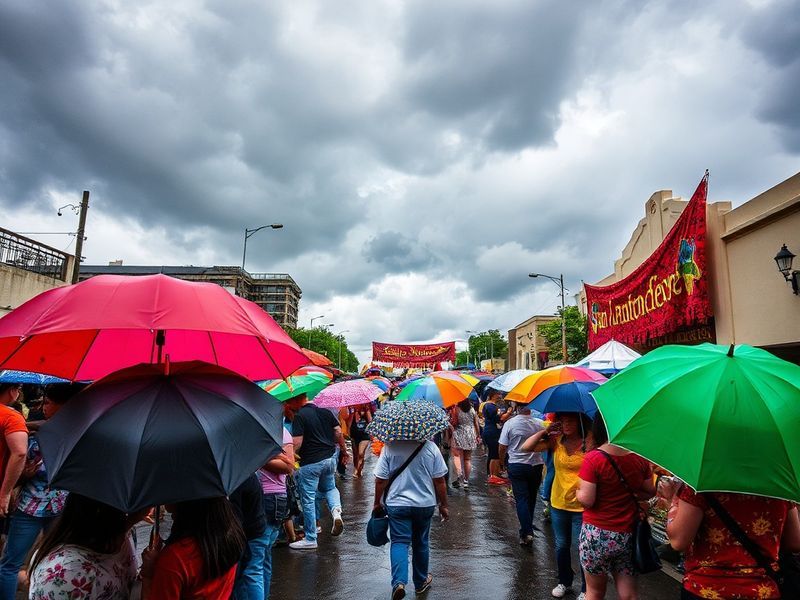
This variability isn’t just a quirk of geography—it’s a reminder of how coastal regions balance beauty and unpredictability. For those planning a trip to Blackpool, the key is flexibility. A sunny morning might give way to a downpour by lunchtime, or a brisk walk along the promenade could end with a rainbow over the Irish Sea.
How Blackpool’s Weather Shapes Local Life
Blackpool’s economy and culture are deeply entwined with its weather. The town’s famous illuminations, for instance, were originally designed to attract visitors during the darker months. Today, they remain a year-round draw, but their impact is greatest when the evenings are crisp and clear. Similarly, the Pleasure Beach’s roller coasters operate rain or shine, though high winds occasionally force temporary closures for safety.
For the local fishing industry, Blackpool’s weather is both a blessing and a challenge. The Irish Sea’s bounty depends on seasonal patterns, with winter cod fishing and summer prawn hauls shaping livelihoods. Yet storms can disrupt schedules for weeks, leaving crews stranded or forcing last-minute cancellations. Even the town’s nightlife adapts—indoor venues like theatres and pubs thrive during inclement weather, while outdoor attractions like the Sandcastle Waterpark rely on summer’s rare but reliable sunshine.
This interplay between weather and daily life isn’t unique to Blackpool. Coastal towns worldwide face similar challenges, from Maine’s lobster fishermen to Sydney’s Bondi Beach surfers. What sets Blackpool apart is its resilience—a refusal to let the elements dictate its spirit. Whether it’s the resilience of the travel industry or the adaptability of locals, Blackpool’s weather fosters a culture that embraces change.
A Global Perspective: Coastal Climates and Cultural Identity
Blackpool’s weather is a microcosm of broader climatic trends affecting coastal communities globally. Rising sea temperatures, linked to climate change, are altering marine ecosystems and weather patterns. In Blackpool, this has meant milder winters but also an increase in unpredictable storms. Similar shifts are evident in other coastal cities, from Venice’s flooding issues to Miami’s hurricane seasons.
Culturally, these changes resonate deeply. In Blackpool, weather isn’t just a topic of small talk—it’s a defining feature of local identity. The phrase “if you don’t like the weather in Blackpool, wait five minutes” is repeated with pride, a nod to the town’s ability to weather any storm, literal or metaphorical. This mindset mirrors attitudes in other coastal towns, where resilience is a way of life. In Lisbon, Portugal, the saying goes, “Today it rains, tomorrow the sun shines.” In San Francisco, locals joke that the city has two seasons: summer and winter. These shared experiences highlight how weather shapes collective identity.
Environmentalists also point to Blackpool’s weather as a case study in adaptation. The town’s flood defenses, updated regularly to cope with rising sea levels, serve as a model for other seaside communities. Meanwhile, local initiatives like community gardens and renewable energy projects reflect a broader effort to mitigate the impact of climate change. These efforts are crucial, as coastal regions face growing threats from erosion, flooding, and biodiversity loss.
Practical Tips for Navigating Blackpool’s Weather
For anyone visiting or living in Blackpool, preparation is key. Here’s a quick guide to making the most of the town’s ever-changing climate:
- Layer your clothing: Temperatures can fluctuate by 10°C (18°F) within a day. A light jacket, sweater, and breathable base layer will keep you comfortable.
- Check the forecast daily: While weather apps provide general trends, local updates from the Met Office or BBC Weather offer more accurate insights for coastal areas.
- Embrace indoor attractions: Blackpool’s museums, arcades, and theatres are perfect for rainy days. The Grundy Art Gallery and Blackpool Tower’s indoor attractions are must-visits.
- Plan for outdoor activities around the tide: Low tide reveals hidden beaches and rock pools, ideal for family explorations. High tide, meanwhile, brings dramatic waves to the shore.
- Stay flexible: Whether it’s a sudden shower or a surprise heatwave, Blackpool’s weather rewards spontaneity. Pack a compact umbrella or a sunhat—you’ll likely need both.
The Future of Blackpool’s Weather: What’s Next?
As climate change continues to reshape global weather patterns, Blackpool’s future remains uncertain. Scientists predict warmer, wetter winters and hotter, drier summers for the UK, though coastal regions may see more extreme weather events. For Blackpool, this could mean longer tourist seasons but also increased pressure on infrastructure to handle storms and flooding.
Yet the town’s history suggests it will adapt. From its Victorian-era seafront developments to its modern flood defenses, Blackpool has always evolved with its environment. The challenge now is balancing growth with sustainability—protecting its natural beauty while embracing the changes ahead.
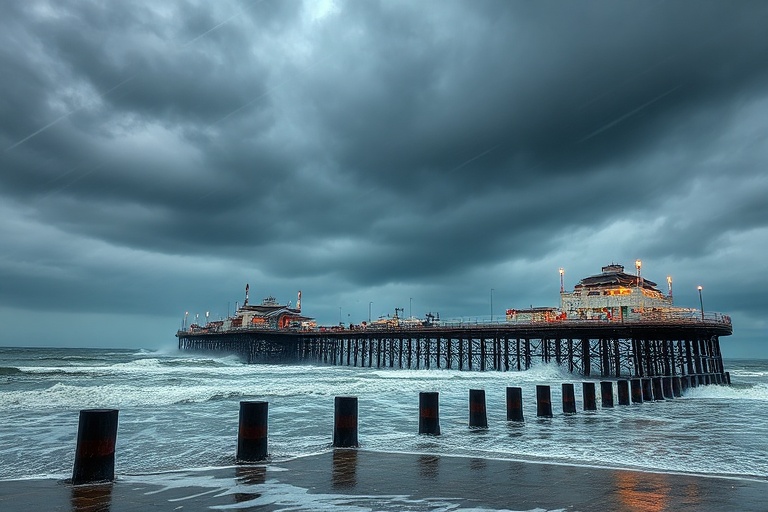
One thing is certain: Blackpool’s weather will keep surprising us. Whether it’s a golden sunset over the Irish Sea or a sudden downpour on the Central Pier, the elements will continue to shape the town’s character. For visitors, it’s part of the charm. For locals, it’s simply life by the sea.
“Blackpool’s weather is like its people—unpredictable, resilient, and full of surprises. You learn to take it as it comes.”
Local fisherman, Blackpool
In the end, Blackpool’s weather is more than just rain and shine. It’s a reflection of the town’s spirit—a blend of tradition and adaptation, beauty and challenge. As the world grapples with climate change, Blackpool’s story offers a timely reminder: the elements may shape our lives, but they don’t define them.