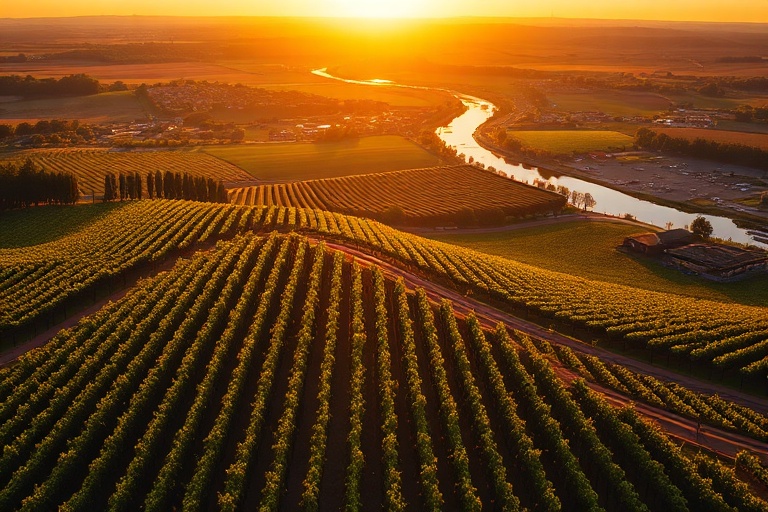
Few places on Earth command the same reverence for wine as Bordeaux, France. This southwestern city, cradled by the Garonne River, has shaped global viticulture for centuries. Its legacy isn’t just about bottles—it’s about terroir, tradition, and the unrelenting pursuit of excellence. Bordeaux’s vineyards span 120,000 hectares, producing wines that range from everyday table wines to legendary vintages auctioned for thousands of dollars.
The region’s influence extends beyond its cellars. Bordeaux’s architecture, gastronomy, and cultural festivals make it a destination for connoisseurs and casual visitors alike. Yet, its reputation rests on a foundation built over 2,000 years of winemaking history. From Roman settlements to medieval trade hubs, Bordeaux’s identity has always been intertwined with its liquid gold.
The Terroir That Defines Bordeaux
Bordeaux’s terroir is a study in contrasts. The region’s climate—maritime yet tempered by the Atlantic—creates a delicate balance of humidity and sunshine. This moderation allows grapes to ripen slowly, developing complex flavors. The soil tells another part of the story: gravel, limestone, and clay each impart distinct characteristics to the wines produced in their shadow.
The Left Bank, home to famous appellations like Margaux and Saint-Julien, is dominated by gravel soils. These stones, deposited by ancient rivers, drain well and retain heat, fostering bold Cabernet Sauvignon-based blends. The Right Bank, including Saint-Émilion and Pomerol, features clay and limestone, nurturing Merlot and Cabernet Franc to produce richer, velvety wines.
Subregions like Entre-Deux-Mers bridge these extremes, offering fresh, crisp whites from Sauvignon Blanc and Semillon. This diversity ensures Bordeaux’s wines cater to every palate, from dry whites to luscious dessert wines like Sauternes.
- Left Bank: Cabernet Sauvignon-dominant blends, structured and age-worthy.
- Right Bank: Merlot-forward wines, plush and approachable.
- Entre-Deux-Mers: Dry white wines with vibrant acidity.
- Sweet Wines: Sauternes and Barsac, harvested late for botrytized grapes.
A History of Power and Prestige
Bordeaux’s ascent began in the 12th century when Eleanor of Aquitaine married Henry II of England, linking the region’s wines to the English court. By the 17th century, Dutch traders had drained the marshes around Bordeaux, expanding vineyard acreage and improving drainage—a move that elevated the quality of the wines. The 1855 Classification, commissioned for the Paris Exposition, cemented Bordeaux’s hierarchy, ranking châteaux into five tiers that remain influential today.
Phylloxera, the devastating louse that ravaged European vineyards in the 19th century, nearly destroyed Bordeaux. Yet, the region rebounded by grafting European vines onto American rootstocks, a solution that preserved its viticultural identity. The 20th century brought further challenges: overproduction, changing tastes, and global competition. Bordeaux responded with innovation—precision viticulture, organic farming, and a renewed focus on sustainability.
Today, the city of Bordeaux is a UNESCO World Heritage Site, celebrated for its 18th-century neoclassical architecture. The Place de la Bourse, with its iconic Miroir d’Eau reflecting the sky, symbolizes the city’s blend of grandeur and modernity. Yet, the true heartbeat of Bordeaux lies in its châteaux, where winemakers blend tradition with cutting-edge technology.
The Economics of Bordeaux Wine
Bordeaux is big business. The region contributes €15 billion annually to France’s economy, employing over 140,000 people. Export markets drive this engine, with China, the United States, and the United Kingdom leading demand for Bordeaux wines. En Primeur, the annual futures market, sees châteaux release samples of young wines for sale before they’re bottled—a speculative system that can make or break a vintage’s reputation.
However, Bordeaux faces pressure from new-world competitors like Napa Valley and Australia, which offer bold, fruit-forward styles at competitive prices. To stay relevant, Bordeaux has embraced change. Producers are experimenting with lesser-known grapes like Touriga Nacional and Marselan, while organic and biodynamic practices gain ground. The rise of Bordeaux blends in markets like California and Argentina also underscores the region’s global influence.
Climate change presents another challenge. Warmer temperatures are shifting harvest dates and altering alcohol levels, forcing winemakers to adapt. Some are exploring higher-altitude vineyards or drought-resistant rootstocks to future-proof their wines. Others are revisiting traditional techniques, such as earlier picking to preserve acidity.
Beyond the Bottle: Bordeaux’s Cultural Tapestry
Wine isn’t Bordeaux’s only draw. The city’s culinary scene is a celebration of French gastronomy, with Michelin-starred restaurants and bustling markets. The Marché des Capucins offers a sensory overload of fresh oysters, foie gras, and seasonal produce, while bistros serve classic dishes like duck confit and lamproie à la bordelaise, a local eel stew.
Bordeaux’s festivals showcase its creative spirit. The Fête le Vin, held every two years, transforms the riverfront into a playground of wine tastings, concerts, and fireworks. Meanwhile, the Bordeaux International Festival of Contemporary Dance brings avant-garde performances to historic venues. Art and wine collide at the Cité du Vin, a futuristic museum dedicated to the culture of wine, where visitors can “travel” through vineyards via immersive exhibits.
The region’s wine tourism industry has boomed in recent years, with châteaux offering everything from guided tastings to luxury stays in converted 19th-century mansions. Visitors can cycle through vineyards on the Route des Châteaux or take a scenic boat tour along the Garonne. For those seeking a deeper dive, workshops on blending or blending sessions provide hands-on experience.
Bordeaux’s influence extends to entertainment and culture, inspiring films, literature, and music. The 2019 film Chanson douce (based on Leïla Slimani’s novel) and the 2013 documentary Bordeaux, La Belle Inconnue highlight the region’s allure. Even hip-hop artists like Travis Scott have name-dropped Bordeaux in their lyrics, proving its reach beyond traditional wine circles.
Looking Ahead: The Future of Bordeaux
Bordeaux’s future hinges on balancing tradition and innovation. Younger generations of winemakers, often returning from studies abroad, are introducing sustainable practices and experimental techniques. Social media has also democratized access, with châteaux sharing behind-the-scenes content and engaging directly with consumers.
The rise of natural wines and minimal-intervention styles is another trend shaking up the region. While controversial among traditionalists, these wines appeal to younger drinkers seeking authenticity. Bordeaux’s response? A growing number of certified sustainable estates, like Château Palmer’s “Alter Ego” project, which focuses on biodiversity and regenerative farming.
As climate change reshapes the wine world, Bordeaux’s adaptability will determine its longevity. The region’s deep pockets and collective expertise give it an edge, but complacency is not an option. Whether through technological advancements or a return to ancient varieties, Bordeaux must continue evolving to stay at the forefront of the global wine stage.
One thing is certain: Bordeaux’s story is far from over. As the world’s palates evolve and new challenges emerge, this storied region will remain a benchmark for winemaking excellence. For those who savor its wines, Bordeaux is more than a place—it’s a legacy in a glass.