car chase
“`html
Car Chase: The High-Speed Spectacle That Defines Modern Thrills
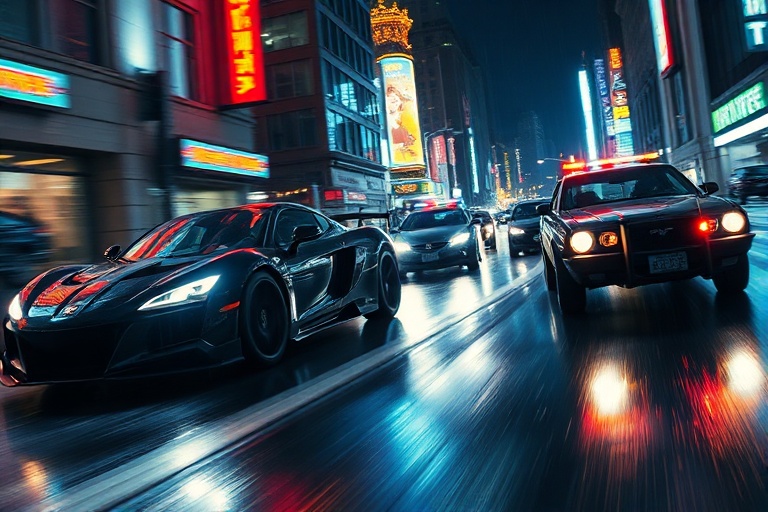
The car chase has long been a staple of cinema, television, and real-life drama. From Hollywood blockbusters to grainy dashcam footage, these high-octane sequences captivate audiences with their blend of danger, skill, and sheer spectacle. But what makes car chases so universally compelling? The answer lies in their ability to condense adrenaline, suspense, and human drama into a few fleeting minutes of screeching tires and pounding hearts.
Globally, car chases have evolved beyond mere action set pieces. They reflect cultural attitudes toward law enforcement, technology, and individualism. In some countries, high-speed pursuits are celebrated as daring feats of driving prowess, while in others, they symbolize systemic failures in policing and urban planning. This duality adds layers of meaning to what might otherwise seem like simple entertainment.
The Evolution of the Car Chase in Film
The car chase as we know it today began to take shape in the early 20th century, but it was the 1960s and 1970s that cemented its place in popular culture. Films like Bullitt (1968) and The French Connection (1971) introduced audiences to the raw, unfiltered thrill of high-speed pursuits. These movies prioritized realism over spectacle, using long takes and practical effects to immerse viewers in the action.
As technology advanced, so did the complexity of car chases in film. The 1990s saw a shift toward CGI-enhanced sequences, allowing for impossible stunts and breathtaking aerial shots. Franchises like Fast & Furious turned car chases into a global phenomenon, blending automotive culture with over-the-top action. Yet, even as budgets ballooned, the core appeal remained unchanged: the visceral rush of watching a driver outmaneuver insurmountable odds.
Today, filmmakers are returning to practical effects, seeking to recapture the authenticity that defined earlier classics. Directors like George Miller, with Mad Max: Fury Road, have redefined the genre by treating vehicles as characters themselves, integral to the story’s world-building.
A Global Perspective: How Different Cultures View Car Chases
The interpretation of car chases varies dramatically across cultures, shaped by local attitudes toward speed, authority, and rebellion. In the United States, car chases are often framed as individualistic struggles against the system. Movies like Drive (2011) and Baby Driver (2017) portray drivers as antiheroes, using their skills to evade both criminals and law enforcement. This reflects a cultural narrative of rebellion and self-reliance.
In contrast, European films tend to explore the psychological and moral complexities of high-speed pursuits. The French film The Bourne Identity (2002) and the British series The Night Manager use car chases as metaphors for identity and betrayal, rather than pure adrenaline. The pursuits in these stories are often more about tension than thrills, emphasizing the emotional toll on the characters involved.
In Japan, car chases are frequently tied to the country’s deep-rooted automotive culture. The Initial D manga and anime series, for example, romanticize the act of street racing, framing it as a test of skill and honor. This perspective aligns with Japan’s reverence for craftsmanship and precision, elevating car chases to an art form.
Meanwhile, in countries with stricter traffic laws and higher penalties for violations, car chases are often viewed through a lens of danger and recklessness. In India, for instance, high-speed pursuits are rare due to crowded roads and heavy policing, but when they do occur, they are seen as reckless acts that endanger innocent lives. This cultural attitude contrasts sharply with the glorification of chases in Western media.
The Psychology Behind the Thrill
Why do audiences find car chases so thrilling? The answer may lie in the psychological principles of suspense and reward. Car chases trigger the brain’s fight-or-flight response, releasing adrenaline and dopamine. This chemical cocktail creates a sense of euphoria, making the experience addictive even when viewed from a safe distance.
Psychologists also point to the concept of “flow state,” a mental state where a person is fully immersed in an activity. Drivers in high-speed pursuits often describe this phenomenon, where time seems to slow down, and every decision feels instinctive. For spectators, this translates into a vicarious sense of mastery and control, as they root for the driver to outsmart their pursuers.
However, the thrill of a car chase is not without its controversies. Critics argue that these sequences glorify reckless behavior, particularly among younger audiences. Studies have shown that exposure to high-speed driving in media can influence real-world behavior, contributing to increased rates of traffic accidents. This has led to calls for more responsible portrayals of car chases in films and television.
Despite these concerns, the appeal of car chases shows no signs of waning. Their ability to compress tension, excitement, and human drama into a few minutes makes them a timeless narrative device. Whether viewed as a cultural artifact, a psychological phenomenon, or pure entertainment, car chases remain a defining feature of modern storytelling.
The Future of Car Chases: Technology and Innovation
As technology advances, so too does the art of the car chase. Electric vehicles (EVs) are beginning to make their mark on the genre, offering instant torque and quiet operation that challenge traditional notions of high-speed driving. Films like No Time to Die (2021) have already experimented with EVs in chase sequences, showcasing their potential to redefine the genre.
Autonomous driving technology presents another intriguing possibility. While self-driving cars are unlikely to replace human drivers in cinematic chases anytime soon, they could introduce new dynamics to the genre. Imagine a chase sequence where the pursuer is an AI-controlled vehicle, or where the driver must outmaneuver a fleet of autonomous taxis. These scenarios could open up fresh avenues for storytelling.
Virtual reality (VR) and augmented reality (AR) are also poised to transform how audiences experience car chases. VR headsets could place viewers directly into the driver’s seat, allowing them to feel the g-forces of a high-speed turn or the adrenaline of a near-miss collision. This immersive experience could make car chases even more visceral and engaging.
Yet, with these innovations come new challenges. The realism of modern car chases raises ethical questions about the glorification of speed and risk. Filmmakers and creators will need to balance innovation with responsibility, ensuring that these sequences do not encourage dangerous behavior.
What Makes a Great Car Chase?
Not all car chases are created equal. Some stand out as iconic, while others fade into obscurity. What sets the best apart? A combination of factors contributes to a memorable chase sequence:
- Stakes: The higher the stakes, the more gripping the chase. Whether it’s a life-or-death situation or a race against time, the audience needs to feel invested in the outcome.
- Driving Skill: The driver’s competence and creativity can elevate a chase from competent to extraordinary. A driver who uses the environment to their advantage—like navigating through traffic or using terrain—adds depth to the sequence.
- Editing: The pacing and editing of a car chase can make or break its impact. Fast cuts and tight framing create tension, while longer takes can emphasize the driver’s skill and the physicality of the vehicles.
- Sound Design: The roar of engines, the screech of tires, and the silence of a near-miss all contribute to the atmosphere. Sound design can turn a visually impressive chase into a truly immersive experience.
- Story Integration: The best car chases are not just action for action’s sake. They advance the plot, develop characters, or explore themes. A chase that feels disconnected from the rest of the story is likely to fall flat.
Films like The Road Warrior (1981) and Ronin (1998) exemplify these principles, blending technical mastery with narrative depth to create car chases that resonate with audiences decades later.
Car Chases in Real Life: The Other Side of the Spectacle
While cinematic car chases are designed for entertainment, real-life pursuits are far more complex. Law enforcement agencies around the world conduct thousands of high-speed chases each year, with varying degrees of success and consequence. In the United States alone, an estimated 30,000 police chases occur annually, resulting in hundreds of injuries and fatalities.
These real-life chases often end in tragedy, highlighting the dangers of high-speed pursuits. Innocent bystanders, fleeing suspects, and even police officers can be caught in the crossfire. As a result, some cities and countries have implemented strict guidelines—or outright bans—on police pursuits. For example, the UK has significantly reduced high-speed chases due to safety concerns, opting instead for methods like helicopter tracking or tire deflation devices.
The contrast between cinematic and real-life chases underscores a critical question: Where do we draw the line between thrill and responsibility? As technology advances and cultural attitudes evolve, this debate will only grow more urgent.
For now, the car chase remains a powerful symbol of human daring, technological prowess, and the timeless allure of speed. Whether on screen or on the streets, it continues to captivate, challenge, and occasionally horrify audiences around the world.
—
METADATA
{
“title”: “Car Chase: How High-Speed Pursuits Define Modern Thrills”,
“metaDescription”: “From Hollywood to real-life policing, car chases blend adrenaline, culture, and controversy in a high-speed spectacle.”,
“categories”: [“Entertainment”, “Culture”],
“tags”: