Celebrity Traitors: The Scandals That Destroyed Careers
“`html
The Celebrity Traitors: When Fame and Betrayal Collide
From Hollywood to the music industry, some of the most beloved figures have faced accusations of betrayal that shook their careers to the core.
The Definition of a “Celebrity Traitor”
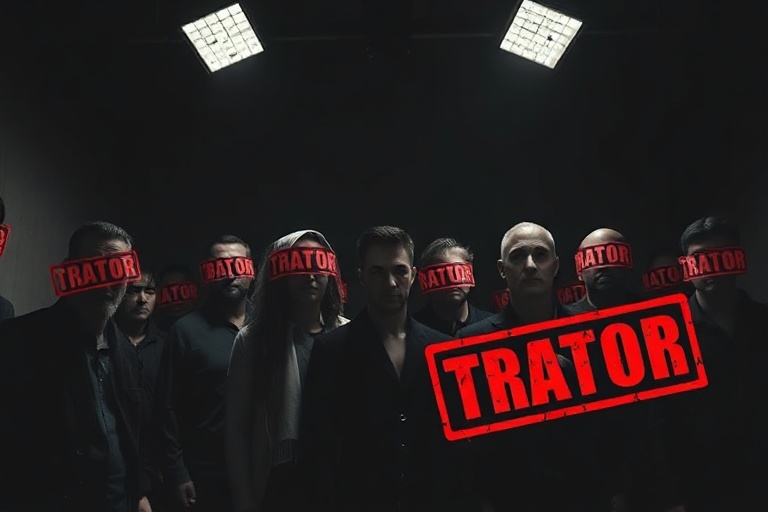
The term “celebrity traitor” isn’t just about legal betrayals like fraud or theft. It often refers to public figures who betrayed fans’ trust through actions perceived as disloyal, hypocritical, or morally indefensible. These aren’t just career missteps—they’re moments that redefine how the public views an idol.
Often, the betrayal stems from a disconnect between a celebrity’s public persona and their private actions. For example, a musician who preaches unity while secretly engaging in abusive behavior creates a stark contrast that fans find impossible to reconcile. Similarly, an actor known for playing heroic roles who becomes embroiled in a scandal involving exploitation shatters the illusion of their on-screen integrity.
The outrage that follows isn’t just about the act itself but the violation of an unspoken contract between celebrity and audience. Fans invest emotionally in these figures, and when that trust is broken, the fallout can be swift and brutal.
Famous Cases That Made Headlines
The entertainment industry has seen its share of high-profile betrayals, each leaving a lasting mark on careers and reputations. Below are some of the most notable cases that defined the term “celebrity traitor.”
- Johnny Depp and Amber Heard: The defamation trial between the two became a cultural spectacle, exposing years of alleged abuse. Depp, once seen as Hollywood’s golden boy, faced severe backlash after recordings and messages surfaced, painting a different picture of their relationship. The trial not only tarnished his reputation but also sparked debates about the power dynamics in celebrity relationships.
- R. Kelly’s Sexual Abuse Scandal: For decades, R. Kelly was a beloved R&B artist, but investigative reports revealed a pattern of predatory behavior, including multiple allegations of sexual abuse and exploitation of underage girls. The public’s gradual awakening to his crimes led to his eventual conviction, making him a symbol of unchecked celebrity power.
- Armie Hammer’s Alleged Manipulative Behavior: The actor, known for his roles in Call Me by Your Name and The Social Network, faced multiple accusations of emotional manipulation and predatory behavior from former partners. The revelations led to his public downfall, with projects being recast and his career effectively ending overnight.
- James Franco’s Exploitation Allegations: The former Oscar nominee faced accusations from multiple women in the entertainment industry, including students from his film school, who alleged that he used his position of power to coerce them into inappropriate relationships. The scandal not only derailed his career but also reignited discussions about the exploitation of young artists in Hollywood.
These cases aren’t isolated incidents. They reflect a broader pattern where the industry’s obsession with fame and talent often overshadowed accountability—until the internet forced transparency.
The Broader Implications of Celebrity Betrayals
The fallout from these betrayals extends beyond individual careers. It challenges the very foundation of how society views celebrity culture, power dynamics, and accountability. When a public figure falls from grace, it doesn’t just affect their brand—it forces a reckoning with the systems that enabled their behavior in the first place.
One of the most significant impacts is the erosion of blind trust in celebrities. Fans no longer accept at face value the carefully curated images presented by publicists. Instead, they scrutinize actions, statements, and past behavior with a critical eye. This shift has led to a more cynical approach to celebrity culture, where admiration is conditional and trust must be earned repeatedly.
Another consequence is the rise of accountability movements. Social media has democratized outrage, allowing marginalized voices to be heard and forcing industries to confront uncomfortable truths. For example, the #MeToo movement gained momentum largely due to the exposure of systemic abuses by powerful figures in entertainment. While this has led to positive changes in some areas, it has also created a climate where accusations alone can derail careers, sometimes without due process.
The entertainment industry itself has had to adapt. Studios and production companies now conduct more thorough background checks and implement stricter codes of conduct. However, these measures are often reactive rather than proactive, leaving many wondering if true change is possible without a fundamental shift in how power is distributed in Hollywood.
Can Redemption Ever Be Achieved?
The question of whether celebrities can recover from betrayal is complex. Some have managed to rebuild their careers by addressing their past mistakes publicly and taking steps toward genuine change. Others, however, remain permanently tarnished, their legacies forever marred by their actions.
One example of partial redemption is Robert Downey Jr., who overcame addiction and legal troubles to become one of Hollywood’s most bankable stars. His journey involved public accountability, therapy, and a commitment to sobriety—elements that helped fans and the industry see him as more than just his past mistakes.
In contrast, figures like Harvey Weinstein and Bill Cosby have faced irreversible consequences. Their crimes were so severe and the evidence so overwhelming that public sympathy evaporated entirely. Even years after their legal battles, their names remain synonymous with exploitation and abuse.
The key difference often lies in the response. Celebrities who acknowledge their wrongdoing, take responsibility, and demonstrate tangible change are more likely to earn back some level of trust. Those who deny, deflect, or attempt to manipulate the narrative rarely find redemption. The public, though forgiving at times, is less likely to forget outright lies or attempts to gaslight their way out of accountability.
For the entertainment industry, the challenge moving forward will be balancing forgiveness with justice. Can a celebrity who has betrayed the public’s trust ever truly regain their former status? The answer may depend as much on the industry’s willingness to evolve as it does on the individual’s actions.
Explore more on celebrity culture and industry scandals in our Entertainment and Culture categories.