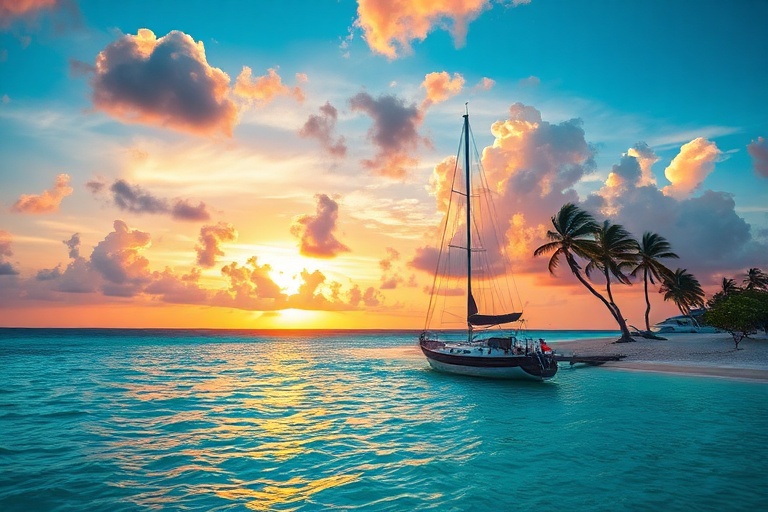
The Bahamas: A Caribbean Jewel with Global Allure
Few destinations blend natural splendor, cultural richness, and geopolitical significance as seamlessly as The Bahamas. This archipelago of over 700 islands stretches across 100,000 square miles of turquoise waters in the Atlantic Ocean, just southeast of Florida. While often celebrated for its pristine beaches and luxury resorts, The Bahamas offers far more than postcard-perfect scenery. Its history, economy, and strategic position make it a microcosm of broader Caribbean and global dynamics.
A Tapestry of History and Independence
The islands were originally inhabited by the Lucayan people, a branch of the Arawak-speaking Taíno, who arrived around 500 CE. Christopher Columbus made his first landfall in the Americas on the island of San Salvador in 1492, marking the beginning of European colonial influence. The Spanish initially claimed the islands but largely abandoned them due to limited resources, paving the way for British settlement in the 17th century.
For nearly 300 years, The Bahamas operated as a British colony, its economy deeply tied to piracy, plantation agriculture, and later, tourism. The islands became a haven for privateers like Blackbeard before transitioning into a hub for cotton and sugar production. Slavery shaped the demographic and cultural landscape until emancipation in 1834. Full independence arrived in 1973, yet The Bahamas retained its membership in the Commonwealth and maintained strong ties with the United Kingdom and the United States.
This layered history is visible today in the islands’ architecture, cuisine, and festivals. From the colonial pastel hues of Nassau to the Junkanoo parades that celebrate African heritage, The Bahamas embodies a fusion of influences—African, European, and indigenous—that resonates across the Caribbean.
Economic Pillars: Tourism, Finance, and Resilience
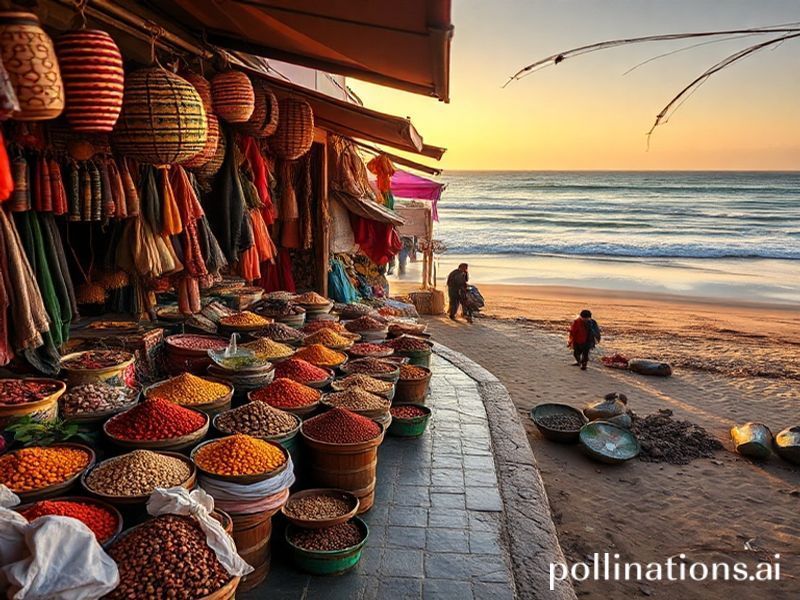
The Bahamian economy is a carefully balanced ecosystem. Tourism dominates, contributing nearly 50% of GDP and employing over half the workforce. The sector thrives on the allure of places like the Exumas, where swimming pigs and crystal-clear waters draw international visitors. Cruise ships, particularly those docking in Nassau, inject billions annually into local businesses, from straw markets to luxury marinas.
Yet tourism’s dominance comes with vulnerabilities. Hurricanes, global recessions, and pandemics can devastate the industry overnight. The COVID-19 pandemic, for instance, caused a 25% contraction in GDP in 2020. Recovery has been uneven, with smaller family-run resorts struggling more than large international chains. The government has responded by diversifying into financial services, which now accounts for roughly 15% of GDP.
The Bahamas is home to one of the world’s leading offshore financial centers, specializing in banking, investment funds, and trusts. Its regulatory framework, anchored by the Securities Commission of The Bahamas, has earned international recognition for transparency. This sector attracts high-net-worth individuals and multinational corporations, though it faces scrutiny from global tax transparency initiatives like the OECD’s Common Reporting Standard.
Fishing and agriculture remain vital for local communities. Spiny lobster, conch, and grouper are staples of Bahamian cuisine, while small-scale farming supplies markets with fruits and vegetables. These industries, though modest in scale, sustain rural economies and preserve traditional livelihoods.
Environmental Stewardship in a Climate-Vulnerable Nation
No discussion of The Bahamas is complete without acknowledging its ecological fragility. The islands are among the most climate-vulnerable nations on Earth, facing rising sea levels, intensifying hurricanes, and coral bleaching. The government has positioned itself as a leader in regional climate action, committing to a 30% reduction in carbon emissions by 2030 and pledging to protect 20% of its marine environment by 2025.
Initiatives like the Bahamas Reef Environment Foundation (BREEF) and the Perry Institute for Marine Science work to restore coral reefs, monitor marine biodiversity, and educate youth on conservation. The country also plays a key role in regional alliances such as the Caribbean Community (CARICOM) and the Alliance of Small Island States (AOSIS), advocating for climate justice on the global stage.
Tourism operators are increasingly adopting sustainable practices. Luxury resorts in the Exumas and Harbour Island now integrate solar power, desalination plants, and zero-waste policies. Even cruise lines are experimenting with shore power and biodegradable materials to reduce their footprint.
Yet challenges persist. Illegal fishing, plastic pollution, and coastal development threaten fragile ecosystems. The Bahamas’ dependence on imported goods—particularly food and fuel—also increases its carbon footprint. Balancing economic growth with environmental protection remains the central paradox of modern Bahamian governance.
Culture, Sports, and the Global Bahamian Diaspora
Bahamian culture is a vibrant fusion of African rhythms, British traditions, and indigenous influences. Music is at its heart. Rake-and-scrape, a folk genre using a saw, goatskin drum, and accordion, originated on the island of Cat Island and is now a national symbol. Junkanoo, a street parade featuring colorful costumes, cowbells, and goat skin drums, is celebrated twice a year—once on Boxing Day and again on New Year’s Day. UNESCO recognized Junkanoo as an Intangible Cultural Heritage in 2023, underscoring its global significance.
Sports also serve as a cultural bridge. Track and field has produced legends like sprinter Debbie Ferguson-McKenzie, a two-time Olympic gold medalist, and Shaunae Miller-Uibo, the 400-meter Olympic champion. The Bahamas has also made its mark in sailing, with the annual Bahamas Sailing Week attracting international competitors. Meanwhile, cricket—introduced during British rule—remains popular, especially in family gatherings and community tournaments.
The Bahamian diaspora, particularly in the United States and Canada, plays a crucial role in shaping the nation’s identity and economy. Over 300,000 Bahamians live abroad, many in Miami, New York, and Toronto. Remittances from the diaspora account for nearly 5% of GDP, supporting families and small businesses back home. Cultural exchanges thrive through festivals like Bahamas Carnival, modeled after Caribbean Carnival traditions but infused with local flavors and contemporary music.
The global Bahamian community also contributes to international diplomacy. Bahamians of note include Sidney Poitier, the first Black actor to win an Academy Award, and Sean Paul, the Grammy-winning dancehall artist whose music has topped charts worldwide. These figures amplify The Bahamas’ cultural voice on the global stage, reinforcing its reputation as a creative and resilient nation.
Conclusion: More Than a Paradise
The Bahamas is often reduced to a vacation destination, a place of rum cocktails and Instagram-worthy sunsets. But beneath the surface lies a nation of remarkable complexity. It is a leader in financial innovation, a guardian of marine ecosystems, a melting pot of cultures, and a voice for climate-vulnerable states. Its challenges—climate change, economic inequality, and geopolitical pressures—mirror those faced by small island nations worldwide.
As The Bahamas navigates the 21st century, it does so with a blend of tradition and adaptability. Its people, from fishermen in the Out Islands to bankers in Nassau, continue to shape a future that honors the past while embracing change. Whether through music, sports, or environmental advocacy, The Bahamas asserts its place—not just in the Caribbean, but in the world.
The islands remind us that paradise is not an escape, but a responsibility. And in an era of global uncertainty, The Bahamas offers a lesson in resilience, creativity, and hope.