Desi Bling: How South Asian Glamour is Taking Over Global Style
“`html
Desi Bling: How South Asian Glamour is Taking Over Global Style
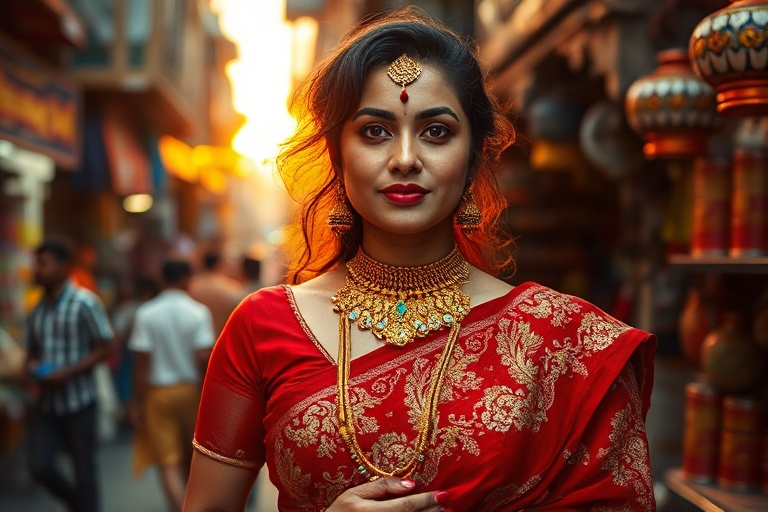
From the runways of Paris to the streets of New York, a new wave of opulence is emerging—and it’s distinctly desi. Desi bling, a term that once referred to the ornate jewelry and embellishments of South Asian attire, has evolved into a full-fledged cultural movement. This isn’t just about gold bangles or jhumkas anymore; it’s a celebration of craftsmanship, color, and confidence that’s reshaping global fashion.
What began as a niche aesthetic within diaspora communities has now infiltrated mainstream design. Brands like Sabyasachi, Anita Dongre, and Manish Malhotra are no longer confined to the subcontinent’s borders. Their creations are spotted on celebrities at the Met Gala, featured in high-street collaborations, and even reimagined by fast-fashion giants. The result? A democratization of desi glamour that’s as accessible as it is aspirational.
The Roots of Desi Bling: Tradition Meets Modernity
Desi bling traces its origins to centuries-old traditions of South Asian adornment. Gold jewelry, often passed down through generations, was never merely decorative—it was a symbol of status, heritage, and protection. Pieces like the maang tikka, nath (nose ring), and haar (necklace) were meticulously crafted, with techniques like kundan and meenakari adding layers of artistry.
Today, designers are reinterpreting these classics for contemporary audiences. Take, for example, the rise of minimalist desi jewelry. Brands like Vrajbhumi and Zariin offer delicate gold pieces that pair seamlessly with Western outfits. Meanwhile, maximalist trends—think chunky jhumkas and stacked kadas—are dominating festival seasons and red carpets alike.
This fusion of old and new reflects a broader shift in how desi aesthetics are perceived. No longer confined to ceremonial wear, these elements are now a staple in everyday fashion. The key drivers behind this evolution include:
- Social media influence: Platforms like Instagram and TikTok have allowed designers to showcase their work to a global audience, breaking down geographical barriers.
- Celebrity adoption: Stars like Priyanka Chopra, Deepika Padukone, and Mindy Kaling have worn desi bling on international stages, normalizing its presence in mainstream fashion.
- Sustainability trends: The handcrafted nature of desi jewelry aligns with the growing consumer demand for ethically made, slow-fashion pieces.
- Cultural pride: Younger generations of South Asians are embracing their heritage with pride, using fashion as a form of self-expression and identity.
The Global Domino Effect: How Desi Bling is Redefining Luxury
The impact of desi bling extends far beyond personal adornment. It’s reshaping the luxury market, challenging conventional notions of what constitutes high-end fashion. Luxury houses like Chanel and Gucci have incorporated desi-inspired elements into their collections, from embroidered motifs to bold color palettes. Even the humble lehenga has been reimagined as a red-carpet gown, worn by the likes of Lady Gaga and Lizzo.
This cross-pollination of styles isn’t one-sided. Western designers are increasingly drawing from South Asian techniques, while desi creators are experimenting with non-traditional materials. For instance, Labdhi Vora, founder of the eponymous label, blends Indian craftsmanship with contemporary silhouettes, using everything from deconstructed denim to upcycled fabrics.
The implications are significant. For one, it’s creating new opportunities for artisans. The global demand for desi bling has breathed life into traditional crafts like zardozi embroidery and bandhani dyeing, providing livelihoods to rural communities. However, it also raises questions about cultural appropriation versus appreciation. How can brands ensure they’re honoring the origins of these designs rather than exploiting them?
To navigate this complexity, some designers are taking a collaborative approach. Rahul Mishra, known for his intricate embroidery, often works directly with local artisans, ensuring fair wages and credit. Others, like Anita Dongre, have launched initiatives to preserve dying crafts, such as her Grassroot movement, which empowers rural women through sustainable fashion.
Desi Bling Beyond Jewelry: A Full-Throttle Aesthetic
While jewelry remains the cornerstone of desi bling, the trend has expanded into every facet of fashion—and beyond. Clothing, accessories, and even beauty are getting the desi treatment. Here’s how:
- Embellished fabrics: From lehengas to sarees, fabrics like silk, velvet, and chiffon are adorned with sequins, beads, and mirror work. Designers like Sabyasachi are pushing boundaries with their use of unconventional materials, such as hand-painted saris and feather-embellished kurtas.
- Statement accessories: Belts, bags, and shoes are now getting the bling treatment. Think embellished juttis (traditional shoes), beaded clutches, and even blinged-out sunglasses.
- Hair and beauty: Hair accessories like jhoomar (a side hair ornament) and braided hair cuffs are trending. Makeup looks inspired by South Asian bridal aesthetics—glittering eyeshadows, bold liner, and bindi-inspired forehead art—are also gaining traction.
- Home decor: The opulence of desi bling has spilled into interior design. Think mirrored furniture, embroidered cushions, and gold-accented tableware, all drawing from Mughal and Rajasthani motifs.
- Men’s fashion: Once overlooked, desi bling is now a staple in men’s fashion too. From embroidered sherwanis to beaded turbans, South Asian men are embracing bold, ornate styles. Western brands are taking note, with designers like Rahul Khanna collaborating with luxury labels to create gender-neutral bling pieces.
This expansion reflects a broader cultural shift. Desi bling is no longer a seasonal trend; it’s a lifestyle. It’s about embracing excess, celebrating individuality, and rejecting the idea that elegance must be understated. In a world where minimalism has long dominated, desi bling offers a vibrant alternative.
The Future of Desi Bling: What’s Next?
As desi bling continues to gain momentum, its future looks as dazzling as the trend itself. Here are a few potential directions it could take:
- Tech-infused bling: Imagine jewelry embedded with smart technology—think LED-embedded bangles or earrings that double as fitness trackers. Brands like Ringly are already experimenting with this, though desi designers could take it further with culturally specific designs.
- Gender-fluid bling: The lines between men’s and women’s fashion are blurring, and desi bling is leading the charge. Expect to see more unisex pieces, from stackable rings to shared embellishment styles.
- Sustainable bling: As consumers prioritize eco-conscious fashion, desi designers are turning to recycled metals, vegan leather, and upcycled fabrics. The challenge will be balancing sustainability with the opulence that defines desi bling.
- Virtual bling: With the rise of the metaverse, digital fashion is booming. Desi designers are already creating NFT jewelry and virtual lehengas for avatars. Could this be the next frontier for desi bling?
The most exciting aspect of desi bling’s evolution is its ability to adapt. It’s not a monolith; it’s a living, breathing trend that evolves with each generation. For South Asians, it’s a source of pride and connection to heritage. For the global fashion industry, it’s a reminder that luxury isn’t one-size-fits-all—and that’s a good thing.
As we look ahead, one thing is clear: desi bling is here to stay. Whether you’re a fan of subtle gold accents or full-on maximalist statements, there’s a place for it in your wardrobe. The key is to wear it with intention, respecting the craftsmanship and culture behind it. After all, true bling isn’t just about looking rich—it’s about feeling rich in heritage, creativity, and confidence.
For those looking to dive deeper into the world of desi fashion, explore our Entertainment and Culture sections, where we cover the latest trends, designer spotlights, and cultural movements shaping the industry.