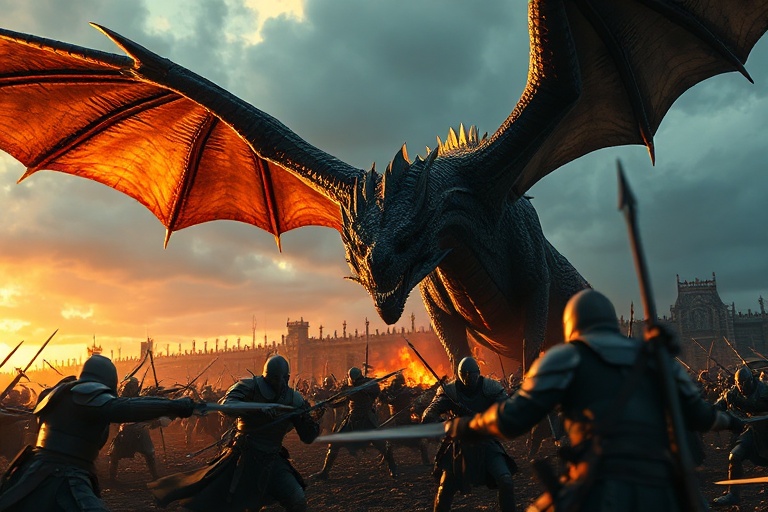
Dragons vs Warriors: Myth, History, and Modern Meaning
“`html
Dragons and Warriors: A Global Clash Across Myth and History
The mythic rivalry between dragons and warriors has echoed through legends, literature, and art for millennia. These two archetypes—one embodying raw, untamed power and the other representing human courage and strategy—have shaped cultural narratives from ancient Mesopotamia to medieval Europe and beyond. Their opposition is more than a storytelling device; it reflects humanity’s eternal struggle with forces beyond its control.
Dragons often symbolize chaos, destruction, or the unknown. Warriors, by contrast, stand for order, discipline, and the triumph of civilization. This dynamic appears across diverse cultures, each reinterpreting the conflict to reflect local values and fears. Whether in Chinese folklore, Norse sagas, or Mesoamerican myths, the dragon-warrior duality persists as a powerful metaphor for the human condition.
The Dragon in Ancient Civilizations: From Guardian to Destroyer
In early Mesopotamian culture, the dragon-like serpent Tiamat represented primordial chaos in the Enuma Elish, a Babylonian creation myth. She was defeated by the storm god Marduk, a warrior figure who restored cosmic order. This narrative set a precedent: the dragon as a force of disorder, and the warrior as its vanquisher.
In China, however, dragons evolved into benevolent symbols. The long (龙) was associated with water, rain, and imperial authority. Emperors wore dragon robes, and scholars revered them as bringers of prosperity. Yet even here, warriors played a role—emperors and generals invoked dragon imagery to assert divine legitimacy and martial prowess.
By the time of the Han Dynasty (206 BCE–220 CE), dragon motifs adorned armor and weapons, blending protection with power. This duality—dragons as both protectors and threats—highlights how cultural context shapes myth.
European Legends: Saint George, Sigurd, and the Dragon’s Shadow
European dragon lore often casts the creature as an antagonist to be slain. The legend of Saint George and the Dragon, popularized in the 13th century, tells of a knight who rescues a princess from a monstrous dragon. The tale served as Christian allegory, with the dragon representing paganism or evil, and George embodying righteous valor.
Norse mythology presents a more ambiguous conflict. The dragon Níðhöggr gnaws at the roots of Yggdrasil, the World Tree, while the warrior Sigurd (Siegfried) slays the dragon Fafnir after gaining invincibility from its blood. Here, the dragon is both a symbol of greed and a source of power—its defeat brings knowledge, but at a cost.
The contrast between Eastern and Western dragon symbolism is striking. While Asian cultures often revere dragons, Western traditions frequently demonize them, reflecting differing cultural attitudes toward nature and the supernatural.
Warriors Across Cultures: From Samurai to Spartans
Warriors have been celebrated—or feared—as the enforcers of order in human societies. In Japan, the bushi (warrior class) evolved into the disciplined samurai, who followed the code of bushido. While samurai were not mythic dragon-slayers, their stories often involved confronting supernatural foes, including yōkai and dragons.
In ancient Greece, warriors like Achilles embodied both heroism and tragic flaw. The Iliad portrays Achilles’ rage and mortality, themes that resonate in dragon-slaying tales. His confrontation with Hector, a warrior of equal standing, underscores the personal and communal stakes of battle.
Even in sports, warrior symbolism endures. Combat sports such as mixed martial arts and wrestling borrow from mythic archetypes, casting athletes as modern gladiators facing their own “dragons”—opponents, injuries, and mental barriers.
Modern Retellings: From Tolkien to “Game of Thrones”
Contemporary fantasy literature and media have reimagined the dragon-warrior dynamic in new ways. J.R.R. Tolkien’s The Hobbit features Smaug, a dragon whose greed and cunning mirror human corruption. The dwarves, led by Bilbo Baggins, embody resilience and cleverness in overcoming him.
George R.R. Martin’s A Song of Ice and Fire and its Game of Thrones adaptation take a more nuanced approach. Daenerys Targaryen, a warrior-queen, rises to power by harnessing dragonfire, while Jon Snow and other warriors confront literal dragons in battle. Here, the line between dragon and warrior blurs—both are forces of change, for better or worse.
These modern stories reflect contemporary anxieties: climate change, political upheaval, and the ethical use of power. Dragons become metaphors for technology, nature, or even societal collapse, while warriors represent agency—or its limits—in the face of overwhelming forces.
The Psychological Underpinnings: Why the Myth Endures
The dragon-warrior myth resonates psychologically because it externalizes inner struggles. Dragons can symbolize repressed fears, desires, or societal ills, while warriors represent the ego’s drive to conquer or control them. This archetype appears in psychotherapy, where “slaying the dragon” signifies overcoming personal challenges.
Anthropologists suggest that the myth also reflects early human experiences with predators and natural disasters. The dragon embodies the unpredictability of life, while the warrior embodies the human need to impose order. This tension is universal, transcending cultural boundaries.
Dragons in Art and Ritual
From cave paintings to contemporary cinema, dragons have been depicted in countless forms. In Tibetan Buddhism, the druk (thunder dragon) symbolizes the country itself, while in European heraldry, dragons adorn coats of arms as emblems of strength and vigilance.
Warrior cultures often incorporated dragon imagery into their art and rituals. Viking ship prows featured dragon heads, intended to intimidate enemies and honor the gods. Similarly, Japanese samurai armor included dragon motifs for protection and prestige.
The persistence of dragon symbolism in modern art—from tattoos to video games—proves its adaptability. It evolves with each retelling, reflecting contemporary values while retaining its ancient roots.
A Global Perspective: Variations on a Theme
While Western and Eastern traditions differ, other cultures offer unique twists on the dragon-warrior narrative:
- Mesoamerica: The Aztec god Quetzalcoatl is both a feathered serpent (a dragon-like figure) and a cultural hero who brings knowledge to humanity.
- Africa: In some West African traditions, dragons or serpentine creatures are associated with water spirits, often requiring negotiation rather than combat.
- Polynesia: The mo‘o, giant lizard-like creatures, appear in Hawaiian and Maori myths as both destructive forces and guardians of sacred places.
These variations highlight how the dragon-warrior myth adapts to local ecosystems, spiritual beliefs, and historical experiences.
Conclusion: The Eternal Struggle
The conflict between dragons and warriors is more than a fairy tale—it is a reflection of humanity’s relationship with power, nature, and itself. Whether the dragon is a force of chaos or wisdom, and whether the warrior is a hero or a tyrant, the dynamic endures because it speaks to universal truths.
In an age of climate crises and technological upheaval, the myth feels more relevant than ever. Who—or what—are our dragons today? And who will rise as the warriors to face them?
One thing is certain: as long as stories are told, the battle will continue.