Martone Flyers: A Global Tradition Meets Modern Street Culture
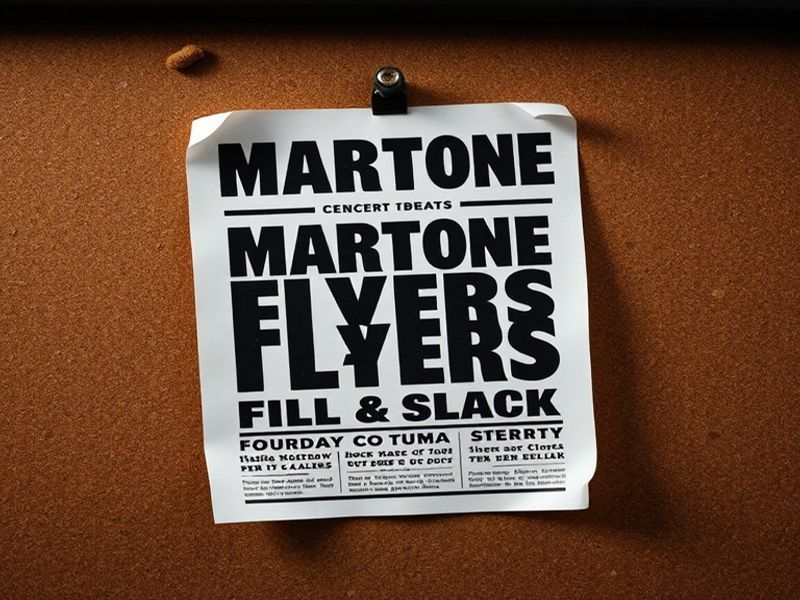
Martone flyers represent more than just paper advertisements; they are a tactile, handcrafted art form that has thrived across continents. Originating in Italy, these flyers have evolved into a global phenomenon, blending traditional techniques with contemporary street culture. Their hand-painted aesthetic and bold typography make them instantly recognizable, whether plastered on urban walls or shared in digital spaces.
Unlike mass-produced flyers, Martone flyers carry the unmistakable mark of human craftsmanship. Each piece reflects the individuality of its creator, often incorporating vibrant colors, intricate designs, and even handwritten elements. This authenticity has made them a staple in niche communities, from underground music scenes to local artisan markets. Their appeal lies in their imperfections—a far cry from the sterile precision of digital advertising.
The Origins and Evolution of Martone Flyers
The term “Martone” traces back to the small town of Martone in southern Italy, where itinerant painters once created hand-painted signs for local businesses. These early flyers were functional yet artistic, serving as both advertisements and community announcements. Over time, the style spread across Italy and beyond, adapting to local tastes and cultural influences.
By the mid-20th century, Martone flyers had gained traction in major Italian cities like Naples and Rome. Their bold, eye-catching designs made them ideal for promoting everything from live concerts to political rallies. The flyers became a symbol of grassroots communication, often created in response to immediate needs rather than pre-planned campaigns.
Martone Flyers in Urban Landscapes Around the World
Today, Martone flyers can be found in cities from Berlin to Buenos Aires, where they serve as a bridge between tradition and modernity. In Berlin’s Kreuzberg district, for example, artists reimagine the Martone style with anarchic, DIY aesthetics, blending punk influences with vintage Italian typography. Meanwhile, in Tokyo’s Harajuku neighborhood, designers incorporate Martone elements into minimalist, high-contrast designs that reflect Japan’s avant-garde street culture.
A key factor in their global spread is the rise of social media. Platforms like Instagram and Pinterest have allowed Martone flyers to transcend physical boundaries, with artists and collectors sharing their work online. Hashtags like #MartoneArt and #HandPaintedFlyers have created virtual galleries, connecting creators from disparate backgrounds under a shared aesthetic.
The Cultural Significance of Martone Flyers
Martone flyers are more than just advertisements—they are a form of cultural expression. In many communities, they serve as a visual record of local events, social movements, and artistic trends. For instance, during the 1970s Italian protest movements, Martone-style flyers became a tool for political dissent, their bold designs amplifying calls for change.
Their handcrafted nature also aligns with the growing demand for sustainability in design. Unlike disposable digital ads, Martone flyers are often repurposed or preserved as collectibles. This longevity adds to their cultural value, making them prized items in both personal collections and museum archives.
How to Identify Authentic Martone Flyers
Identifying an authentic Martone flyer requires an eye for detail. Look for these key characteristics:
- Hand-painted elements: Brushstrokes, uneven lines, and slight variations in color.
- Bold typography: Oversized, decorative fonts often with shadows or outlines.
- Vibrant colors: High-contrast palettes that stand out against urban backdrops.
- Local themes: References to regional events, slang, or cultural symbols.
While reproductions exist, true Martone flyers carry the imperfections of human creation. Collectors often seek out flyers from specific eras or regions, valuing them as both art and historical artifacts.
The Future of Martone Flyers in a Digital World
As digital advertising dominates, Martone flyers face a unique challenge: how to remain relevant in an increasingly virtual landscape. Yet, their resurgence in street art and DIY communities suggests a counter-movement toward tangible, handmade experiences. Brands and artists are experimenting with hybrid approaches, such as pairing digital campaigns with limited-edition Martone-style prints.
For younger generations, Martone flyers offer a tactile escape from screen fatigue. Their organic textures and human touch provide a refreshing contrast to the polished uniformity of algorithm-driven content. Whether used for promotions, protests, or personal expression, Martone flyers continue to evolve, proving that some traditions are timeless.
Conclusion: Why Martone Flyers Endure
Martone flyers are a testament to the power of handcrafted art in a mass-produced world. Their global journey—from Italian villages to international urban centers—highlights their adaptability and enduring appeal. More than just advertisements, they are visual stories, cultural artifacts, and symbols of grassroots creativity.
As long as there are artists and communities seeking to make their voices heard, Martone flyers will remain a vital part of the cultural landscape. Their legacy is not just in the designs they leave behind, but in the spirit of individuality they inspire.
© 2024 Dave’s Locker. All rights reserved.