Nestled along the southeast coast of England, Folkestone has quietly transformed from a traditional seaside town into a vibrant hub for contemporary art, culture, and innovation. While its pebble beaches and historic harbor remain iconic, the town’s recent evolution tells a more complex story—one of reinvention and resilience. With a mix of established institutions and grassroots initiatives, Folkestone has become a compelling case study in how smaller urban centers can redefine themselves in an era dominated by megacities.
The town’s transformation didn’t happen overnight. It began with a deliberate shift toward arts and culture, catalyzed by initiatives like the Folkestone Triennial, an international contemporary art festival that has drawn global attention since its inception in 2008. This event, curated by leading figures in the art world, has turned the town into an open-air gallery, where monumental sculptures and installations blend seamlessly with the urban landscape. Artists like Tracey Emin, who hails from the nearby town of Margate, have left their mark here, further cementing Folkestone’s place on the cultural map.
The Rise of Folkestone as an Arts Destination
Folkestone’s artistic renaissance is more than just a series of high-profile events—it’s a movement. The town has strategically leveraged its unique assets to attract artists, creatives, and visitors alike. The Creative Quarter, a designated area in the town center, has become the epicenter of this transformation. Here, converted shopfronts and warehouses now house galleries, studios, and independent shops, creating a dynamic ecosystem that thrives on collaboration and experimentation.
One of the most notable additions to Folkestone’s cultural scene is the Folkestone Quarterhouse, a multi-purpose arts venue that hosts everything from live music and theater to film screenings and community workshops. Its presence underscores the town’s commitment to accessibility, ensuring that art isn’t just for the elite but for everyone. Meanwhile, the Folkestone Bookshop has become a literary landmark, drawing book lovers from across the region and hosting events with acclaimed authors.
This artistic momentum has had tangible economic benefits. Local businesses, from cafes to boutique hotels, have flourished as a direct result of increased foot traffic. The town’s tourism industry has expanded, with visitors drawn not only to the traditional attractions but also to the ever-changing art installations and cultural experiences. This shift highlights a broader trend in the UK, where smaller towns are finding new life by embracing creativity as a driver of growth.
Key Factors Behind Folkestone’s Cultural Revival
- Strategic Investment: Local government and private stakeholders have poured resources into cultural projects, recognizing their potential to revitalize the town.
- Community Engagement: Grassroots initiatives and local artists have played a crucial role in shaping the town’s cultural identity, ensuring it reflects the values and aspirations of its residents.
- Collaboration with National Institutions: Partnerships with major arts organizations, such as the Turner Contemporary in Margate, have amplified Folkestone’s reach and credibility.
- Sustainability Focus: Many of the town’s cultural initiatives prioritize sustainability, from eco-friendly art installations to community-led conservation projects.
Beyond the Arts: Folkestone’s Broader Renaissance
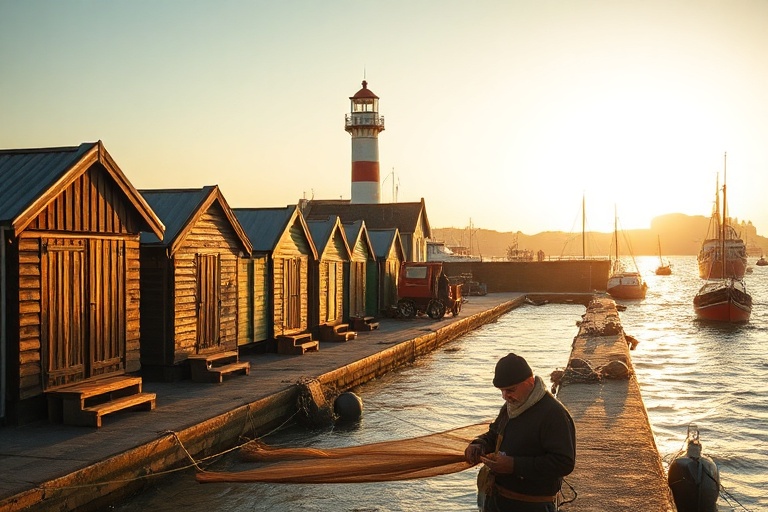
While Folkestone’s artistic achievements are impressive, the town’s revival extends far beyond its creative sector. The harbor, once a bustling port, has been reimagined as a leisure destination. The Folkestone Harbour Arm, a 1.2-mile promenade, now features a variety of eateries, bars, and event spaces, offering panoramic views of the English Channel. This transformation has turned the harbor into a social hub, where locals and visitors alike gather to enjoy the sea breeze and stunning sunsets.
Folkestone’s commitment to sustainability is another standout feature of its renaissance. The town has been at the forefront of coastal conservation efforts, with projects aimed at protecting its unique chalk cliffs and marine ecosystems. The Folkestone Warren, a designated Site of Special Scientific Interest, is a prime example of this dedication. Conservationists and volunteers work tirelessly to preserve the area’s biodiversity, ensuring that it remains a haven for wildlife and a source of natural beauty for generations to come.
The town’s educational institutions have also contributed to its resurgence. The University for the Creative Arts (UCA) has a campus in Folkestone, providing a steady stream of young talent and fostering innovation in design, media, and the arts. This influx of students has invigorated the local economy, creating a demand for student-friendly housing, cafes, and cultural events. The university’s presence underscores Folkestone’s growing reputation as a place where creativity and education intersect.
The Challenges and Criticisms of Folkestone’s Transformation
Despite its successes, Folkestone’s revival is not without its challenges. Gentrification remains a contentious issue, with rising property prices pushing out long-term residents who can no longer afford to live in the town. Some critics argue that the focus on arts and culture has created a divide between the town’s creative elite and its working-class communities. Balancing the needs of different demographics is an ongoing struggle, one that requires careful planning and community input.
Another concern is the sustainability of Folkestone’s cultural model. While the town’s arts scene has flourished, it remains heavily reliant on external funding and tourism. Economic downturns or shifts in government priorities could threaten the longevity of some initiatives. To address this, local leaders are exploring ways to diversify the town’s economy, including investments in tech startups and green industries. This approach could help ensure that Folkestone’s revival is not just a fleeting trend but a lasting transformation.
The town’s infrastructure also poses challenges. Public transportation links to larger cities like London and Dover are improving, but gaps remain. Improving connectivity is essential for Folkestone to fully realize its potential as a cultural and economic hub. Efforts are underway to enhance rail services and promote cycling routes, but progress has been slow. Addressing these infrastructure gaps will be critical to the town’s continued growth.
Why Folkestone Matters in the Broader Context
Folkestone’s story is more than just a tale of local revival—it’s a microcosm of broader societal shifts. In an era where urbanization often leads to the homogenization of cities, Folkestone demonstrates how smaller towns can carve out unique identities by embracing creativity and community. Its success offers valuable lessons for other coastal towns facing similar challenges, from economic decline to environmental pressures.
The town’s ability to balance tradition and innovation is particularly noteworthy. While it celebrates its rich history—from its role in the Napoleonic Wars to its days as a fashionable Victorian seaside resort—it also looks to the future. This duality is evident in projects like the Folkestone Optimistic Futures initiative, which encourages residents to envision and shape the town’s future through participatory design and storytelling.
Folkestone’s revival also highlights the power of arts and culture as tools for social change. By making art accessible and engaging, the town has fostered a sense of pride and belonging among its residents. This cultural shift has ripple effects, from improved mental health to stronger community bonds. In a world where isolation and division are increasingly prevalent, Folkestone’s model offers a blueprint for how creativity can bring people together.
For those looking to explore beyond the well-trodden tourist paths, Folkestone presents an opportunity to witness the quiet revolution happening in England’s smaller towns. It’s a place where the past and future coexist, where art and nature intertwine, and where community spirit drives progress. Whether you’re an art enthusiast, a foodie, or simply someone seeking a fresh perspective, Folkestone is a destination worth discovering.
What to Do in Folkestone: A Quick Guide
- Explore the Creative Quarter: Wander through the eclectic mix of galleries, studios, and independent shops that define Folkestone’s artistic soul.
- Visit the Folkestone Triennial: Time your visit to coincide with this biennial art festival, which turns the town into a global stage for contemporary art.
- Stroll Along the Harbour Arm: Enjoy fresh seafood, craft beer, and stunning views at one of the many bars and restaurants lining the promenade.
- Hike the Folkestone Warren: Discover the town’s natural beauty on this scenic coastal walk, home to rare flora and fauna.
- Catch a Show at the Quarterhouse: Check out the venue’s diverse program, which includes everything from live music to theater and comedy.
Folkestone’s journey from a sleepy seaside town to a dynamic cultural hub is a testament to the power of vision and community. It’s a reminder that reinvention is possible, even in places that have long been overlooked. As the town continues to evolve, it offers a compelling example of how creativity, collaboration, and a deep connection to place can drive meaningful change.
For more on cultural trends shaping towns like Folkestone, visit our Culture category. To explore other revitalized coastal destinations, check out our Travel section.