The goaltender occupies a unique space in team sports, balancing pressure, precision, and psychological resilience unlike any other position. Whether in hockey, soccer, or water polo, the player tasked with protecting the net faces a barrage of high-stakes decisions with every play. Their role demands not only physical agility and reflexes but also tactical intelligence and emotional control. The evolution of the goaltender’s position reflects broader changes in sports science, technology, and coaching philosophy.
Modern goaltending has transformed from a reactive duty into a proactive one. Gone are the days when simply blocking shots was enough. Today’s elite netminders analyze angles, anticipate plays, and dictate the flow of the game. This shift has elevated the position to one of the most specialized and scrutinized roles in competitive sports.
The Evolution of Goaltending: From Last Line to Leader
The goaltender’s role has undergone significant transformation over the past century. In the early days of organized hockey, for example, goaltenders often stood upright with minimal gear, relying more on instinct than technique. The introduction of the “stand-up” style in the 1920s and 1930s marked a turning point, emphasizing positional play and shot blocking. However, it wasn’t until the 1960s and 1970s that goaltending began to evolve into a more dynamic and athletic discipline.
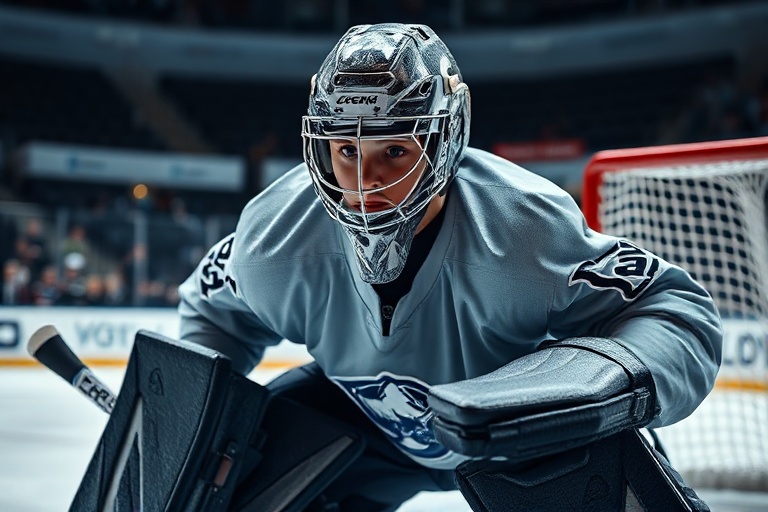
The butterfly style, popularized by goaltenders like Tony Esposito and later refined by Patrick Roy, revolutionized the position. By dropping to the ice and sealing the lower half of the net, goaltenders could cover more area with fewer movements. This innovation not only improved save percentages but also forced shooters to adapt their strategies. Today, the butterfly remains the foundation of most goaltending techniques, though hybrid styles—combining elements of stand-up and butterfly—are gaining traction.
Technology has played a crucial role in this evolution. High-speed cameras, motion-tracking software, and advanced analytics now allow coaches and goaltenders to dissect every save and rebound. Training regimens have shifted from generic drills to position-specific exercises that simulate game situations. As a result, the modern goaltender is not just a shot-stopper but a strategic asset.
The Mental Game: Pressure and Performance Under Fire
Few positions in sports are as mentally taxing as goaltending. A single mistake can change the outcome of a game, making the position one of the most psychologically demanding. Goaltenders must maintain focus for extended periods, often facing long stretches of inactivity followed by rapid-fire shots. This mental rollercoaster requires resilience and the ability to compartmentalize mistakes.
Sports psychologists now work closely with goaltenders to develop mental toughness. Techniques such as visualization, breathing exercises, and mindfulness are integrated into training routines. The goal is to cultivate a mindset that thrives under pressure rather than crumbles. Elite goaltenders often cite mental preparation as the key to their success, emphasizing the importance of routines and rituals to stay composed.
For younger goaltenders, the mental aspect can be the most challenging hurdle. The fear of failure looms large, particularly in high-stakes situations like shootouts or playoff games. Coaches emphasize the importance of treating each save as a new opportunity rather than dwelling on past mistakes. Building confidence through repetition and positive reinforcement is critical to long-term development.
Training the Modern Goaltender: Science Meets Skill
Goaltending training has evolved into a highly specialized field, blending athleticism, biomechanics, and sports science. Traditional drills, while still valuable, are now complemented by data-driven approaches that optimize performance. Goaltenders work with strength and conditioning coaches to enhance explosive power, flexibility, and endurance—traits essential for quick lateral movements and deep dives.
Video analysis has become a cornerstone of goaltending development. By reviewing footage of their own performances and studying opponents, goaltenders can identify patterns and refine their techniques. Coaches use software to break down save mechanics, tracking everything from glove positioning to rebound control. This level of detail allows for targeted improvements that might otherwise go unnoticed.
Off-ice training has also become more sophisticated. Reaction ball drills, agility ladders, and plyometric exercises are now commonplace in goaltending regimens. These tools help develop the fast-twitch muscle fibers and reflexes needed to react to unpredictable shots. Additionally, goaltenders often incorporate yoga or Pilates to improve flexibility and core stability, reducing the risk of injury.
Nutrition and recovery are equally important. Goaltenders require a diet rich in lean proteins, complex carbohydrates, and healthy fats to fuel intense training sessions. Hydration and sleep are prioritized to ensure peak performance and reduce fatigue. Some goaltenders even work with sleep specialists to optimize rest, recognizing that recovery is as critical as training.
The Future of Goaltending: Innovation and Adaptation
The goaltending position continues to evolve, driven by advances in technology and shifts in gameplay. One of the most significant trends is the integration of virtual reality (VR) into training. VR systems allow goaltenders to simulate game scenarios in a controlled environment, improving reaction times and decision-making under pressure. This technology is particularly valuable for younger players who may not have access to elite training facilities.
Equipment innovations are also reshaping the position. Lighter, more flexible pads and gloves allow for greater mobility without sacrificing protection. Manufacturers are experimenting with materials that enhance durability and comfort, reducing the physical strain on goaltenders. Additionally, smart gear—equipped with sensors to track movement and impact—is being tested in professional leagues to provide real-time feedback.
Rule changes in sports like hockey have further influenced goaltending strategies. The introduction of tighter officiating on obstruction and the expansion of the trapezoid in the NHL have forced goaltenders to adapt their positioning and recovery techniques. These adjustments highlight the dynamic nature of the position, where success depends on staying ahead of the curve.
The rise of analytics has also impacted goaltending. Teams now use advanced metrics to evaluate performance beyond traditional save percentages. Metrics like goals saved above expected (GSAE) and high-danger save percentage provide a more nuanced understanding of a goaltender’s impact. This data-driven approach helps teams make informed decisions about goaltender selection and development.
Key Attributes of Elite Goaltenders
While physical skills are essential, the traits that separate elite goaltenders from the rest often lie in their intangibles. Here are some of the qualities that define the best in the business:
- Positional Awareness: The ability to read the play and anticipate shooter tendencies is critical. Elite goaltenders position themselves based on the puck’s location and the shooter’s body language, minimizing the need for acrobatic saves.
- Rebound Control: Controlling the puck after a save prevents second chances and transitions. Goaltenders with strong rebound control limit opponents’ opportunities and maintain defensive stability.
- Communication: Goaltenders are often the on-ice leaders, directing teammates and organizing the defense. Clear, concise communication ensures everyone is aligned and reduces defensive breakdowns.
- Adaptability: The best goaltenders adjust their style based on opponents, game situations, and even the score. Flexibility in technique and mindset allows them to thrive in any scenario.
- Resilience: Mistakes are inevitable, but elite goaltenders bounce back quickly. Mental toughness enables them to maintain focus and confidence, even after a costly error.
Goaltending Across Sports: Shared Challenges, Unique Solutions
While hockey is often the first sport that comes to mind when discussing goaltending, the position exists in various forms across multiple disciplines. Soccer, for example, presents a different set of challenges. Soccer goalkeepers must cover a wider net with fewer restrictions on movement, relying heavily on footwork and distribution skills. The emphasis on playing out from the back has transformed the role, requiring goalkeepers to be comfortable with the ball at their feet.
In lacrosse, goaltenders face a faster-paced game with unique equipment constraints. The crosse’s design limits the angle of shots, making positioning and quick reactions vital. Water polo goalkeepers, on the other hand, operate in a three-dimensional environment, requiring exceptional spatial awareness and endurance. Each sport demands a tailored approach, yet the core principles—anticipation, positioning, and mental toughness—remain constant.
Despite these differences, the goaltender’s role in any sport is fundamentally about one thing: preventing the opposition from scoring. The strategies may vary, but the pressure and responsibility are universal. Whether diving for a puck in a hockey net or stretching for a penalty kick in soccer, the goaltender is the last line of defense and often the difference between victory and defeat.
Conclusion: The Ever-Changing Role of the Goaltender
The goaltender’s position is in a constant state of evolution, shaped by technological advancements, rule changes, and the relentless pursuit of excellence. What was once a straightforward role has transformed into a multifaceted discipline that demands athleticism, intelligence, and mental fortitude. As sports continue to push the boundaries of performance, the goaltender remains at the forefront of innovation, adapting to meet new challenges.
For aspiring goaltenders, the path to success is paved with dedication and adaptability. Embracing the science of training, the art of positioning, and the psychology of pressure is essential. For fans, understanding the nuances of the position adds a deeper appreciation for the game. The goaltender, after all, is more than just a player—they are the guardian of the net, the final hope in the face of relentless attack.
As the sports world continues to evolve, so too will the role of the goaltender. One thing is certain: their importance will never fade. In every sport, in every era, the goaltender stands as a testament to the balance between skill and strategy, pressure and performance.
For those interested in exploring goaltending further, Dave’s Locker Sports offers a wealth of resources on training techniques, equipment reviews, and player profiles. Whether you’re a player, coach, or fan, there’s always more to learn about the art of goaltending.