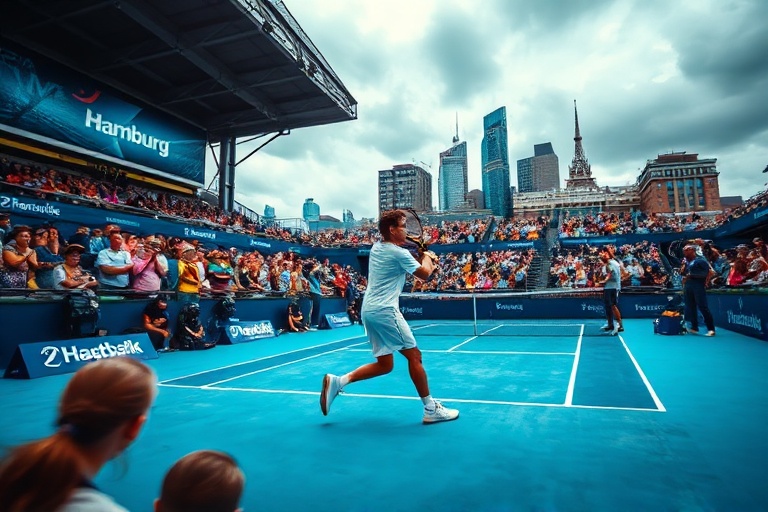
Hamburg Open: Europe’s Premier Tennis Tournament on Clay
“`html
Hamburg Open: Where Tennis Meets Urban Culture
The Hamburg Open, officially known as the Hamburg European Open, has long stood as a cornerstone in the world of tennis, blending athletic excellence with the vibrant cultural tapestry of Northern Germany. Since its inception in 1892, the tournament has evolved from a local gathering to a globally recognized event, attracting top-tier players and spectators alike. Its rich history and unique atmosphere make it a standout on the ATP Tour calendar.
A Brief History of the Hamburg Open
The Hamburg Open traces its origins to the late 19th century, making it one of the oldest tennis tournaments in the world. Initially organized as a club championship, it quickly gained prominence, becoming a fixture for elite players seeking to test their skills on clay courts. Over the decades, the tournament has undergone several transformations, including a brief hiatus during World War II and a revival in the post-war era.
By the 1970s, the Hamburg Open had firmly established itself as a major stop on the tennis circuit. It became particularly renowned for its challenging clay surface, which favored players with strong baseline games and tactical prowess. Legends like Björn Borg, Ivan Lendl, and later Roger Federer have left their mark on the tournament, adding to its storied legacy.
Key Moments in Tournament History
- 1982: The tournament moved to its current venue, the Am Rothenbaum stadium, which remains one of the most iconic tennis arenas in Europe.
- 2009: The Hamburg Open was downgraded from an ATP Masters Series event to an ATP 500 tournament, reflecting changes in the tour’s structure.
- 2020: The tournament was canceled due to the COVID-19 pandemic but returned in 2021 with enhanced safety protocols.
- 2023: The event celebrated its 130th anniversary, underscoring its endurance as a premier sporting spectacle.
The Unique Atmosphere of Hamburg Open
The Hamburg Open is more than just a tennis tournament; it is a cultural experience. The city of Hamburg, with its maritime heritage and cosmopolitan vibe, provides a fitting backdrop for the event. The tournament’s location near the Elbe River and its proximity to the city center make it easily accessible, drawing both locals and international visitors.
Unlike some of the larger, more commercialized tournaments, the Hamburg Open retains an intimate feel. The Am Rothenbaum stadium, with its capacity of around 13,000, creates an electric atmosphere where fans can get close to the action. The tournament’s organizers have also embraced the city’s love for music and nightlife, hosting concerts and cultural events alongside the tennis matches.
Fan Engagement and Cultural Integration
The Hamburg Open has mastered the art of blending sport with culture. Off-court activities are a significant draw, including:
- A vibrant fan zone featuring live music, food stalls, and interactive games.
- Evening concerts by renowned artists, transforming the venue into a nightlife hub after the day’s matches.
- Community initiatives, such as tennis clinics for local youth, fostering the next generation of players.
This integration of sport and culture is rare in professional tennis and has contributed to the Hamburg Open’s reputation as a must-visit event. Fans often describe the tournament as a festival, where the excitement of the matches is matched only by the energy of the surrounding city.
Tennis Excellence on Clay
The Hamburg Open’s clay courts are a defining feature of the tournament. Clay is often considered the most demanding surface in tennis, requiring players to exhibit patience, endurance, and tactical intelligence. The slow, high-bouncing nature of the clay at Am Rothenbaum rewards players who excel in long rallies and strategic play.
Historically, the Hamburg Open has been a proving ground for some of the sport’s greatest clay-court specialists. Players like Rafael Nadal, who dominated the surface in his prime, have thrived in Hamburg. The tournament’s unique conditions have also produced unexpected champions, such as Andrei Chesnokov in 1991, who defeated the then-world No. 1, Stefan Edberg.
Notable Champions and Rivalries
The Hamburg Open has been the stage for some of tennis’s most memorable moments. Some of the most iconic champions include:
- Roger Federer: The Swiss maestro won the tournament four times (2002, 2004, 2005, 2007) and often cited the Hamburg Open as a favorite due to its challenging conditions and passionate crowd.
- Rafael Nadal: The “King of Clay” claimed the title in 2008, defeating Roger Federer in a thrilling final that is still celebrated as one of the greatest matches in tennis history.
- Björn Borg: The Swede won the tournament three times in the 1970s, showcasing his dominance on the surface.
- Ivan Lendl: The Czech-American legend won the tournament in 1987, further cementing his status as one of the all-time greats.
These champions, along with many others, have contributed to the Hamburg Open’s legacy as a tournament that tests the mettle of even the most seasoned professionals.
The Global Impact of the Hamburg Open
While the Hamburg Open may not have the same global reach as tournaments like Wimbledon or the US Open, its influence extends far beyond the borders of Germany. The tournament serves as a vital stop for European players looking to gain momentum before the summer hard-court swing. It also provides an opportunity for up-and-coming talents to showcase their skills against the world’s best.
In recent years, the Hamburg Open has increasingly focused on sustainability and innovation. The tournament has implemented eco-friendly initiatives, such as reducing plastic waste and promoting public transportation for attendees. These efforts reflect a broader trend in sports toward environmental responsibility.
Looking Ahead: The Future of the Hamburg Open
The Hamburg Open continues to evolve, balancing tradition with innovation. Recent discussions have centered on expanding the tournament’s digital presence, including live streaming and interactive fan experiences. There is also interest in increasing the prize money to attract even more top-tier players.
For tennis enthusiasts, the Hamburg Open remains a highlight of the summer season. Its unique blend of athletic prowess, cultural vibrancy, and historical significance sets it apart from other tournaments. As the event moves forward, it is poised to remain a cherished fixture in the world of tennis.
For those interested in exploring more about tennis or other sports events, visit our Sports section on Dave’s Locker.
Conclusion
The Hamburg Open is more than just a tennis tournament; it is a celebration of sport, culture, and community. From its humble beginnings in the 19th century to its current status as a premier ATP 500 event, the tournament has consistently delivered excitement and intrigue. Its clay courts, passionate fans, and vibrant atmosphere make it a must-watch for tennis aficionados and casual spectators alike.
As the Hamburg Open continues to grow and adapt, it remains a testament to the enduring appeal of tennis. Whether you are a lifelong fan or a newcomer to the sport, the tournament offers an experience that is both thrilling and unforgettable.