Hawaii Earthquake Updates: Causes, Risks, and Safety Tips
“`html
Earthquake in Hawaii: What You Need to Know About Recent Tremors
The Pacific Ring of Fire has been active again. Hawaii, known for its volcanic landscapes and tropical beauty, has experienced a series of earthquakes in recent weeks. These tremors serve as a reminder of the geological forces at play beneath the islands. While most quakes are minor, their frequency has prompted both residents and scientists to pay closer attention.
The Science Behind Hawaii’s Earthquakes
Hawaii’s seismic activity is primarily driven by its volcanic origins. The islands sit atop the Pacific Plate, which moves over the Hawaiian hotspot—a plume of magma that creates the archipelago’s volcanoes. When magma shifts beneath the surface, it can trigger earthquakes. The USGS Hawaiian Volcano Observatory (HVO) monitors these events closely, categorizing them by magnitude and depth.
In late May, a magnitude 4.2 earthquake struck off the coast of the Big Island near Kīlauea. Though relatively small, it was felt across several communities. Just days later, a deeper but stronger 5.1-magnitude quake occurred beneath Mauna Loa, Hawaii’s largest volcano. These events are not isolated incidents but part of a long-term pattern of geological unrest.
Scientists emphasize that Hawaii experiences thousands of earthquakes annually. Most are too weak to be felt, but significant tremors can impact infrastructure, disrupt services, and even alter landscapes. The 2018 eruption of Kīlauea, for example, was preceded by a magnitude 6.9 quake—the strongest in Hawaii in over 40 years.
Key Factors in Hawaii’s Seismic Activity
- Magma Movement: Underground shifts in molten rock generate tremors as the ground adjusts.
- Fault Lines: Hawaii’s volcanoes create stress fractures in the Earth’s crust, leading to quakes.
- Subsidence: As lava flows cool and contract, the ground above can sink, causing seismic events.
- Tectonic Plate Interactions: The Pacific Plate’s movement over the hotspot contributes to long-term instability.
Recent Earthquake Activity: A Closer Look
Over the past month, Hawaii has seen a noticeable uptick in seismic events. The HVO recorded over 150 earthquakes in a single week near the summit of Kīlauea. While most registered below magnitude 3.0, their sheer number raised eyebrows. Seismologists suggest this could indicate increased volcanic activity, though an eruption is not guaranteed.
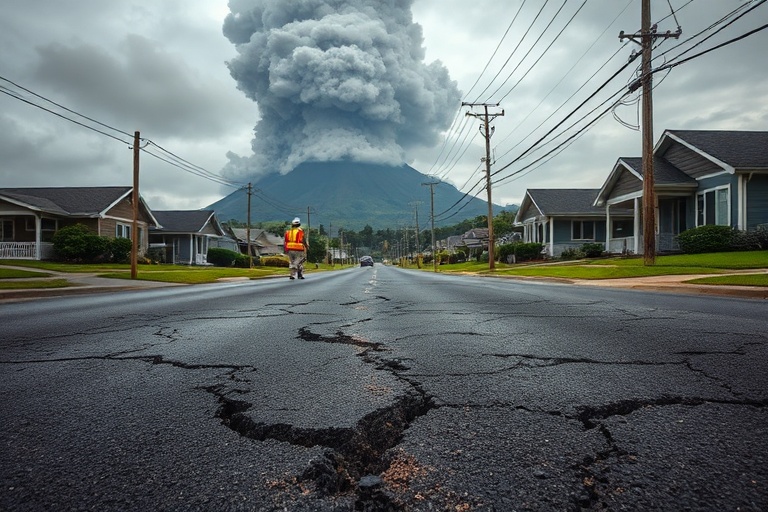
Residents in Volcano Village and surrounding areas reported feeling multiple tremors daily. Some described brief shaking followed by a deep, rumbling sound—a common experience when quakes originate deep underground. Emergency services have urged preparedness, noting that stronger quakes could damage older structures or trigger landslides.
The situation is fluid, with experts stressing the importance of monitoring updates from the HVO. Their real-time alerts provide critical information for both locals and visitors. For those planning trips to Hawaii, understanding seismic risks is now part of travel planning—especially in volcanic regions.
Broader Implications: Beyond the Shaking Ground
Hawaii’s earthquakes are more than geological footnotes. They influence tourism, infrastructure planning, and even insurance policies. The state’s economy relies heavily on visitors, and any perceived instability can deter travel plans. Airlines and hotels have contingency plans for natural disasters, but prolonged seismic activity could still impact bookings.
Infrastructure is another concern. Hawaii’s roads, bridges, and utilities are designed to withstand tremors, but older buildings—particularly in rural areas—may be vulnerable. The 2018 quakes damaged homes and roads in Puna, leaving some communities without power for weeks. A repeat scenario could strain recovery resources.
Environmentally, earthquakes can alter landscapes. The 2018 events created new fissures, redirected lava flows, and even expanded the Big Island’s coastline. Such changes reshape ecosystems and affect native species, from fragile lava tube-dwelling insects to coastal habitats.
For scientists, these quakes offer valuable data. Each tremor provides clues about magma chambers, fault lines, and the mechanics of volcanic systems. The HVO’s ongoing research helps refine eruption forecasts, potentially saving lives in the future.
What Should Residents and Visitors Do?
Preparedness is key. The Hawaii Emergency Management Agency recommends having an emergency kit with water, non-perishable food, flashlights, and a first-aid supplies. Families should also establish a communication plan in case of disrupted services.
Visitors should familiarize themselves with local resources. The Science section on Dave’s Locker offers insights into natural phenomena, including volcanoes and earthquakes. Additionally, the Travel category provides safety tips for those exploring Hawaii’s volcanic regions.
If you feel a strong quake, drop, cover, and hold on until shaking stops. Avoid doorways and windows, and be cautious of aftershocks. Stay informed through official channels like the USGS and local news outlets.
Quick Preparedness Checklist
- Identify safe spots in your home or hotel (e.g., under sturdy furniture).
- Keep a battery-powered radio to receive emergency updates.
- Secure heavy items like bookshelves and mirrors to walls.
- Know the location of nearby shelters and evacuation routes.
- Download the Hawaii SAFE app for real-time alerts.
Looking Ahead: Hawaii’s Geological Future
Hawaii’s earthquakes are a reminder of the islands’ dynamic nature. While they pose challenges, they also highlight the importance of scientific research and community resilience. As the Pacific Plate continues its slow march northwest, more tremors are inevitable. The question is not if another significant quake will occur, but when—and how prepared Hawaii will be.
The HVO’s work offers hope. By studying these events, scientists can improve early warning systems and hazard assessments. Meanwhile, locals and visitors alike can take steps to mitigate risks. Whether it’s reinforcing a home, packing an emergency kit, or simply staying informed, preparedness makes a difference.
For now, the ground beneath Hawaii’s paradise continues to shift. But with vigilance and science on their side, the people of Hawaii are better equipped than ever to face what comes next.