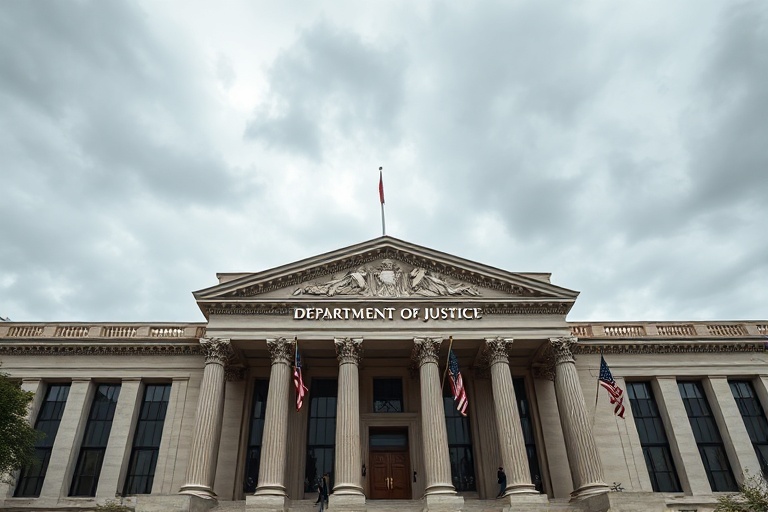
Understanding the U.S. Department of Justice: Role, Divisions, and Impact
“`html
The United States Department of Justice: Structure, Role, and Broader Impact
The United States Department of Justice (DOJ) stands as one of the most critical institutions in American governance. Established in 1870, it serves as the nation’s principal federal law enforcement agency, tasked with upholding the rule of law and ensuring justice for all citizens. Unlike many other federal departments, the DOJ operates with a dual mandate: it functions both as an executive branch agency and as the government’s legal arm, representing the United States in legal matters nationwide.
At its core, the DOJ plays a pivotal role in shaping public policy, enforcing federal laws, and protecting civil rights. Its reach extends across a vast array of issues, from combating organized crime and terrorism to addressing corporate fraud and environmental violations. The department’s influence is felt in courtrooms, legislative chambers, and communities across the country, making it a cornerstone of the American justice system.
The DOJ’s Organizational Framework and Key Divisions
The Department of Justice is structured to address a wide range of legal and enforcement challenges. It is led by the Attorney General, a cabinet-level position appointed by the President and confirmed by the Senate. The Attorney General oversees a sprawling bureaucracy that includes more than 90 United States Attorneys, who serve as the chief federal law enforcement officers in each judicial district. These prosecutors are responsible for bringing cases to trial, negotiating plea agreements, and advising federal agencies on legal matters.
Beneath the Attorney General, the DOJ is divided into several key components, each with specialized responsibilities:
- Federal Bureau of Investigation (FBI): The FBI is the DOJ’s primary investigative arm, focusing on counterterrorism, cybercrime, civil rights violations, and major criminal enterprises. With a global reach, the FBI operates in over 100 countries, coordinating with international law enforcement to tackle transnational threats.
- Drug Enforcement Administration (DEA): The DEA is dedicated to combating drug trafficking and the illegal distribution of controlled substances. It works domestically and abroad to dismantle drug cartels and disrupt supply chains, often collaborating with foreign governments and agencies.
- Bureau of Alcohol, Tobacco, Firearms and Explosives (ATF): The ATF enforces federal laws related to firearms, explosives, and alcohol/tobacco products. It plays a crucial role in investigating violent crimes involving guns and in regulating the firearms industry.
- Office of the Solicitor General: This office represents the United States in cases before the Supreme Court, shaping the legal arguments that define federal policy. The Solicitor General’s decisions often set precedents that influence future rulings.
- Civil Rights Division: The Civil Rights Division is charged with enforcing federal laws that prohibit discrimination based on race, color, national origin, sex, religion, age, disability, or genetic information. It investigates and litigates cases involving police misconduct, hate crimes, and voting rights violations.
This organizational structure allows the DOJ to address complex legal challenges with a combination of investigative rigor, prosecutorial expertise, and policy advocacy. The department’s ability to coordinate across these divisions ensures that it can respond effectively to emerging threats and systemic issues.
The DOJ’s Broader Implications for American Society
The Department of Justice does not operate in a vacuum. Its actions have far-reaching consequences for American society, influencing everything from public safety to economic stability. One of the most visible ways the DOJ impacts daily life is through its enforcement of civil rights laws. The Civil Rights Division, for example, has been instrumental in landmark cases such as Brown v. Board of Education and more recent challenges to discriminatory policing practices. These efforts have helped shape a more equitable society, though debates over enforcement and accountability continue.
The DOJ also plays a critical role in economic governance. Through its prosecution of white-collar crimes, it holds corporations and financial institutions accountable for fraud, corruption, and market manipulation. Cases like the prosecution of Enron executives in the early 2000s or the recent crackdown on cryptocurrency fraud demonstrate the DOJ’s commitment to maintaining integrity in the financial sector. These actions not only punish wrongdoers but also deter future misconduct, fostering trust in the economy.
Beyond domestic issues, the DOJ’s international collaborations highlight its role in global law enforcement. Agencies like the FBI and DEA work closely with foreign partners to combat terrorism, drug trafficking, and cybercrime. These partnerships are essential in an interconnected world where criminal networks operate across borders. The DOJ’s ability to coordinate with international allies strengthens America’s security posture and promotes global stability.
However, the DOJ’s work is not without controversy. Critics argue that its prosecutorial discretion can be influenced by political pressures, particularly when high-profile cases involve public figures or contentious issues. The department’s handling of cases such as those against former President Donald Trump or the investigation into Hunter Biden’s business dealings has sparked intense debate over fairness and impartiality. These controversies underscore the challenges of maintaining public trust in an institution tasked with upholding the law without bias.
Recent Challenges and the DOJ’s Evolving Role
The Department of Justice faces an evolving landscape of threats and responsibilities. In recent years, it has had to adapt to new challenges such as cyber warfare, domestic extremism, and the proliferation of digital crimes. The rise of ransomware attacks targeting critical infrastructure, for example, has forced the DOJ to prioritize cybersecurity in ways unimaginable just a decade ago. The creation of the Cybersecurity and Infrastructure Security Agency (CISA) and the DOJ’s increased focus on digital forensics reflect this shift.
The DOJ has also played a central role in addressing the aftermath of the January 6, 2021, Capitol riot. Federal prosecutors have brought charges against hundreds of individuals involved in the attack, using a combination of criminal and civil penalties to hold them accountable. This effort has tested the department’s resources and raised questions about the balance between justice and political polarization. The DOJ’s approach to these cases will likely set precedents for how the government responds to domestic terrorism in the future.
Another area of growing concern is the DOJ’s oversight of emerging technologies. As artificial intelligence, cryptocurrency, and biotechnology advance, the department must grapple with how to regulate these fields without stifling innovation. The DOJ’s Antitrust Division, for example, has taken a more aggressive stance against tech monopolies, filing lawsuits against companies like Google and Meta to challenge their market dominance. These actions reflect a broader trend toward reining in unchecked corporate power.
The DOJ’s role in shaping public policy extends beyond enforcement. Through its Office of Legal Counsel, the department provides legal advice to the White House and federal agencies, influencing decisions on issues ranging from immigration to environmental regulations. This advisory function gives the DOJ a behind-the-scenes role in some of the most consequential policy debates of our time.
Conclusion: The DOJ’s Enduring Significance
The United States Department of Justice remains a vital institution in the nation’s quest for justice and order. Its work touches nearly every aspect of American life, from protecting civil rights to combating cyber threats. As the legal and technological landscapes continue to evolve, the DOJ will face new challenges that demand adaptability, transparency, and a steadfast commitment to the rule of law. The department’s ability to navigate these complexities will determine its effectiveness in the years to come.
For those interested in exploring related topics, the Politics and Analysis sections on Dave’s Locker offer deeper insights into the legal and political dynamics shaping the DOJ’s work. Whether examining high-profile cases, legislative battles, or the broader implications of federal law enforcement, these resources provide valuable context for understanding the department’s evolving role in American society.