hawkeye
“`html
Hawkeye: From Comics to Cultural Icon
Clint Barton has spent decades hovering in the shadows of Marvel’s most explosive heroes. As Hawkeye, he’s the archer who never gets the spotlight, yet his presence has quietly shaped the MCU into something more grounded and human. Unlike super-soldiers or billionaire playboys, Barton’s appeal lies in his relatability—flaws, persistence, and an everyman’s struggle to balance heroism with family life.
His evolution from a one-dimensional trick-shot artist to a layered character with depth and nuance reflects broader trends in modern storytelling. Hawkeye’s journey mirrors the shift in comic book adaptations, where audiences now crave authenticity over spectacle. This transformation didn’t happen overnight, and it wasn’t without challenges. But through careful reinvention, Hawkeye carved out a space where archery isn’t just a gimmick—it’s a metaphor for precision, patience, and the cost of vigilance.
The Origins of Hawkeye: More Than Just an Archer
Hawkeye first appeared in Tales of Suspense #57 (1964), created by writer Stan Lee and artist Don Heck. Initially introduced as a villain, Barton quickly switched sides, becoming one of Iron Man’s earliest allies. His backstory—a circus orphan who turned to crime before redemption—set him apart from the cosmic and technological powerhouses dominating Marvel’s roster at the time.
What made Hawkeye distinct wasn’t just his lack of superpowers. It was his reliance on skill, strategy, and sheer grit. In a universe filled with gods and geniuses, Barton proved that heroism could be earned through discipline rather than destiny. This ethos resonated with readers who saw themselves in the underdog with a bow and a dream.
Over the years, Hawkeye’s character expanded. In the comics, he became a mentor to younger heroes like Kate Bishop, who would later inherit the Hawkeye mantle. His solo series, particularly Matt Fraction’s 2012 run, redefined the character as a protector of New York’s underbelly, blending noir aesthetics with street-level heroics. These stories elevated Barton from sidekick to protagonist, proving his worth wasn’t tied to his teammates.
Hawkeye in the MCU: A Study in Subversion
When the Marvel Cinematic Universe launched in 2008, Hawkeye was one of the six core Avengers. Played by Jeremy Renner, Barton brought a grounded physicality to the team. But it wasn’t until Avengers: Endgame (2019) that his arc reached its emotional peak. In a film dominated by time travel and cosmic stakes, Hawkeye’s grief over losing his family grounded the story in raw humanity.
The Disney+ series Hawkeye (2021) further explored this aspect of the character. Set during Christmas in New York City, the show positioned Barton as a mentor to Kate Bishop, a young archer inheriting his legacy. The series leaned into themes of legacy, trauma, and the pressure of living up to a hero’s name. Unlike other MCU entries, it prioritized character moments over large-scale action, a risky choice that paid off in emotional resonance.
What makes Hawkeye’s MCU portrayal so compelling is its rejection of traditional hero tropes. He’s not the strongest, fastest, or richest Avenger. His power lies in his precision—and his imperfections. The series also introduced the Ronin persona, a darker, ruthless version of Barton that added moral complexity to his character. This duality reflects modern audiences’ appetite for flawed protagonists who grapple with the consequences of their actions.
Key Moments in Hawkeye’s Cinematic Journey
- 2011 – Thor: Hawkeye’s first appearance in the MCU, showcasing his deadly accuracy and loyalty to Loki’s cause.
- 2012 – The Avengers: Establishes Barton as a core Avenger, blending into the team while maintaining his individuality.
- 2015 – Avengers: Age of Ultron: Reveals his family life with Laura and his children, humanizing the character.
- 2019 – Avengers: Endgame: His transformation into Ronin and eventual redemption highlight his emotional depth.
- 2021 – Hawkeye (Disney+): A character-driven narrative where Barton mentors Kate Bishop while confronting his past.
The Broader Implications: Why Hawkeye Matters
Hawkeye’s enduring appeal speaks to a cultural shift in how we define heroism. In an era dominated by CGI spectacles and invincible protagonists, Barton represents the underdog who wins through skill, not superpowers. His stories emphasize patience, practice, and the quiet strength of showing up every day. These themes resonate in a world where instant gratification often overshadows discipline.
Moreover, Hawkeye’s role as a mentor—first to Kate Bishop, then to younger Avengers like Cassie Lang—highlights the importance of passing down knowledge. In a franchise that often focuses on legacy (think Spider-Man or the Young Avengers), Barton’s guidance offers a counterpoint: heroism isn’t just about what you achieve, but who you help become.
The character’s evolution also reflects broader changes in comic book storytelling. Modern audiences crave complexity, and Hawkeye delivers. He’s not afraid to make morally ambiguous choices, whether as Ronin or in his early mercenary days. This willingness to embrace imperfection makes him more relatable than many of his peers.
What’s Next for Hawkeye?
With the MCU entering a new phase post-Multiverse of Madness and Secret Wars, speculation about Hawkeye’s future is inevitable. One possibility is deeper exploration of his Ronin persona, especially as Marvel continues to mine its past for fresh narratives. Another avenue could be Kate Bishop’s ascension as the definitive Hawkeye, carrying the mantle forward in solo adventures or team-ups.
There’s also potential for Hawkeye to step outside the MCU entirely. With Sony’s Spider-Man Universe expanding and Fox’s X-Men properties now part of the fold, opportunities abound for crossovers or even cameos in other franchises. Barton’s skill set and moral flexibility make him a wildcard in any setting.
Regardless of where the story goes next, Hawkeye’s legacy is secure. He proved that heroism doesn’t require a cape or a power suit—just determination, precision, and the courage to face your flaws. In a world of larger-than-life characters, Barton remains refreshingly human.
As Marvel continues to evolve, one thing is clear: the world will always need an archer who hits his mark.
—
METADATA
{
“title”: “How Hawkeye Became Marvel’s Most Underrated Hero”,
“metaDescription”: “From comic sidekick to MCU icon, explore Hawkeye’s evolution and why his story resonates in today’s superhero landscape.”,
“categories”: [“Entertainment”, “Culture”],
“tags”: [“Hawkeye”, “Marvel”, “Clint Barton”, “MCU”, “superhero evolution”],
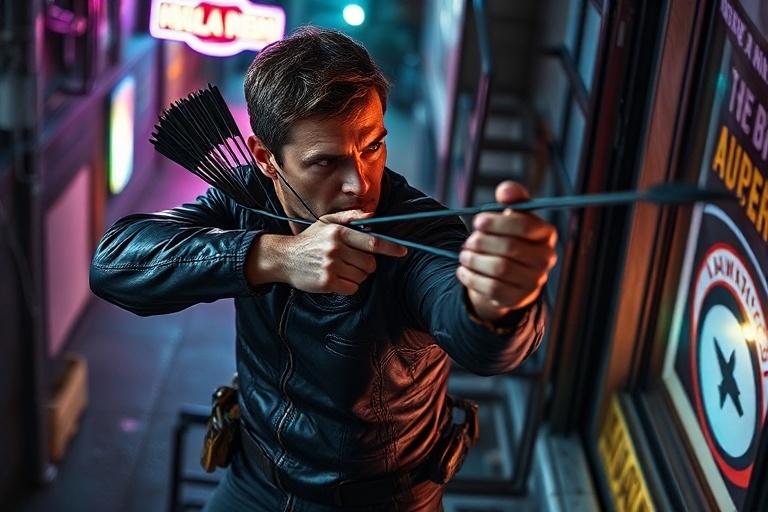
“imageDescription”: “A cinematic shot of Jeremy Renner as Hawkeye in Avengers: Endgame, mid-bow draw against a snowy backdrop, with a determined expression. The scene captures his emotional intensity and physical precision, bathed in cold blue tones.”
}
—END METADATA—
“`