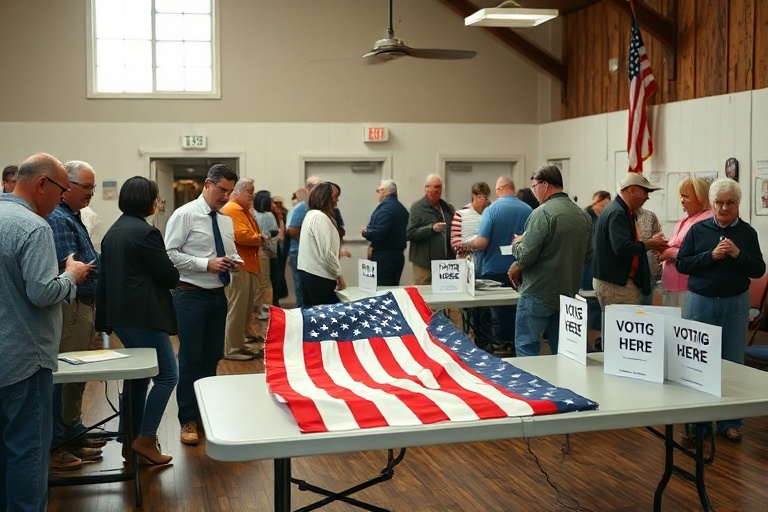
The act of voting remains one of the most fundamental expressions of civic duty, yet the process of casting a ballot varies dramatically around the world. Local polling stations serve as the physical and symbolic heart of democratic participation, where citizens gather to shape their collective future. These unassuming buildings—often schools, community centers, or municipal offices—become temporary hubs of democracy for a day, hosting voters from diverse backgrounds united by a single purpose.
While national elections dominate headlines, the local polling station is where the rubber meets the road in democratic governance. It’s where the nuances of electoral systems, cultural attitudes toward voting, and logistical challenges converge. From the long-standing traditions of some nations to the innovative reforms of others, these stations reflect broader societal values about governance, transparency, and civic engagement.
The Role of Local Polling Stations in Democratic Participation
Local polling stations are more than just locations—they are microcosms of their communities. In many countries, they are the primary interface between citizens and the electoral process. The accessibility of these stations often determines voter turnout, particularly for marginalized groups. For example, in rural areas of India, polling stations are sometimes set up in remote villages to ensure that even the most isolated communities can participate. This approach contrasts sharply with urban environments, where overcrowding at stations can lead to long wait times and disenfranchisement.
In countries with compulsory voting laws, such as Australia, local polling stations play an even more critical role. Failure to vote without a valid reason results in penalties, underscoring the government’s commitment to high participation rates. Here, the polling station isn’t just a place to cast a ballot—it’s a civic obligation. Conversely, in nations where voting is optional, the challenge shifts to encouraging participation. In the United States, for instance, local election officials often partner with community organizations to increase voter registration and turnout, particularly in underserved neighborhoods.
Cultural and Historical Influences on Polling Station Design
The design and function of polling stations are deeply influenced by cultural and historical contexts. In Japan, for example, polling stations are often located in schools or public halls, reflecting the country’s emphasis on communal spaces. Voters receive a ballot at the entrance and proceed to a private booth, a system designed to balance efficiency with secrecy. This method has been refined over decades, ensuring minimal disruptions and maximum transparency.
In contrast, some European countries take a more decentralized approach. In Germany, polling stations are typically set up in local government buildings or community centers, with each municipality responsible for organizing the process. This system emphasizes local autonomy and trust in regional institutions. Meanwhile, in Brazil, electronic voting machines have revolutionized the polling process, reducing fraud and streamlining vote counting. However, this technological leap has also sparked debates about accessibility for elderly or rural voters who may struggle with digital interfaces.
Challenges Faced by Local Polling Stations Worldwide
Despite their importance, local polling stations face a range of challenges that can undermine their effectiveness. One of the most persistent issues is accessibility. In many parts of the world, voters with disabilities encounter barriers, from lack of ramps to poorly designed voting booths. The United Nations Convention on the Rights of Persons with Disabilities emphasizes the need for inclusive polling stations, yet implementation remains inconsistent.
Another critical challenge is voter intimidation or suppression. In some countries, polling stations are deliberately located in areas that are difficult for certain groups to reach, such as minority communities or opposition strongholds. For example, in the 2018 U.S. midterm elections, reports emerged of polling stations being closed in predominantly African American neighborhoods, leading to accusations of systemic disenfranchisement. These issues highlight the broader struggle for equitable access to the ballot box.
Logistical hurdles also play a significant role. In countries with large populations, such as Indonesia or Nigeria, managing the sheer volume of voters can be overwhelming. Long lines, inadequate staffing, and equipment failures are common complaints. To address these issues, some nations have experimented with extended polling hours or mobile voting units for remote areas. For instance, in South Africa, mobile polling stations are deployed to rural regions during elections, ensuring that no voter is left behind due to geographic barriers.
Innovations and Reforms Shaping the Future of Polling Stations
The future of local polling stations is being shaped by technological advancements and innovative reforms. One of the most significant trends is the adoption of early voting and mail-in ballots. Countries like Canada and Germany allow voters to cast their ballots weeks before election day, reducing congestion at polling stations and increasing convenience. This approach has gained traction in the United States as well, particularly in states like Oregon and Washington, where mail-in voting is the norm.
Another innovation is the use of biometric technology to verify voter identity. In countries like India and Ghana, fingerprint or facial recognition systems have been implemented to combat fraud. While these systems enhance security, they also raise concerns about data privacy and the potential for exclusion if the technology fails. For example, in India’s 2019 elections, reports surfaced of voters being turned away due to mismatches in biometric data, highlighting the need for robust backup systems.
Some communities are reimagining the physical space of polling stations to make them more inviting and transparent. In Estonia, for instance, polling stations are often designed to resemble modern civic centers, with bright lighting, clear signage, and volunteer staff on hand to assist voters. This approach aims to demystify the voting process and foster a sense of trust in the electoral system. Similarly, in New Zealand, polling stations are frequently located in easily accessible public buildings, such as libraries or sports facilities, to encourage participation.
The Impact of Political Polarization on Polling Stations
Political polarization has also left its mark on local polling stations. In highly divided societies, polling places can become flashpoints for tension. For example, in the 2020 U.S. presidential election, reports emerged of protesters gathering outside polling stations in swing states, creating an intimidating atmosphere for voters. To mitigate such risks, some jurisdictions have implemented buffer zones around polling stations, prohibiting campaigning within a certain distance of the entrance.
In other parts of the world, polling stations have become symbols of resistance. During the 2016 Colombian peace referendum, polling stations in rural areas were targeted by armed groups attempting to disrupt the vote. The government responded by deploying additional security forces and establishing temporary polling sites in safer locations. These incidents underscore the broader challenges of holding elections in conflict zones or areas with weak governance.
What the Future Holds for Local Polling Stations
The evolution of local polling stations will likely continue to be shaped by technological progress, societal changes, and political dynamics. One promising development is the integration of blockchain technology to enhance the security and transparency of vote counting. By creating an immutable ledger of votes, blockchain could reduce the risk of tampering and increase public trust in election results. Estonia has already experimented with this approach, and other nations may follow suit.
Another trend is the growing emphasis on sustainability. Many polling stations are now adopting eco-friendly practices, such as using recyclable materials for ballots and signage or powering equipment with renewable energy. For example, in Sweden, some polling stations are located in buildings certified for their environmental standards, aligning the electoral process with broader sustainability goals.
Ultimately, the future of local polling stations will depend on their ability to adapt to the changing needs of voters. Whether through technological innovation, inclusive design, or community engagement, these stations must remain accessible and trustworthy. As societies become more diverse and interconnected, the role of polling stations as spaces of civic participation will only grow in importance.
For those interested in exploring how polling stations function in different parts of the world, our Politics section offers deeper insights into electoral systems and democratic practices. Understanding these nuances is essential for anyone seeking to engage meaningfully in the democratic process.