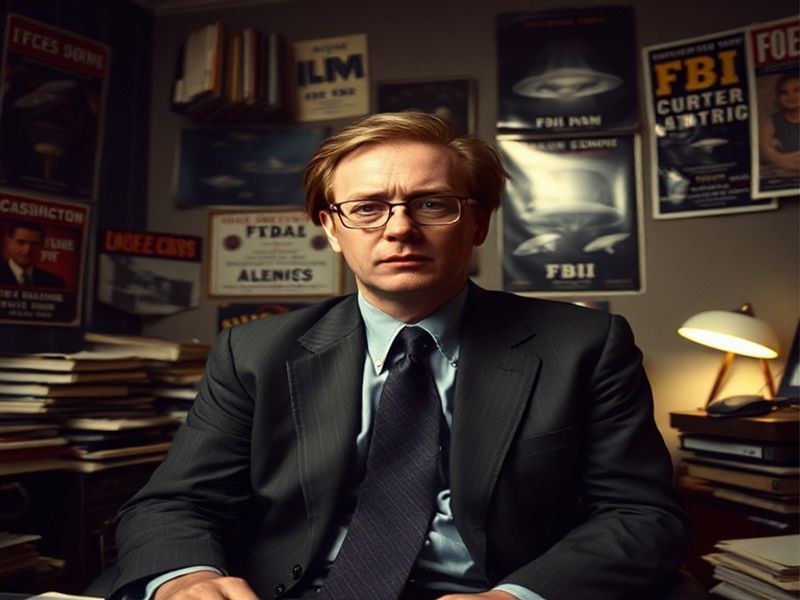
Few fictional characters have left as indelible a mark on television as Fox Mulder, the relentless FBI agent from The X-Files who turned skepticism into a cultural touchstone. Played by David Duchovny, Mulder wasn’t just a protagonist—he was a mirror reflecting society’s obsession with the unknown. For six seasons as a lead and another seven as a recurring character, he shaped the blueprint for modern sci-fi detectives. His journey from a dismissed outcast to a pop-culture icon remains a masterclass in character-driven storytelling.
What set Mulder apart wasn’t just his theories about extraterrestrials or government cover-ups. It was his unshakable faith in the impossible, even when the evidence failed him. That contradiction—between his scientific training and his spiritual devotion to the paranormal—made him endlessly fascinating. Audiences didn’t just watch him solve cases; they questioned whether they’d do the same in his place.
The Making of a Believer: Mulder’s Backstory and Motivations
Mulder’s origin story is a tragedy disguised as a mystery. As a child, he witnessed his younger sister Samantha’s abduction, an event that haunted him for decades. That trauma didn’t just fuel his FBI career—it forged his worldview. While most agents dismissed the supernatural as superstition, Mulder saw patterns, conspiracies, and possibilities others ignored. His famous line, “The truth is out there,” wasn’t just a catchphrase; it was a mantra born from loss.
His partnership with Dana Scully (Gillian Anderson) wasn’t just a procedural necessity—it was a narrative collision. Scully, the rational medical doctor and skeptic, balanced Mulder’s intuition with hard science. Their dynamic evolved from professional friction to deep mutual respect, reflecting the tension between faith and evidence that defines the show. Mulder’s belief in the paranormal wasn’t naive; it was a calculated risk, one that Scully eventually shared in her own way.
Behind the scenes, David Duchovny’s portrayal brought nuance to Mulder. Initially written as a quirky oddball, Duchovny imbued him with depth—dry humor, vulnerability, and a quiet intensity. Whether he was poring over alien autopsy footage or staring into the abyss of government corruption, Duchovny made Mulder feel real. That realism is why, decades later, fans still debate his theories as if they were fact.
Mulder’s Legacy: How He Redefined TV Detectives
Before Mulder, most TV detectives followed a predictable formula: clues, chase, arrest. The X-Files flipped that script. Mulder’s investigations were as much about the journey as the destination. Episodes like “Clyde Bruckman’s Final Repose” or “Small Potatoes” showcased his blend of horror, humor, and humanity. He wasn’t just solving cases; he was wrestling with existential questions.
Mulder’s influence extends far beyond The X-Files. He paved the way for a new breed of protagonists—flawed, obsessive, and driven by personal demons. Shows like Fringe, Supernatural, and even Stranger Things owe a debt to his blueprint. Mulder taught audiences that the best mysteries aren’t just about whodunit—they’re about why it matters.
His cultural impact is undeniable. From memes to merchandise, Mulder remains a symbol of relentless curiosity. Even his iconic poster bed—complete with UFO lights—has been replicated in countless bedrooms. That’s the power of a character who made the extraordinary feel intimate.
The Mulder Effect: Fan Culture and Conspiracy Theories
The X-Files didn’t just entertain; it inspired. Fans didn’t just watch the show—they lived it. In the ‘90s, Mulder’s theories about aliens and government cover-ups mirrored real-world anxieties about UFOs and conspiracy culture. The show’s tagline, “Trust No One,” became a rallying cry for a generation skeptical of authority.
Online forums and fan clubs turned Mulder into a cult figure. Websites like Dave’s Locker Entertainment still celebrate his legacy, hosting discussions about his most iconic episodes. Fans debate everything from his best monologues to the meaning of his famous “I want to believe” poster. That level of engagement is rare for a TV character—proof that Mulder didn’t just occupy a screen; he occupied imaginations.
Even today, Mulder’s influence persists. Podcasts dissect his cases, cosplayers recreate his wardrobe, and new generations discover his stories. His character proves that belief—whether in aliens, justice, or the unknown—is timeless.
Beyond the Show: Mulder’s Impact on Pop Culture
Mulder’s reach extends beyond television. He’s been referenced in songs, referenced in movies, and even parodied in cartoons. His iconic hairstyle and trench coat became shorthand for “dedicated investigator,” inspiring real-life detectives and fiction alike. Even the FBI has acknowledged his cultural footprint—though they’d never admit to believing in aliens.
Mulder also challenged gender norms in sci-fi. While often framed as the “believer” to Scully’s “skeptic,” he wasn’t confined to stereotypes. He cried, he doubted, he loved—and those vulnerabilities made him relatable. In an era where male heroes were often stoic and invincible, Mulder offered something different: a man who believed in the impossible without losing his humanity.
Mulder’s Most Memorable Moments
Some of Mulder’s best scenes aren’t about solving cases—they’re about his humanity. Whether it’s his quiet moments with Scully, his dry wit in the face of absurdity, or his heartbreaking confession about Samantha, these beats defined his character. Here are a few standout moments:
- “I Want to Believe” Poster: The image of the UFO over a forest isn’t just a decoration—it’s a symbol of Mulder’s enduring hope.
- The Pilot Episode: Mulder’s first meeting with Scully set the tone for their partnership and the show’s tone.
- “Beyond the Sea”: A haunting episode where Mulder faces his deepest fears, proving his bravery isn’t just physical.
- His Final Speech: In the series finale, Mulder’s words about truth resonate as much today as they did in 1993.
These moments aren’t just memorable—they’re defining. They show why Mulder endured when so many TV characters faded into obscurity.
The Future of Mulder: What’s Next for the Legend?
After The X-Files ended its original run in 2002, Mulder’s story didn’t conclude—it evolved. Revivals in 2016 and 2018 proved that audiences still crave his blend of mystery and emotion. While some fans debate whether the sequels captured the magic of the original, there’s no denying Mulder’s staying power.
Speculation about new projects—movies, limited series, or even a legacy sequel—keeps Mulder’s legacy alive. David Duchovny has hinted at more stories, and fans remain hopeful. After all, the truth isn’t just out there—it’s waiting for the next generation to discover it.
For those who grew up with Mulder, he’s more than a character; he’s a companion. He taught us to question, to hope, and to believe—even when the world tells us not to. That’s a legacy that transcends television.
As long as there are mysteries left unsolved and truths left uncovered, Fox Mulder will remain a guiding light. Not because he has all the answers, but because he asks the right questions.