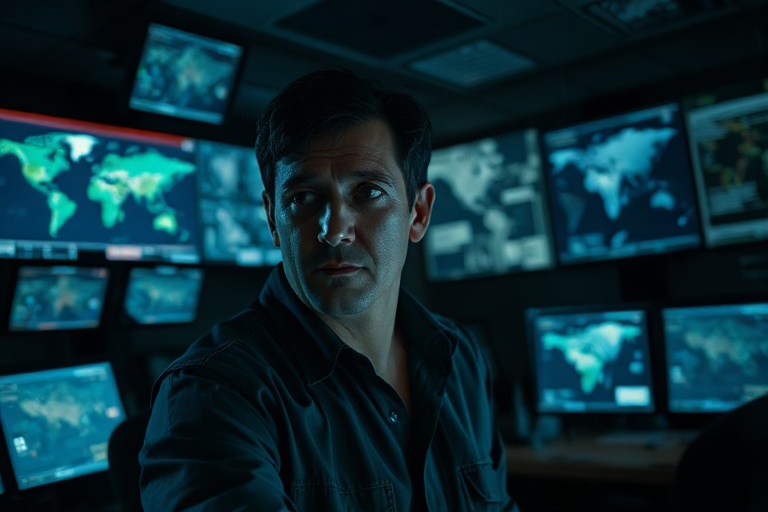
The Jack Ryan franchise has carved a distinctive niche in the action-thriller genre, blending meticulous intelligence work with high-stakes combat. Since its inception in the 1990s, the series has evolved from a Cold War-era relic to a modern espionage staple, adapting to shifting geopolitical realities while maintaining its core appeal. The films and subsequent Amazon Prime series have not only entertained millions but also reflected broader cultural fascinations with intelligence agencies and the moral ambiguities of warfare.
The character, created by novelist Tom Clancy in the 1980s, first appeared on screen in The Hunt for Red October (1990), establishing a blueprint for military thrillers. However, it was Harrison Ford’s portrayal in Patriot Games (1992) and Clear and Present Danger (1994) that solidified Ryan as a cinematic icon. These early films emphasized Ryan’s intellectual rigor and strategic mind, setting them apart from the muscle-bound action heroes dominating the era. The franchise’s emphasis on cerebral problem-solving over brute force has remained a defining feature, even as the character has been reimagined for new generations.
The Evolution of Jack Ryan on Screen
The Jack Ryan filmography spans over three decades, reflecting both technological advancements in filmmaking and cultural shifts in how espionage is perceived. The original trilogy—starring Harrison Ford—was rooted in the ideological battles of the late 20th century, with plots revolving around Soviet submarines, Central American drug cartels, and Cold War brinkmanship. These films were products of their time, tapping into anxieties about nuclear escalation and state-sponsored terrorism.
By the time The Sum of All Fears (2002) reached theaters, starring Ben Affleck, the geopolitical landscape had changed dramatically. The film’s plot, which involved a neo-Nazi plot to detonate a nuclear device in Baltimore, felt eerily prescient in the post-9/11 world. The shift from Cold War villains to non-state actors marked a turning point in the franchise, mirroring real-world concerns about asymmetric warfare and terrorism. The film’s reception was mixed, with some critics praising its timely themes while others found its execution lacking.
The most recent iteration of Jack Ryan arrived in 2018 with Amazon Prime’s Tom Clancy’s Jack Ryan, a streaming series starring John Krasinski. This modern take diverged from the bombastic action of the films, opting instead for a grounded, procedurally driven narrative that emphasized Ryan’s analytical skills. The series thrived on its realism, drawing comparisons to shows like Homeland and 24. It also benefited from a serialized format, allowing for deeper character development and intricate plotlines that spanned multiple seasons.
Why Jack Ryan Endures: Themes and Appeal
Several factors contribute to the enduring popularity of the Jack Ryan franchise. First is its commitment to plausibility. Unlike many action heroes, Jack Ryan is not a superhuman figure; he is a former Marine turned analyst whose greatest weapon is his intellect. This relatability has allowed audiences to project themselves into his role, imagining how they might navigate the moral complexities of espionage.
The franchise also taps into a universal fascination with intelligence work. In an era of classified leaks, cyber warfare, and global surveillance, stories about spies and covert operations feel increasingly relevant. The Jack Ryan series has consistently explored themes of secrecy, betrayal, and the cost of national security, resonating with audiences who are both intrigued and unsettled by the inner workings of power.
Another key to the franchise’s longevity is its adaptability. Each new iteration of Jack Ryan has recontextualized the character for its time. The early films reflected the anxieties of the Cold War, while later adaptations grappled with post-9/11 threats. The Amazon Prime series, for instance, leaned into the rise of homegrown terrorism and the ethical dilemmas of drone warfare. This willingness to evolve has kept the character fresh, even as the broader genre has shifted toward superhero dominance.
Key Elements of the Jack Ryan Franchise
- Intellectual Action: Unlike many action heroes, Jack Ryan’s success hinges on his ability to outthink his enemies rather than overpower them.
- Real-World Inspirations: The plots often draw from real geopolitical events, lending a sense of authenticity to the storytelling.
- Moral Ambiguity: The franchise frequently explores the gray areas of warfare and intelligence, avoiding simplistic hero-villain dynamics.
- Technological Realism: Even in its most exaggerated moments, the series prioritizes plausible depictions of modern espionage tools and tactics.
- Character-Driven Narratives: Whether in film or television, the focus remains on Ryan’s personal growth and the consequences of his decisions.
Broader Implications: The Legacy of Jack Ryan
The Jack Ryan franchise is more than just a collection of action thrillers; it is a cultural artifact that reflects and shapes public perceptions of intelligence work. The early films, with their Cold War settings, helped reinforce the idea of American exceptionalism during a time of ideological conflict. Later adaptations, particularly the Amazon Prime series, have contributed to a more nuanced understanding of modern warfare, highlighting the challenges of asymmetric threats and the ethical dilemmas of targeted strikes.
Moreover, the franchise’s emphasis on realism has influenced other works in the espionage genre. Shows like The Americans and Bodyguard owe a debt to the Ryan universe’s commitment to procedural storytelling and grounded action. Even non-spy thrillers, such as Homeland and The Night Manager, have adopted similar approaches to tension and authenticity.
However, the Jack Ryan franchise is not without its critics. Some argue that its portrayal of intelligence work is overly sanitized, glossing over the human cost of covert operations. Others point to the occasional reliance on implausible plot twists, particularly in the early films. Yet, these criticisms have done little to dampen the franchise’s appeal, suggesting that its strengths—relatability, realism, and adaptability—far outweigh its flaws.
Where to Go from Here: The Future of Jack Ryan
As the Jack Ryan franchise enters its fifth decade, its future remains uncertain. The Amazon Prime series concluded its fourth season in 2023, leaving the door open for further adventures. Given the character’s enduring popularity, it would be surprising if Hollywood—or streaming platforms—did not revisit Ryan in some form. Potential avenues for future stories include exploring the rise of cyber warfare, the ethical implications of artificial intelligence in intelligence gathering, or Ryan’s potential involvement in a new global conflict.
Regardless of what comes next, the Jack Ryan franchise’s legacy is secure. It has not only entertained generations of audiences but also shaped how we think about espionage, warfare, and the blurred lines between heroism and villainy. In an era where truth often feels stranger than fiction, Jack Ryan remains a compelling guide to the shadowy world of intelligence—a world where the stakes are always high, and the right answer is never guaranteed.
For fans looking to dive deeper into the world of action thrillers, Dave’s Locker’s Entertainment section offers a wealth of reviews, analyses, and retrospectives. If you’re interested in the broader genre of espionage storytelling, check out Dave’s Locker’s Culture archives for more insights.