Why Nebraska Baseball Matters More Than You Think
“`html
Nebraska Baseball: A Tradition of Grit and Growth
Baseball in Nebraska isn’t just a sport—it’s a cultural touchstone that reflects the state’s work ethic, community spirit, and evolving athletic ambitions. While the Cornhusker State may not dominate national headlines like powerhouse programs in California or Florida, its baseball culture is deep-rooted, resilient, and increasingly ambitious. From small-town diamonds to the University of Nebraska’s Big 12 contenders, baseball here thrives on passion, perseverance, and a quiet but undeniable influence on the sport’s broader landscape.
The Historical Roots of Nebraska Baseball
The story of baseball in Nebraska begins in the late 19th century, when the sport was swept up in the wave of American expansion. Railroads brought the game westward, and by the 1880s, towns across Nebraska fielded teams that played in makeshift leagues. Baseball wasn’t just entertainment—it was a unifying force. Communities rallied around local clubs, often organizing games after harvest season or on weekends when farmers could spare time. These early contests laid the groundwork for a tradition that still defines Nebraska’s identity today.
The University of Nebraska at Lincoln (UNL) officially established its baseball program in 1889, making it one of the oldest in the Midwest. In those early years, the team traveled by train, playing against regional rivals like Kansas and Missouri. The sport’s simplicity and accessibility made it ideal for a state with vast rural areas and limited resources. Baseball became a way to connect urban centers with isolated farming communities—a cultural bridge that persists even as the state’s demographics shift.
From Small-Town Fields to Collegiate Competition
Nebraska’s baseball scene today is a blend of grassroots passion and high-level competition. The state boasts one of the highest per capita participation rates in youth baseball in the country, with leagues in nearly every town, from Omaha to the Panhandle. Programs like the Nebraska Elite Baseball organization have become pipelines for talent, drawing players from across the region and sending many to college programs or professional ranks.
At the collegiate level, the University of Nebraska’s baseball team competes in the Big 12 Conference, a league known for its intense competition and high-caliber athletes. The Huskers have seen steady improvement under head coach Will Bolt, who took over in 2021 and has emphasized a culture of accountability and development. The program’s recent success—including multiple NCAA tournament appearances—has elevated its profile, but the real story lies in how it reflects Nebraska’s broader athletic identity: hardworking, disciplined, and fiercely competitive without relying on flashy recruiting tactics.
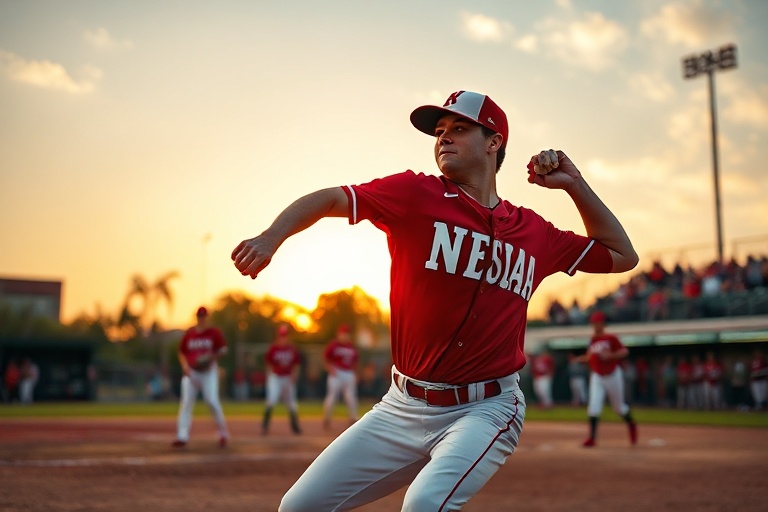
For many young Nebraskans, playing college baseball is a dream that begins on a dirt infield under stadium lights in towns like Kearney, Grand Island, or Scottsbluff. These aren’t just games; they’re community events. Parents, grandparents, and neighbors fill bleachers, creating an atmosphere that blends small-town pride with the fervor of big-league aspirations. It’s a microcosm of how baseball functions in America—local yet aspirational, humble yet ambitious.
The Cultural Role of Baseball in Nebraska
Baseball’s significance in Nebraska extends beyond the field. It’s woven into the state’s identity in ways that parallel its agricultural roots and pioneering spirit. The sport mirrors the values of resilience and community that define life in the Great Plains. When a team wins a championship or a player signs a professional contract, it’s celebrated not just as athletic achievement but as a communal triumph. In a state where isolation can be a challenge, baseball offers a shared language.
This cultural role is evident in events like the College World Series in Omaha, which, while not hosted by Nebraska teams, draws thousands of fans to the city each year. The series is a baseball extravaganza, but it also showcases Omaha’s growth as a hub for the sport. The city’s connection to baseball runs deep, from its minor-league team, the Omaha Storm Chasers, to the annual CWS, which has become a summer ritual for fans across the Midwest. For many Nebraskans, the series is a pilgrimage—a chance to celebrate the sport they love in a setting that feels both festive and familiar.
Moreover, baseball in Nebraska has adapted to modern realities. The rise of travel baseball has transformed youth development, creating opportunities for elite players to compete year-round. Yet, the state’s baseball culture retains its grassroots essence. Many families still prioritize community leagues over expensive private training, ensuring that the sport remains accessible. This balance between tradition and evolution is perhaps Nebraska’s greatest contribution to the broader baseball narrative.
Looking Ahead: The Future of Nebraska Baseball
The path forward for Nebraska baseball is one of cautious optimism. The state’s programs are on the rise, but challenges remain. Recruiting top talent is competitive, especially against programs in warmer climates with year-round training facilities. However, Nebraska’s appeal lies in its culture—a place where players can develop in a supportive environment without the distractions of big-city programs. The Huskers’ recent recruiting successes suggest that this message is resonating.
On the youth level, initiatives like the Nebraska Baseball Futures Program aim to identify and nurture talent across the state, ensuring that the pipeline of players remains strong. These efforts are crucial in a region where sports like football and basketball often overshadow baseball. By investing in facilities, coaching, and accessibility, Nebraska is positioning itself as a destination for athletes who value tradition and opportunity.
Globally, baseball’s influence continues to spread, with leagues emerging in Europe, Asia, and Latin America. While Nebraska may not be at the forefront of this global expansion, its role in the sport’s development is undeniable. The state’s emphasis on fundamentals, teamwork, and resilience aligns with the values that baseball upholds worldwide. As the sport evolves, Nebraska’s contributions—both on and off the field—will remain a vital part of its story.
A Legacy Built on Passion
Nebraska baseball is more than a collection of games or statistics. It’s a living tradition, a testament to the power of community, and a reflection of the state’s character. From the sandlot diamonds of rural towns to the packed stands of TD Ameritrade Park, baseball thrives in Nebraska because it belongs to everyone. It’s a sport that rewards grit, celebrates effort, and fosters connections—values that resonate far beyond the Cornhusker State.
As the sun sets over a high school field in Nebraska, casting long shadows over the infield, it’s clear that baseball here is more than a pastime. It’s a legacy, one that continues to grow with each pitch, each hit, and each cheer from the stands. And in a world that often prioritizes speed and spectacle, Nebraska’s baseball culture reminds us of the enduring power of the game’s simplest joys.
For those interested in exploring more about baseball’s cultural impact or Nebraska’s athletic programs, visit our Sports category for deeper analysis and updates.