Mother’s Day 2026: Trends, Traditions, and What’s Changing
“`html
Mother’s Day 2026: What’s New and What Stays the Same
Mother’s Day has long been a staple of the spring calendar, a day marked by flowers, brunch reservations, and heartfelt cards. In 2026, the holiday evolves as societal norms shift and consumer behaviors adapt. While the core sentiment remains unchanged, the ways families celebrate—and the industries that support those celebrations—are transforming. From the rise of experiential gifts to the growing emphasis on sustainability, the holiday reflects broader cultural currents.
The Evolution of Mother’s Day Traditions
The origins of Mother’s Day trace back to early 20th-century activism, but today’s celebrations are far removed from its activist roots. The holiday has become increasingly commercialized, with spending projected to reach new highs by 2026. According to the National Retail Federation, Americans spent over $35 billion on Mother’s Day in 2024, and analysts expect that figure to grow by 5-7% annually. This spending isn’t just about flowers and chocolates anymore. Consumers are prioritizing experiences over material gifts, with many opting for personalized jewelry, spa days, or even travel vouchers.
Digital trends are also reshaping how families connect. Video calls have become a staple of modern Mother’s Day celebrations, especially for those separated by distance. In 2026, augmented reality (AR) and virtual reality (VR) could take center stage, allowing families to share virtual meals or even “visit” each other’s homes through immersive technology. While these innovations won’t replace in-person gatherings, they offer new ways to bridge gaps.
Key Shifts in Mother’s Day Celebrations
- Experiential Gifts Over Material Items: More families are investing in memories, from concert tickets to cooking classes.
- Sustainability as a Priority: Eco-friendly gifts, such as reusable home goods or donations in a mother’s name, are gaining traction.
- Digital-First Celebrations: Virtual gatherings and AR/VR experiences are becoming mainstream alternatives.
- Personalization at Scale: Customized gifts, from engraved jewelry to photo books, dominate retail trends.
How Retailers Are Adapting to Changing Consumer Demands
Retailers have long relied on Mother’s Day to bolster spring sales, but the strategies are shifting. Traditional brick-and-mortar stores are emphasizing curated selections that align with sustainability and personalization trends. For example, department stores now offer “green gift guides” highlighting ethically sourced products, while online retailers use AI to recommend personalized gifts based on browsing history and past purchases.
The rise of subscription services has also transformed the gift landscape. Monthly flower deliveries, book clubs, and gourmet snack boxes provide ongoing value rather than a one-time purchase. These models cater to consumers who prefer convenience and longevity in their gifts. Meanwhile, social media continues to influence purchasing decisions, with platforms like Instagram and TikTok driving trends such as “mom-approved” product hauls and DIY gift ideas.
For small businesses, Mother’s Day remains a critical revenue stream. Local artisans and family-owned shops often see a surge in sales as consumers seek unique, handcrafted items. However, these businesses face challenges competing with corporate giants who dominate digital advertising. Many are turning to community-driven marketing, such as pop-up markets and collaborations with local influencers, to stand out.
Cultural Reflections: What Mother’s Day Reveals About Society
Mother’s Day is more than a commercial holiday; it’s a mirror of societal values. The increasing focus on work-life balance has led to a rise in “self-care” gifts, reflecting a cultural shift toward prioritizing mental health and relaxation. At the same time, the holiday highlights ongoing debates about the unpaid labor of mothers, with many using the day to advocate for better parental leave policies and workplace equity.
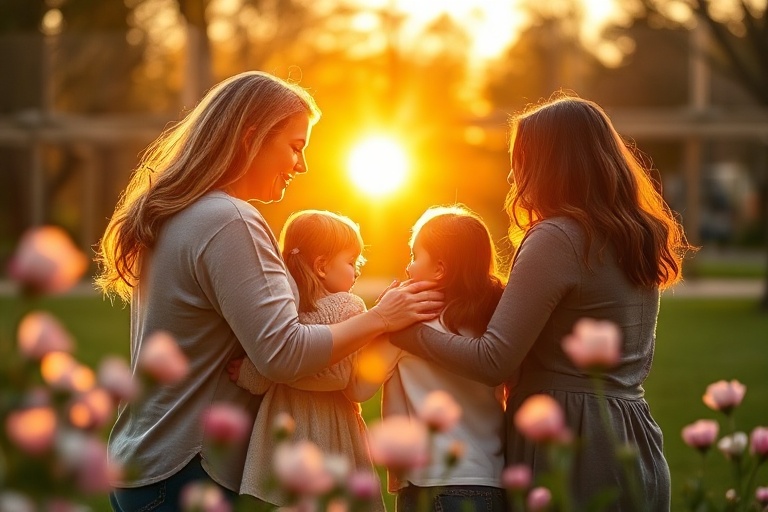
Another notable trend is the growing recognition of diverse family structures. While traditional nuclear families once dominated Mother’s Day marketing, brands are now embracing a broader definition of motherhood. Single mothers, adoptive mothers, and chosen families are increasingly represented in advertisements and product offerings. This inclusivity not only reflects societal progress but also taps into a more authentic consumer base.
The holiday also underscores generational differences in how families celebrate. Younger generations, such as Millennials and Gen Z, are more likely to prioritize experiences and sustainability, while older generations may stick to traditional gifts like flowers and cards. These differences create opportunities for hybrid celebrations—perhaps a morning brunch followed by an afternoon volunteer activity, blending nostalgia with modern values.
Looking Ahead: Predictions for Mother’s Day 2026
As we approach Mother’s Day 2026, several trends are poised to shape the holiday’s landscape. The integration of technology will likely deepen, with more families using apps to coordinate virtual gatherings or AI-powered tools to design custom gifts. Sustainability will remain a key driver, with brands competing to offer the most eco-conscious options. Meanwhile, the personalization trend shows no signs of slowing, as consumers continue to seek gifts that feel uniquely tailored to their loved ones.
For those planning ahead, early shopping and reserving experiences may become even more critical. With supply chain disruptions still a concern in some industries, securing gifts and reservations in advance can avoid last-minute stress. Additionally, families may explore alternative celebrations, such as multi-generational trips or community service projects, to create meaningful connections.
Ultimately, Mother’s Day 2026 will reflect the same timeless sentiment as its predecessors—gratitude and love for mothers—but with a modern twist. Whether through technology, sustainability, or personalized gestures, the holiday will continue to evolve, proving that even the most traditional celebrations are not immune to change.
For more insights into how holidays are evolving, explore our Culture and Trending sections on Dave’s Locker.