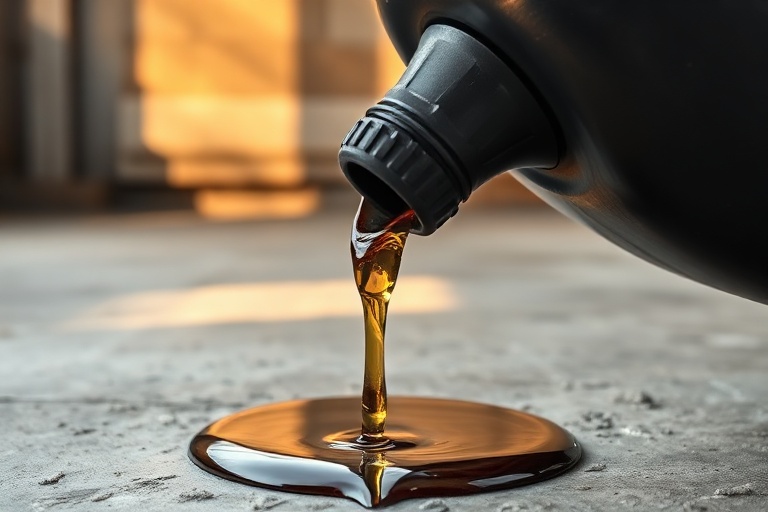
Understanding Engine Oil: The Lifeblood of Your Vehicle
Engine oil plays a crucial role in the functioning and longevity of any vehicle. It lubricates the moving parts of the engine, reducing friction and wear, while also helping to dissipate heat. Over time, engine oil degrades and loses its effectiveness, making regular changes essential for optimal performance.
Types of Engine Oil
There are several types of engine oil available on the market, each designed for specific needs and vehicle requirements. The main categories include:
- Conventional Oil: Refined from crude oil, this is the most basic type of engine oil. It’s typically less expensive but may not provide the best protection for high-performance engines.
- Synthetic Oil: Engineered in laboratories, synthetic oil offers superior performance and protection, especially in extreme temperatures. It’s often recommended for newer vehicles.
- High-Mileage Oil: Designed for vehicles with over 75,000 miles, this type contains additives that help reduce oil consumption and prevent leaks.
- Diesel Oil: Specifically formulated for diesel engines, this oil has different additives to handle the unique demands of diesel combustion.
Choosing the Right Engine Oil
Selecting the appropriate engine oil is essential for maintaining your vehicle’s health. Factors to consider include:
- Viscosity: This refers to the thickness of the oil and its ability to flow at different temperatures. The viscosity rating, such as 5W-30, indicates how the oil performs in cold and hot conditions.
- Manufacturer Recommendations: Always check your vehicle’s owner manual for specific oil recommendations. Using the wrong type can lead to engine damage.
- Driving Conditions: If you frequently drive in extreme temperatures, heavy traffic, or tow heavy loads, consider using synthetic oil for better protection.
Benefits of Regular Oil Changes
Regular oil changes are vital for the overall health of your engine. Here are some key benefits:
- Improved Engine Performance: Fresh oil ensures that the engine runs smoothly and efficiently.
- Increased Fuel Efficiency: Clean oil reduces friction, which can lead to better fuel economy.
- Extended Engine Life: Regular maintenance helps prevent costly repairs and prolongs the life of your vehicle.
Most manufacturers recommend changing engine oil every 3,000 to 7,500 miles, but this can vary based on the type of oil used and driving conditions. Keeping track of your oil change schedule is essential for maintaining your vehicle’s performance.
Environmental Considerations
Engine oil disposal is an often-overlooked aspect of vehicle maintenance. Used oil can be harmful to the environment if not disposed of properly. Many auto shops and recycling centers accept used oil for recycling, helping to reduce pollution and conserve resources.
Moreover, opting for synthetic oils can sometimes lead to fewer changes overall, as they tend to last longer than conventional oils. This can reduce the overall environmental impact of oil production and disposal.
Conclusion
Engine oil is more than just a lubricant; it is essential for the efficient operation and longevity of your vehicle. Understanding the different types of oil, how to choose the right one, and the importance of regular changes can significantly impact your vehicle’s performance and lifespan. For more information on automotive care, check out our automotive section or explore our maintenance tips.