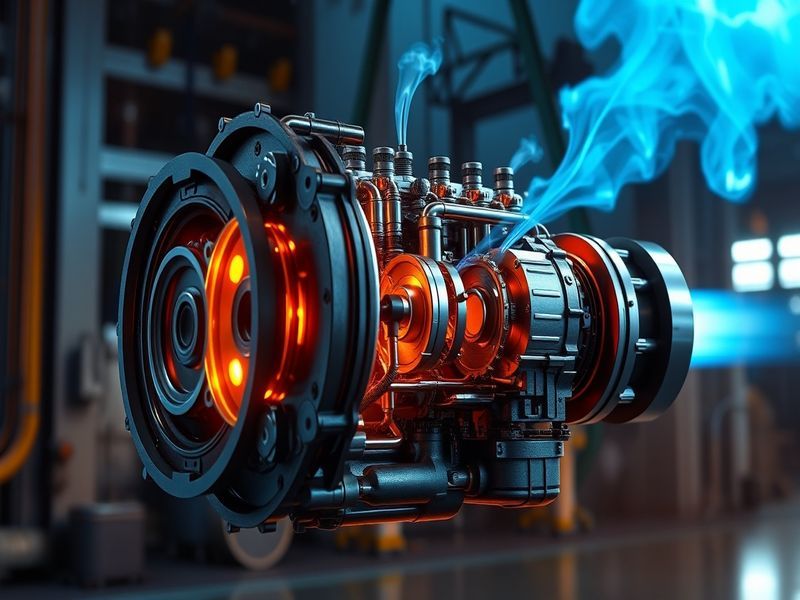
Diesel fuel remains a cornerstone of global transportation and industrial operations, despite growing scrutiny over its environmental impact. Unlike gasoline, diesel offers higher energy density and efficiency, making it the preferred choice for heavy-duty vehicles, shipping, and machinery. However, the fuel’s future is increasingly debated as governments push for cleaner alternatives. Understanding diesel’s role requires examining its technical advantages, environmental trade-offs, and the evolving regulatory landscape.
The Science Behind Diesel Fuel
Diesel fuel is a hydrocarbon-based liquid derived from crude oil through a refining process that isolates heavier components than those used in gasoline. Its energy content is roughly 10-15% higher per gallon compared to gasoline, which translates to better fuel economy in vehicles. The fuel’s compression-ignition mechanism—where air is compressed until it ignites the fuel—also contributes to its efficiency by eliminating the need for spark plugs.
Key characteristics of diesel fuel include:
- Cetane rating: Measures ignition quality; higher ratings mean faster, more complete combustion.
- Energy density: Approximately 38.6 MJ per liter, compared to 34.2 MJ for gasoline.
- Viscosity: Thicker than gasoline, requiring careful handling in cold temperatures to prevent gelling.
- Sulfur content: Historically high in conventional diesel, though modern ultra-low-sulfur diesel (ULSD) reduces this significantly.
These properties make diesel ideal for long-haul trucking, agricultural equipment, and marine engines, where endurance and torque outweigh speed. Yet, the fuel’s composition also contributes to its environmental drawbacks, particularly in urban areas where particulate emissions can worsen air quality.
Environmental Impact and Regulatory Shifts
Diesel’s reputation has been marred by its association with nitrogen oxides (NOx) and particulate matter (PM), pollutants linked to respiratory diseases and smog. The 2015 Volkswagen emissions scandal exposed how some diesel vehicles were engineered to cheat emissions tests, further eroding public trust. In response, governments worldwide have tightened regulations, mandating cleaner-burning fuels and stricter vehicle standards.
Europe, once a stronghold for diesel passenger cars due to tax incentives, has seen a sharp decline in their popularity. The European Union’s Euro 6d emissions standards now require near-zero NOx and PM emissions, pushing automakers toward hybrid and electric alternatives. Meanwhile, the U.S. Environmental Protection Agency (EPA) has phased out older diesel engines in favor of newer, cleaner models, particularly in freight and public transit sectors.
Despite these challenges, diesel is not disappearing entirely. Innovations in synthetic diesel (produced from renewable sources) and biodiesel blends are offering a bridge toward sustainability. Companies like Neste and BP are investing in renewable diesel plants, which can reduce lifecycle carbon emissions by up to 80% compared to conventional diesel.
Diesel in the Global Economy
Diesel’s economic footprint extends far beyond fuel pumps. The freight industry, which moves 70% of U.S. goods by weight, relies almost exclusively on diesel-powered trucks. Shipping and aviation also depend on diesel-derived fuels for long-distance travel, where battery-electric solutions remain impractical. In agriculture, diesel engines power tractors and harvesters, enabling large-scale food production.
Agricultural diesel consumption alone accounts for about 5% of total U.S. diesel use, highlighting its role in food security. Globally, diesel demand remains resilient in developing economies where infrastructure for electric grids and charging stations is still developing. Even as electric vehicles gain traction in passenger cars, diesel’s dominance in heavy industry ensures its continued relevance—for now.
However, this dependence creates vulnerabilities. Supply chain disruptions, such as the 2022 Russia-Ukraine conflict, exposed how quickly diesel prices could surge. The U.S. Strategic Petroleum Reserve has been tapped to stabilize markets, underscoring diesel’s geopolitical significance. As nations seek energy independence, the push for alternative fuels may reshape diesel’s role in the global economy.
The Future of Diesel: Challenges and Opportunities
Diesel’s future hinges on two critical factors: decarbonization and technological adaptation. The Biden administration’s Inflation Reduction Act includes incentives for clean diesel technologies, such as advanced emissions controls and renewable diesel production. Meanwhile, companies like Cummins and Caterpillar are developing engines that run on hydrogen and ammonia, offering potential pathways to zero-emission diesel alternatives.
Yet, the transition won’t be seamless. Infrastructure for renewable diesel remains limited, and costs are higher than conventional diesel. For industries like shipping, which accounts for nearly 3% of global CO2 emissions, liquefied natural gas (LNG) and ammonia-powered engines are being explored as interim solutions until hydrogen becomes viable. The timeline for these changes varies by sector, with some industries moving faster than others.
For consumers, the shift may be more immediate. Diesel passenger cars have all but vanished from U.S. showrooms, though they remain popular in markets like India and Brazil. Automakers like Ram and Ford still offer diesel pickup trucks, catering to buyers who prioritize towing capacity and longevity over emissions concerns. However, as electric trucks like the Tesla Semi and Freightliner eCascadia enter the market, diesel’s dominance in these segments could wane within a decade.
Conclusion: A Fuel in Transition
Diesel fuel stands at a crossroads. Its efficiency and durability have made it indispensable for decades, but environmental pressures and technological advancements are forcing a reckoning. While renewable diesel and synthetic fuels offer a path forward, the transition will require significant investment and innovation. For industries reliant on diesel, the message is clear: adapt or risk obsolescence.
The coming years will determine whether diesel evolves into a cleaner, sustainable fuel or fades into the background as alternatives take center stage. One thing is certain—its legacy as a backbone of global industry is secure, even as its future remains uncertain.
For those interested in the broader implications of fuel technology, explore our Technology and Automotive sections for deeper analysis.