Voting is the cornerstone of democratic societies, yet for millions of people worldwide, simply locating a polling station can be a challenge. Whether due to urban sprawl, rural isolation, or outdated systems, access to polling places remains uneven across the globe. This issue affects voter turnout, political representation, and the legitimacy of elections. Understanding how different countries handle polling station accessibility reveals much about their electoral infrastructure—and their commitment to inclusive democracy.
The Urban-Rural Divide in Polling Station Access
In many developed nations, urban voters enjoy the convenience of polling stations within walking distance, while rural residents often face long commutes. The United States exemplifies this divide. During the 2020 presidential election, urban voters in cities like New York and Chicago had polling places within a few blocks, but rural voters in states like Wyoming or Montana sometimes traveled over an hour to reach their designated precinct. This disparity disproportionately affects elderly, low-income, and disabled voters, who may lack reliable transportation.
Europe presents a mixed picture. Countries like Germany and Sweden have invested in mobile polling stations that travel to remote areas, ensuring no voter is left behind. Meanwhile, France’s system relies heavily on urban infrastructure, leaving rural communes to improvise. In some cases, local mayors temporarily convert town halls or schools into polling places—a solution that works for small populations but strains resources in larger rural districts.
Asia faces unique challenges. In densely populated cities like Mumbai or Jakarta, polling stations are abundant, but overcrowding leads to long wait times. Conversely, Indonesia’s archipelago geography forces voters in remote islands to travel by boat or plane, sometimes for days, to reach polling stations. The government has experimented with early voting and mobile ballot boxes, but logistical hurdles persist. These variations highlight how geography shapes electoral accessibility.
Innovation and Technology: Can Digital Tools Solve the Problem?
As digital tools reshape daily life, some countries are testing whether technology can improve polling station access. Estonia, a pioneer in e-governance, allows citizens to vote online, reducing the need to visit physical polling stations altogether. While this model eliminates location-based barriers, it raises concerns about cybersecurity and the digital divide—older or rural voters may lack internet access or struggle with online platforms.
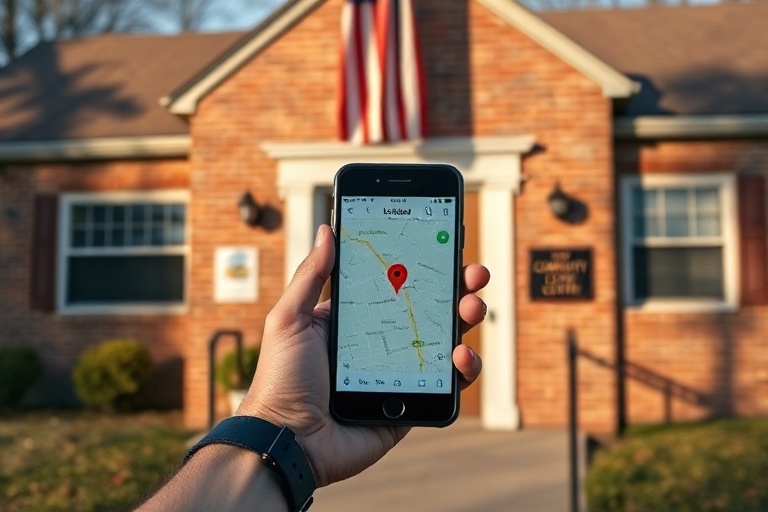
Other nations are taking hybrid approaches. India, the world’s largest democracy, has deployed GPS-enabled polling station locators through its Election Commission app, helping voters find their nearest booth. The app also provides real-time data on wait times and crowd levels, allowing voters to choose less busy locations. Similarly, Brazil’s electronic voting system includes a polling station finder, though critics argue it favors urban centers where internet access is more reliable.
Not all technological solutions are digital. In parts of Africa, community radio stations broadcast polling station locations in local languages, reaching populations with limited internet access. This low-tech approach ensures that even in areas with poor connectivity, voters receive critical information. The lesson is clear: technology can help, but it must be adapted to local contexts to avoid exacerbating existing inequalities.
Cultural and Political Factors Shaping Polling Access
Polling station access is not just a logistical issue—it’s deeply influenced by culture and politics. In some countries, polling stations are deliberately placed in inconvenient locations to suppress turnout among certain groups. The United States has a long history of this practice, known as gerrymandering or voter suppression. During the Jim Crow era, polling places in Black communities were often moved far from town centers or placed in hostile environments, such as sheriff’s offices. While overt discrimination has declined, subtler forms persist today. For example, closing polling places in minority neighborhoods under the guise of “efficiency” can disenfranchise thousands.
Religious and social norms also play a role. In conservative societies like Saudi Arabia, women were historically barred from voting, and polling stations were not designed to accommodate female voters. Since women gained the right to vote in 2015, the government has worked to improve access by designating women-only polling places in some areas. Similarly, in parts of India, women face social restrictions on traveling alone to polling stations, leading to lower turnout. Grassroots organizations have responded by organizing women-led polling station tours and transportation services to encourage participation.
Political will is perhaps the most critical factor. Countries that prioritize electoral integrity invest in infrastructure, training, and outreach. For instance, South Korea’s National Election Commission provides free shuttle buses to polling stations on election day, particularly in mountainous regions. In contrast, nations with weak governance often neglect polling station accessibility, contributing to voter apathy and distrust in the system. The contrast between these approaches underscores how access—or the lack thereof—can shape a nation’s democratic health.
Lessons and Solutions for a More Accessible Future
Improving polling station access requires a multi-faceted approach that combines technology, policy, and community engagement. Here are some strategies that have shown promise:
- Decentralized Polling: Expanding the number of polling stations reduces wait times and travel burdens. Countries like Germany and New Zealand have adopted this model, with stations located in supermarkets, libraries, and community centers. This approach not only improves access but also normalizes voting as part of daily life.
- Mobile Polling Units: Vehicles equipped with voting machines can reach remote or underserved areas. Australia uses mobile polling stations for remote Indigenous communities, while Canada has deployed them for northern regions. These units must be well-publicized and timed to align with local needs.
- Multilingual Outreach: Polling station information should be available in all major languages spoken in a region. In Canada, Elections Canada provides voter guides in over 30 languages, including Indigenous dialects. Similarly, Switzerland’s multilingual cantons ensure that polling materials are accessible to linguistic minorities.
- Community Partnerships: Collaborating with local organizations can help identify and address barriers. In the U.S., groups like the League of Women Voters partner with rideshare companies to offer free transportation to polling stations. In Kenya, civil society organizations work with election officials to map polling stations and ensure they are ADA-compliant.
- Transparency and Accountability: Governments should publish data on polling station accessibility, including wait times, distances traveled, and demographic breakdowns. Open data initiatives, like those in Estonia and Uruguay, allow citizens to hold officials accountable and advocate for improvements.
The fight for equitable polling station access is far from over, but progress is possible. Countries that prioritize inclusivity in their electoral systems set a standard for democratic resilience. As technology advances and global awareness grows, the goal of universal access inches closer to reality. For voters, the message is clear: your right to vote is only as strong as the system that delivers it. Demanding better access isn’t just about convenience—it’s about preserving the integrity of democracy itself.
For those looking to get involved, supporting organizations that advocate for voting rights can make a difference. Whether through volunteering, donating, or simply spreading awareness, every action helps bridge the gap between voters and their polling stations. In the end, democracy thrives when every voice can be heard—and every vote can be cast.