RTE Sport stands as the cornerstone of sports broadcasting in Ireland, delivering live coverage, analysis, and storytelling that resonate with audiences nationwide. As part of Raidió Teilifís Éireann (RTÉ), Ireland’s national broadcaster, RTE Sport has built a reputation for comprehensive coverage of major sporting events, from Gaelic games to international competitions. Its blend of traditional broadcasting and digital innovation ensures that sports fans have access to content whenever and wherever they want it.
The service has evolved significantly since its inception, adapting to changing viewer habits while maintaining its commitment to high-quality journalism and live reporting. With a dedicated team of commentators, analysts, and producers, RTE Sport remains a trusted source for sports enthusiasts across Ireland. Below, we explore its history, programming, digital presence, and cultural impact in greater detail.
History and Evolution of RTE Sport
RTE Sport traces its roots back to the early days of Irish television. Launched in the 1960s, it quickly became a vital platform for broadcasting major sporting events, including the All-Ireland Gaelic football and hurling finals. These championships, deeply embedded in Irish culture, drew massive audiences and cemented RTE Sport’s role as a national institution.
By the 1980s and 1990s, RTE Sport expanded its coverage to include international events such as the Olympic Games, FIFA World Cup, and UEFA European Championships. The introduction of satellite television in the late 1990s further broadened its reach, allowing Irish viewers to access a wider range of sports. Today, RTE Sport continues to evolve, embracing streaming services and on-demand content to meet the demands of modern audiences.
One of its most significant milestones came in 2015 with the launch of RTE Sport Online, which provided live streaming, highlights, and exclusive behind-the-scenes content. This digital expansion ensured that RTE Sport remained relevant in an era dominated by social media and digital platforms.
Programming and Key Coverage
RTE Sport’s programming lineup reflects its commitment to diversity and inclusivity. Its flagship shows include Sport on Saturday and Sport on Sunday, which provide in-depth analysis and live updates from various sporting disciplines. Gaelic games, in particular, receive extensive coverage, with live broadcasts of All-Ireland finals, league matches, and provincial championships.
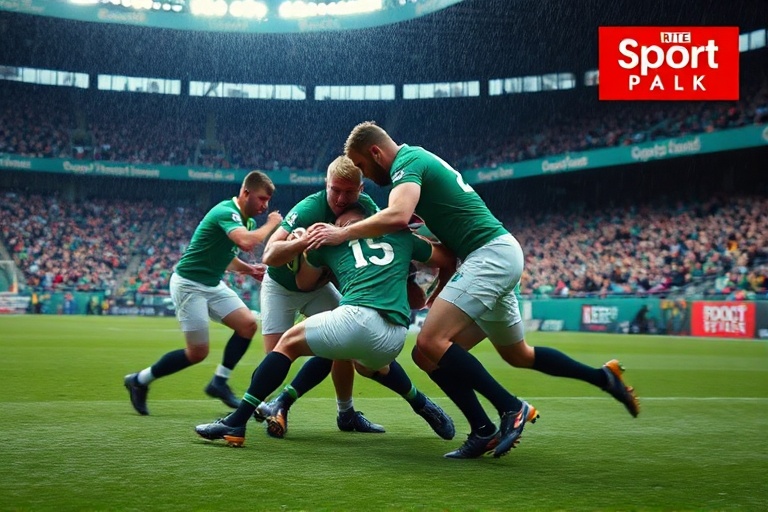
The service also dedicates significant airtime to soccer, rugby, and athletics. For instance, RTE Sport has been the primary broadcaster of the UEFA Champions League in Ireland for decades, offering expert commentary and exclusive interviews. Rugby fans, meanwhile, rely on RTE for coverage of the Six Nations Championship and Heineken Champions Cup, with analysts like George Hook and Brent Pope providing insights.
A key strength of RTE Sport lies in its ability to balance mainstream sports with niche interests. Gaelic football and hurling, which enjoy unparalleled popularity in Ireland, are complemented by coverage of boxing, golf, and even niche sports like camogie and hurling. This diversity ensures that RTE Sport appeals to a broad demographic, from casual viewers to hardcore enthusiasts.
Notable RTE Sport Programs
- The Sunday Game: The definitive show for Gaelic football and hurling, featuring live matches, expert analysis, and player interviews.
- Rugby on RTE: Comprehensive coverage of international and domestic rugby, including the Six Nations and Heineken Champions Cup.
- Soccer Republic: A weekly soccer show that dissects the latest Premier League, Champions League, and international matches.
- RTE Sport Live: A digital-first platform offering live streams, highlights, and exclusive content across multiple sports.
The Digital Transformation of RTE Sport
The shift toward digital platforms has been one of the most transformative developments for RTE Sport. Recognizing the changing habits of younger audiences, RTE launched RTE Sport Online, a dedicated hub for live streaming, on-demand content, and interactive features. This platform allows users to watch matches, catch up on highlights, and engage with content via social media.
Social media plays a crucial role in RTE Sport’s digital strategy. Its Twitter, Facebook, and Instagram accounts provide real-time updates, behind-the-scenes footage, and interactive polls. For example, during major tournaments like the FIFA World Cup, RTE Sport’s social media channels become hubs of activity, with fans engaging in discussions and sharing their opinions.
Another innovation is the RTE Sport app, which offers personalized content, live scores, and push notifications for breaking news. This app caters to the modern viewer who demands flexibility and convenience. By embracing these digital tools, RTE Sport ensures that it remains accessible to audiences who prefer streaming over traditional television.
Challenges and Opportunities in the Digital Age
- Competition with Streaming Services: Platforms like Amazon Prime and DAZN have entered the sports broadcasting market, offering exclusive rights to major events. RTE Sport must continue innovating to retain its audience.
- Engaging Younger Audiences: While traditional sports like Gaelic games remain popular, younger viewers often prefer esports and niche sports. RTE Sport is exploring ways to bridge this gap.
- Monetization: As digital content becomes more prevalent, RTE Sport faces the challenge of balancing free access with revenue generation through subscriptions and advertising.
Cultural Impact and Community Engagement
Beyond its role as a broadcaster, RTE Sport holds a unique place in Irish culture. Major sporting events, such as the All-Ireland finals, are not just competitions but national gatherings that unite communities. RTE Sport’s coverage of these events fosters a sense of shared identity and pride, reinforcing its status as a cultural institution.
The service also plays a vital role in grassroots sports development. Through initiatives like RTE Sport’s School Sports, it promotes participation in physical activity among young people. These programs often feature local athletes and coaches, highlighting the importance of community engagement in sports.
Moreover, RTE Sport’s coverage extends beyond the pitch or field. Its documentaries and feature-length programs, such as The Road to Croker and Rugby: A Family Affair, delve into the personal stories of athletes, coaches, and fans. These narratives humanize sports, making them relatable to a broader audience.
In times of crisis, RTE Sport has also stepped up to support the community. During the COVID-19 pandemic, it aired special programs to keep fans connected to their favorite sports, even when live events were canceled. This adaptability underscores RTE Sport’s commitment to its audience.
Looking Ahead: The Future of RTE Sport
The future of RTE Sport will likely be shaped by technological advancements and changing viewer preferences. Virtual reality (VR) and augmented reality (AR) present exciting opportunities for immersive sports coverage. Imagine watching a hurling match from the perspective of a player or experiencing a soccer match in VR—these innovations could redefine how audiences engage with sports.
Another area of growth is podcasting. RTE Sport has already launched several successful podcasts, such as The GAA Podcast and Rugby Weekly, which offer in-depth analysis and interviews. As podcasting continues to grow, RTE Sport can leverage this medium to reach new audiences and provide more personalized content.
Sustainability is also becoming a priority. RTE Sport is exploring ways to reduce its carbon footprint, such as minimizing travel for live broadcasts and promoting eco-friendly initiatives. These efforts align with growing public awareness of environmental issues and could enhance RTE Sport’s reputation as a responsible broadcaster.
Ultimately, RTE Sport’s success will depend on its ability to innovate while staying true to its core values. By embracing new technologies, engaging with younger audiences, and maintaining its commitment to high-quality journalism, RTE Sport is poised to remain Ireland’s premier sports broadcasting service for decades to come.
Conclusion
RTE Sport has evolved from a modest television service into a dynamic, multi-platform broadcaster that serves as the heartbeat of Irish sports culture. Its rich history, diverse programming, and commitment to digital innovation have solidified its place in the hearts of Irish sports fans. As it navigates the challenges and opportunities of the modern media landscape, RTE Sport continues to adapt, ensuring that it remains relevant and essential to audiences across Ireland and beyond.
For those looking to stay updated on the latest in Irish sports, RTE Sport offers a reliable and engaging platform. Whether through traditional television broadcasts or digital streaming, it provides the stories, analysis, and live action that define the sporting experience in Ireland.