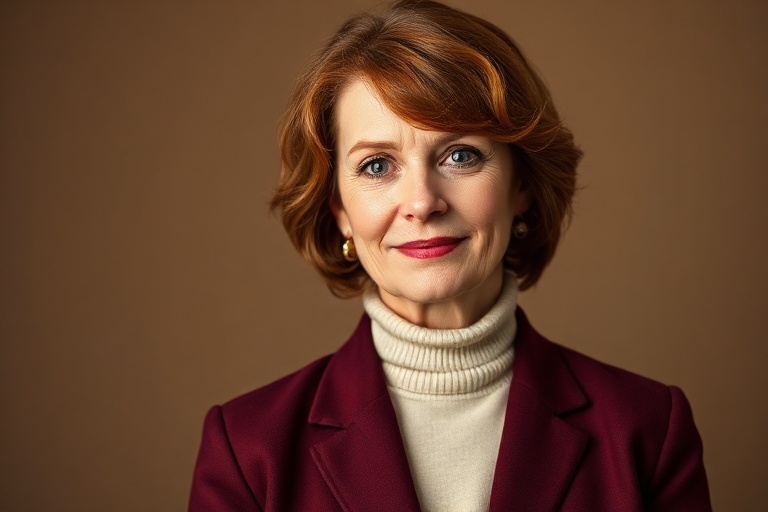
Sarah Lancashire’s name has become synonymous with British television drama. For more than three decades, she has delivered performances that resonate across generations and cultures. From gritty northern working-class roles to aristocratic period pieces, Lancashire’s versatility has cemented her status as one of the United Kingdom’s most respected actors.
Born in Oldham, Lancashire, in 1964, she grew up in a working-class family with strong community ties. This background later informed some of her most iconic roles. Her journey from local theatre to national television offers a fascinating look at how working-class talent has shaped British storytelling. Unlike many actors who relocate to London early in their careers, Lancashire remained rooted in the North, a choice that has only enhanced her authenticity on screen.
Early Life and Breakthrough Role
Lancashire’s first major professional role came in 1990 with the ITV soap opera Coronation Street. She played the feisty and ambitious Raquel Wolstenhulme, a hairdresser who rose from humble beginnings to become a central figure in the show. Raquel’s sharp wit and emotional depth showcased Lancashire’s ability to balance humor with vulnerability.
Her time on Coronation Street lasted nearly five years, during which she became a household name in the UK. The role wasn’t just a career milestone—it was a cultural touchstone. Working-class women in British media were rarely given such layered, dynamic roles at the time, and Raquel became an empowering figure for many viewers. The character’s storylines, from financial struggles to romantic entanglements, reflected real-life experiences, making Lancashire’s portrayal deeply relatable.
From Soap to Prestige Drama
After leaving Coronation Street in 1995, Lancashire made a strategic pivot toward prestige television. She took on a leading role in the BBC’s Clocking Off, a groundbreaking drama series set in a Manchester factory. The show explored working-class life with unflinching honesty, a theme Lancashire embraced wholeheartedly. Her portrayal of Alison Grafton, a factory worker navigating personal and professional challenges, earned critical acclaim and further established her as a dramatic powerhouse.
In 1998, she starred in Where the Heart Is, a long-running ITV drama about life in a rural Yorkshire community. The series ran for a decade, and Lancashire’s role as social worker Kate Ashurst became one of her most enduring. The show’s gentle yet poignant storytelling resonated with audiences, particularly in an era when British television was increasingly focused on urban narratives. Where the Heart Is demonstrated Lancashire’s ability to carry a series with quiet strength and emotional intelligence.
International Recognition and Period Drama Mastery
By the 2000s, Lancashire had transitioned into period dramas, a genre where she excelled. Her role as Caroline Bingley in the 1995 BBC adaptation of Pride and Prejudice marked an early foray into historical drama. Though a supporting role, it highlighted her ability to embody characters from different social strata with precision and charm.
Her most internationally recognized performance came in 2012 with Last Tango in Halifax, a BBC drama about two elderly people reigniting a romance decades after their youth. Lancashire played Caroline, the daughter of one of the leads, a successful barrister navigating family secrets and personal ambition. The show’s exploration of aging, love, and generational change struck a chord globally, earning multiple awards and solidifying Lancashire’s reputation beyond British shores.
In 2015, she took on the role of Queen Victoria in the ITV series Victoria. The show, which chronicled the early years of Victoria’s reign, required Lancashire to embody both the regal authority and the personal vulnerabilities of a young queen. Critics praised her nuanced performance, noting how she balanced the character’s public persona with intimate moments of doubt and passion. The series became a global success, streaming on platforms from the U.S. to Australia, introducing Lancashire to new audiences worldwide.
Cultural Impact and Legacy
Sarah Lancashire’s career offers more than just a timeline of roles—it reflects broader shifts in British television and society. Her ability to portray working-class women with dignity and complexity helped redefine on-screen representation. In an industry often dominated by middle- and upper-class narratives, Lancashire’s characters provided a counterbalance, offering authenticity to stories rooted in everyday life.
Her influence extends beyond acting. Lancashire has become a cultural figure who embodies resilience, adaptability, and artistic integrity. Whether in gritty northern dramas or lavish period pieces, she has maintained a consistent presence without sacrificing depth or originality. In interviews, she often speaks about the importance of storytelling that reflects real life, a principle that has guided her choices throughout her career.
Lancashire’s work has also intersected with broader trends in global television. As streaming services expand, British actors like her have found new platforms for their craft. Shows like Happy Valley, in which she starred as a no-nonsense police sergeant in 2014, have gained international followings, proving that British television can compete with global giants. Lancashire’s involvement in such projects underscores her role as a bridge between traditional British storytelling and modern global audiences.
Beyond her acting, Lancashire has used her platform to advocate for social issues, particularly those affecting women and working-class communities. She has spoken openly about the challenges faced by actors from non-privileged backgrounds and the importance of inclusive casting. Her voice carries weight in an industry that is still grappling with diversity and representation.
Notable Performances at a Glance
- Raquel Wolstenhulme in Coronation Street (1990–1995) – A defining working-class role that launched her career.
- Alison Grafton in Clocking Off (2000–2002) – A groundbreaking portrayal of a factory worker in a Manchester drama.
- Kate Ashurst in Where the Heart Is (1998–2006) – A decade-long role as a compassionate social worker in rural Yorkshire.
- Caroline in Last Tango in Halifax (2012–2020) – A nuanced performance in a critically acclaimed drama about aging and family.
- Queen Victoria in Victoria (2016–2019) – A regal yet human portrayal of the iconic monarch.
- Sgt. Catherine Cawood in Happy Valley (2014–2023) – A gritty, award-winning role as a police officer in West Yorkshire.
A Career Still Evolving
Even after more than 30 years in the industry, Sarah Lancashire shows no signs of slowing down. Recent roles include Julia, a 2022 BBC drama about a single mother navigating life in 1960s Manchester. The series allowed her to revisit themes of working-class resilience while exploring the challenges faced by women in a rapidly changing society.
She has also ventured into comedy, proving her range extends far beyond drama. Her appearance in The Great, a satirical comedy-drama about Catherine the Great, demonstrated her ability to balance wit with historical gravitas. Lancashire’s willingness to take risks and embrace new genres keeps her career fresh and relevant.
Looking ahead, Lancashire remains a vital force in British television. Whether through continued collaborations with the BBC, ITV, or new streaming platforms, her presence ensures that authentic, character-driven storytelling remains at the heart of the medium. For audiences around the world, she represents the best of British acting: grounded, versatile, and deeply human.