sequoia national park
Giant Trees and Ancient Wonders: The Timeless Allure of Sequoia National Park
Nestled in the southern Sierra Nevada mountains of California, Sequoia National Park stands as a testament to nature’s grandeur. Established in 1890, it is the second-oldest national park in the United States, predating the National Park Service itself. The park’s crown jewel is the General Sherman Tree, the largest living organism on Earth by volume, a fact that continues to captivate visitors from every corner of the globe. But Sequoia is more than just a monument to size—it is a living museum of ecological resilience, cultural significance, and human inspiration.
At an elevation ranging from 1,300 to 14,505 feet, Sequoia National Park spans over 404,000 acres, offering a diverse tapestry of landscapes. From the lush meadows of the Kaweah River valley to the stark, windswept peaks of the Great Western Divide, the park embodies the extremes of the natural world. Its forests, dominated by the towering giant sequoias (Sequoiadendron giganteum), have thrived for millennia, surviving ice ages and human encroachment. Yet, their survival is not guaranteed. Climate change, wildfires, and invasive species pose existential threats to these ancient giants, making Sequoia a critical battleground in global conservation efforts.
The park’s cultural footprint extends far beyond its borders. Indigenous tribes, including the Western Mono (Monache) and Western Shoshone, have stewarded these lands for thousands of years. Their traditions, stories, and deep ecological knowledge are woven into the fabric of Sequoia. In the late 19th and early 20th centuries, the park became a symbol of America’s burgeoning conservation movement, championed by figures like naturalist John Muir and President Theodore Roosevelt. Today, Sequoia serves as a global case study in balancing preservation with public access, a model that influences national parks worldwide.
The Giant Sequoias: Living Relics of a Vanished Era
The giant sequoias of Sequoia National Park are among the oldest and most awe-inspiring organisms on the planet. Some, like the General Sherman Tree, are believed to be over 2,200 years old, their rings recording centuries of climate shifts, droughts, and fires. These trees can grow to heights of 275 feet and diameters of 25 feet, with bark that can exceed two feet in thickness—nature’s armor against the elements. Their sheer scale defies human comprehension; standing at the base of one, visitors often feel a humbling sense of insignificance.
The groves where these giants reside are not merely collections of trees but ecosystems unto themselves. The sequoias rely on a delicate balance of fire, water, and soil. Historically, low-intensity fires cleared competing vegetation, recycled nutrients, and encouraged new growth. However, a century of fire suppression has disrupted this cycle, allowing underbrush to accumulate and turning the forest into a tinderbox. The 2020 Castle Fire, which scorched over 174,000 acres in Sequoia and neighboring Kings Canyon National Parks, underscored the urgency of restoring natural fire regimes. Efforts like prescribed burns and mechanical thinning are now underway, but the window for intervention is narrow.
Beyond their ecological role, the giant sequoias hold profound cultural significance. For the Western Mono people, these trees were not just resources but living ancestors. Their bark was used to construct dwellings, their branches for tools, and their presence in ceremonies symbolized strength and longevity. Today, the park collaborates with Indigenous communities to integrate traditional ecological knowledge into modern conservation strategies. This partnership is part of a broader movement to decolonize conservation, recognizing that Indigenous stewardship is often the most effective form of land management.
Adventure and Solitude: Exploring Sequoia’s Diverse Landscapes
Sequoia National Park is a playground for adventurers and seekers of solitude alike. The park’s trails cater to all levels of experience, from the relatively easy stroll to the General Sherman Tree—a 0.8-mile round trip—to the grueling ascent of Mount Whitney, the highest peak in the contiguous United States. For those willing to venture off the beaten path, the High Sierra Trail offers a week-long trek through alpine meadows, granite canyons, and high-country passes. The solitude found in these remote areas is a rare commodity in today’s crowded world, a reminder of the value of wilderness in an increasingly urbanized society.
The park’s rivers and waterfalls add another layer of allure. The Kaweah River, fed by melting snowpack, carves through the landscape, creating cascades like Tokopah Falls, which drops 1,200 feet in a series of tiers. In spring and early summer, the water is at its most powerful, roaring through the canyon with a force that can only be described as primal. Anglers, hikers, and photographers flock to these areas, drawn by the promise of pristine beauty and untouched wilderness. However, climate change is altering the rhythms of these waterways. Shrinking snowpack and earlier snowmelt are reducing stream flows, threatening both ecosystems and human enjoyment of the park.
For those who prefer to explore from the comfort of their vehicle, Sequoia’s scenic drives offer breathtaking vistas. The Generals Highway, a winding route connecting Sequoia and Kings Canyon National Parks, is a favorite among photographers. Along the way, pullouts provide glimpses of the Great Western Divide, with its jagged peaks and glacier-carved valleys. The park also hosts a variety of ranger-led programs, from guided hikes to astronomy nights, catering to families and solo travelers alike. These programs not only educate but also foster a deeper connection to the land, encouraging visitors to become stewards of Sequoia’s future.
The Global Stage: Sequoia as a Model for Conservation
Sequoia National Park is more than a local treasure; it is a global symbol of conservation. The challenges it faces—climate change, wildfires, biodiversity loss—are not unique. National parks in Europe, Africa, and South America grapple with similar issues, making Sequoia a living laboratory for solutions. The park’s fire management strategies, for instance, have been studied by conservationists in Australia and Canada, where megafires have become increasingly common. Similarly, its efforts to restore degraded meadows and riparian zones serve as a blueprint for rewilding projects across the globe.
The park’s role in climate change research is equally significant. Scientists from institutions worldwide conduct studies in Sequoia, monitoring everything from soil microbiomes to tree growth rates. These studies provide critical data on how forests adapt to rising temperatures and shifting precipitation patterns. The General Sherman Tree, with its well-documented growth rings, is a particularly valuable subject for dendrochronologists. By analyzing its wood, researchers can reconstruct historical climate conditions, offering insights into how the planet has changed over millennia—and how it might change in the future.
Sequoia’s influence extends into the cultural and economic realms as well. The park generates over $200 million annually in economic activity for local communities, supporting everything from hospitality to outdoor gear industries. Travel writers and influencers frequently highlight Sequoia as a must-visit destination, further amplifying its global profile. However, this popularity comes with its own set of challenges. Overcrowding, littering, and habitat degradation are growing concerns, prompting the National Park Service to implement reservation systems and stricter visitor guidelines. Balancing accessibility with preservation is a delicate act, one that Sequoia is helping to define for parks worldwide.
Beyond its practical applications, Sequoia National Park holds a mirror to humanity’s relationship with nature. It challenges us to confront our role as both beneficiaries and caretakers of the natural world. In an era where environmental degradation is accelerating, places like Sequoia remind us of what is at stake—and what we stand to lose. The giant sequoias, with their patient endurance, offer a lesson in resilience. Their survival depends on our actions today, making Sequoia not just a park, but a moral imperative.
A Legacy Worth Protecting
Sequoia National Park is a paradox—a place of immense power and fragile beauty. It is a repository of ancient wisdom and a battleground for the future of our planet. For those who visit, it is an experience that lingers long after the trip ends. The sight of a sequoia’s colossal trunk, the sound of a mountain stream, the scent of pine and earth—these sensory impressions become part of the visitor’s identity, a reminder of the wild places that shape us.
The park’s legacy is not just in its trees or its peaks, but in the stories it inspires. It is a story of survival, of adaptation, and of hope. It is a story that belongs to everyone who has ever stood in awe of nature’s majesty. As climate change and human activity continue to reshape the planet, Sequoia National Park stands as a beacon of what is possible—when we choose to protect, preserve, and prioritize the natural world.
For those who have not yet visited, the question is not whether to go, but when. For those who have, the call to return is irresistible. Sequoia is more than a destination; it is a testament to the enduring power of nature—and our duty to safeguard it for generations to come.
—
METADATA
{
“title”: “Visiting Sequoia National Park: A Guide to Its Giant Trees & Wilderness”,
“metaDescription”: “Discover the grandeur of Sequoia National Park, home to giant sequoias, alpine meadows, and conservation challenges.”,
“categories”: [“Travel”, “Science”],
“tags”: [“Sequoia National Park”, “giant sequoias”, “California national parks”, “wilderness conservation”, “ecotourism”],
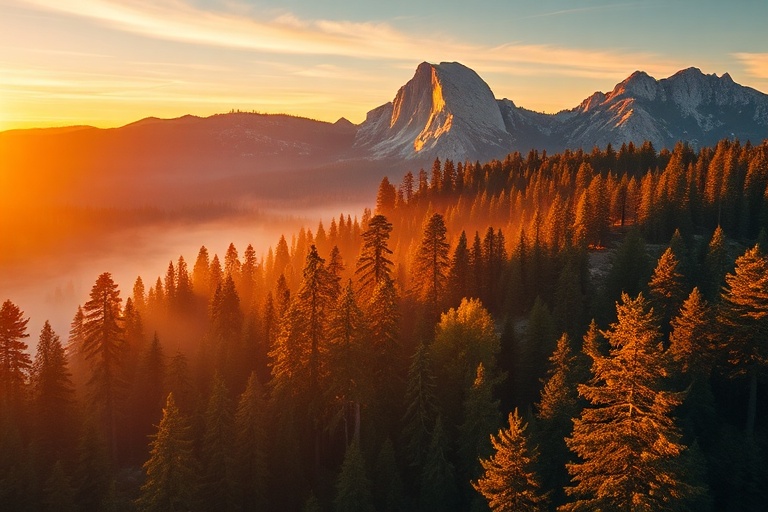
“imageDescription”: “A sunlit view of the General Sherman Tree in Sequoia National Park, surrounded by other giant sequoias with a backdrop of the Sierra Nevada mountains. The scene captures the towering scale of the trees, the dappled sunlight filtering through the canopy, and the rugged beauty of the landscape. The mood is serene and awe-inspiring, evoking a sense of timelessness and natural majesty.”
}
—END METADATA—