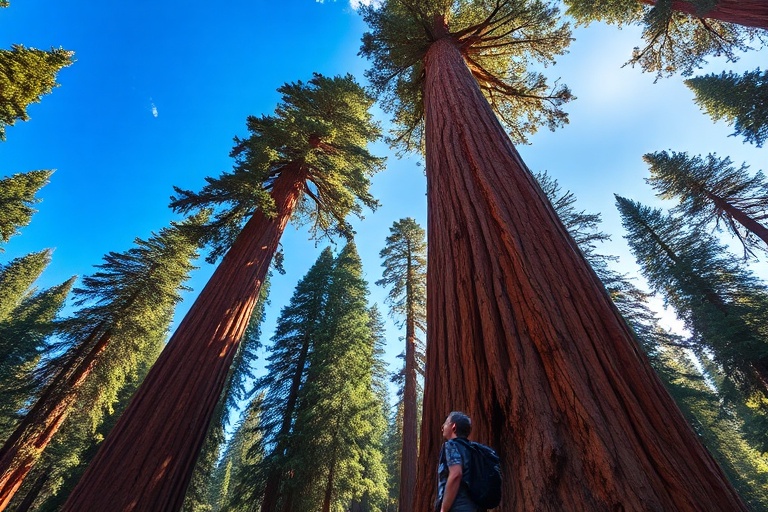
sequoia national park
“`html
Sequoia National Park: A Towering Legacy of Nature’s Grandeur
Nestled in the southern Sierra Nevada mountains of California, Sequoia National Park stands as a monument to nature’s raw power and timeless beauty. Established in 1890, it was America’s second national park, created to protect the giant sequoias—some of the most massive living organisms on Earth. Beyond its iconic trees, the park unfolds as a landscape of rugged peaks, deep canyons, and alpine meadows, offering a sanctuary for biodiversity and human wonder alike.
The park’s most famous resident is the General Sherman Tree, the largest known single-stem tree by volume on the planet. Standing 275 feet tall with a base circumference of 102 feet, it is estimated to be around 2,200 years old. Visitors from across the globe travel to see this natural colossus, often describing the experience as humbling. Its sheer size forces a shift in perspective, reminding observers of the Earth’s capacity for creation over millennia.
Sequoia National Park is not just about one tree, however. It is part of a larger ecosystem that includes the adjacent Kings Canyon National Park, collectively preserving over 400,000 acres of wilderness. The region’s geological history is written in its dramatic topography, from the glacially carved Tokopah Falls to the jagged crest of the Great Western Divide. This landscape has long been a cultural touchstone, first for the Western Mono people, who considered the mountains sacred, and later for settlers who sought both refuge and inspiration in its grandeur.
The Giant Sequoias: Guardians of Time
The sequoias themselves are a marvel of evolutionary adaptation. Their thick, fire-resistant bark can grow up to two feet thick, allowing them to survive wildfires that clear competing vegetation and create space for new growth. Fire, in fact, is essential to their life cycle. The cones of giant sequoias often remain closed until exposed to the heat of a blaze, which then triggers seed release. This ancient relationship between fire and forest underscores a delicate balance—one that modern conservation efforts now strive to maintain.
Climate change poses a growing threat to these ancient trees. Rising temperatures and prolonged droughts increase the risk of catastrophic fires, while shifting precipitation patterns disrupt the delicate ecosystems they depend on. Researchers are closely monitoring the health of sequoia groves, employing both traditional field studies and cutting-edge technology like LiDAR scanning to track changes over time. Their work is crucial in informing strategies to protect these natural wonders for future generations.
The cultural significance of the sequoias extends far beyond their ecological role. For many Indigenous communities, these trees are living ancestors, woven into creation stories and ceremonial practices. In the late 19th and early 20th centuries, the trees became symbols of America’s conservation movement, with figures like John Muir advocating for their preservation. Today, the sequoias continue to inspire artists, writers, and scientists, serving as a global emblem of nature’s resilience and grandeur.
Adventure and Exploration in the High Sierra
Sequoia National Park is a playground for adventurers, offering trails that cater to all levels of experience. The High Sierra Trail, a 41.5-mile route from the foothills to the crest of the Sierra Nevada, is a bucket-list trek for backpackers. It winds through diverse ecosystems, from oak woodlands to subalpine forests, culminating at the stunning Hamilton Lakes. Along the way, hikers encounter waterfalls, alpine lakes, and panoramic vistas that reward every step.
For those seeking a challenge, the ascent of Mount Whitney—the highest peak in the contiguous United States at 14,505 feet—is a rite of passage. The trail begins in Sequoia National Park before crossing into Inyo National Forest, offering a grueling but unforgettable journey. Permits are required, and preparation is key, as the route demands both physical stamina and mental resilience in the face of thin air and unpredictable weather.
Beyond hiking, the park offers opportunities for rock climbing, horseback riding, and even cave exploration. Crystal Cave, a marble cavern adorned with stalactites and underground streams, provides a cool retreat from the summer heat. The park’s rivers and lakes, fed by melting snowpack, are havens for fishing, kayaking, and swimming. In winter, the high country transforms into a snowy wonderland, attracting cross-country skiers and snowshoers.
These activities are not just recreational; they are acts of connection. In a world increasingly dominated by screens and urban sprawl, Sequoia National Park offers a rare chance to disconnect and reconnect with the natural world. It is a place where the rhythm of life is dictated by the seasons, where the air is crisp and the stars shine bright, unobstructed by light pollution. For many, a visit here is not just a vacation but a pilgrimage to the heart of wild America.
The Human Footprint: Conservation in a Changing World
The relationship between humans and Sequoia National Park is complex. While the park is a protected area, it is not immune to the pressures of visitation. In 2023, over 1.2 million people explored its trails and viewpoints, a number that has steadily increased in recent years. This surge in tourism brings economic benefits to nearby communities but also raises concerns about overcrowding, habitat degradation, and the carbon footprint of travel.
Park rangers and conservationists are implementing strategies to mitigate these impacts. Permit systems, timed entry reservations, and shuttle services help manage crowds and reduce traffic congestion. Educational programs teach visitors about Leave No Trace principles, encouraging them to tread lightly and respect the delicate ecosystems. Meanwhile, restoration projects aim to repair damage from past overuse, such as trail erosion and soil compaction.
The park’s role in global conservation extends beyond its borders. Sequoia National Park is part of a network of protected areas that contribute to biodiversity conservation and climate resilience. Giant sequoias, in particular, are a keystone species, supporting a web of life that includes black bears, mule deer, and countless bird species. Their preservation is not just about protecting a single tree but safeguarding an entire ecosystem.
International interest in Sequoia National Park reflects a growing global awareness of the importance of wilderness preservation. Countries around the world are grappling with similar challenges—balancing tourism, conservation, and the impacts of climate change. The lessons learned here could inform strategies for protecting other iconic landscapes, from the rainforests of the Amazon to the glaciers of Patagonia.
A Legacy That Stands the Test of Time
Sequoia National Park is more than a destination; it is a living testament to the enduring power of nature and the human spirit. Its landscapes have inspired generations of artists, from the painters of the Hudson River School to contemporary photographers capturing its mist-shrouded groves. Writers and poets have penned odes to its peaks and valleys, while scientists continue to unlock the secrets of its ancient trees.
The park’s legacy is also one of stewardship. The creation of Sequoia National Park in 1890 marked a turning point in the conservation movement, setting a precedent for future generations. Today, it remains a model for sustainable tourism and environmental protection. As climate change and human activity reshape the planet, places like Sequoia offer a reminder of what is at stake—and what can still be saved.
For those who walk among the giant sequoias, the experience is often described in hushed tones. The sheer scale of the trees, their silent strength, and the quiet of the forest create an atmosphere that feels almost sacred. It is a place where time slows down, where the noise of the modern world fades into the background, and where the grandeur of nature takes center stage.
Sequoia National Park invites visitors to step back, look up, and remember their place in the world. In an era of rapid change, it stands as a steadfast reminder of nature’s ability to endure—and our responsibility to protect it.
Plan Your Visit
Whether you’re drawn by the allure of the giant sequoias, the call of the high country, or the promise of adventure, Sequoia National Park offers something for everyone. Here are a few tips to make the most of your visit:
- Best Time to Visit: Spring and fall offer mild weather and fewer crowds, while summer is ideal for high-country adventures. Winter visits are quieter but limited to lower elevations due to snow.
- Getting There: The park is accessible via Highway 198 from Visalia, California. Public transportation options are limited, so driving or joining a guided tour is recommended.
- Accommodations: Options range from campgrounds within the park to lodges and hotels in nearby Three Rivers. Reservations are essential during peak seasons.
- Permits and Fees: Entry requires a park pass, which can be purchased online or at entrance stations. Backcountry permits are required for overnight stays.
For more information on outdoor adventures in California’s national parks, visit our Travel section. Whether you’re planning a road trip or dreaming of future explorations, Sequoia National Park is a destination that promises to leave a lasting impression.
Preserving the Future
As you leave Sequoia National Park, it’s impossible not to feel a sense of awe—and a sense of duty. The giant sequoias have stood for millennia, but their survival depends on the choices we make today. Supporting conservation efforts, practicing sustainable tourism, and advocating for the protection of wild places are all ways to ensure that these natural wonders endure for generations to come.
Sequoia National Park is more than just a place; it is a legacy. And it is one that we all share the responsibility to protect.
—METADATA—
{
“title”: “Sequoia National Park: America’s Giant Sequoia Sanctuary Explored”,
“metaDescription”: “Discover Sequoia National Park’s ancient giant sequoias, epic hiking trails, and conservation challenges in this in-depth guide.”,
“categories”: [“Travel”, “Science”],
“tags”: [“Sequoia National Park”, “giant sequoias”, “California national parks”, “wilderness conservation”, “High Sierra hiking”],
“imageDescription”: “A misty dawn over a grove of giant sequoias in Sequoia National Park, with shafts of golden sunlight filtering through the towering trunks. The foreground shows a well