Dunfermline: Scotland’s Royal Burgh with a Modern Revival
“`html
Discovering Dunfermline: Scotland’s Hidden Historical Gem
Tucked away in the heart of Fife, Scotland, the royal burgh of Dunfermline often plays second fiddle to its more famous neighbors like Edinburgh and St Andrews. Yet, this unassuming town carries a legacy that stretches back over a thousand years, woven into the very fabric of Scotland’s identity. From its origins as a seat of power for medieval kings to its transformation into a modern cultural hub, Dunfermline’s story is one of resilience, reinvention, and quiet significance.
The Royal Roots of Dunfermline
Dunfermline’s claim to fame begins in the 11th century, when it served as the capital of Scotland under King Malcolm III and his legendary queen, Margaret. The town’s association with royalty didn’t end there. For centuries, Dunfermline was the preferred residence of Scottish monarchs, including David II and James VI. The ruins of Dunfermline Palace, adjacent to the more intact Abbey, stand as silent witnesses to this regal past. The Abbey itself, founded in the 11th century, was the site of numerous royal coronations and burials, including that of Robert the Bruce in 1329.
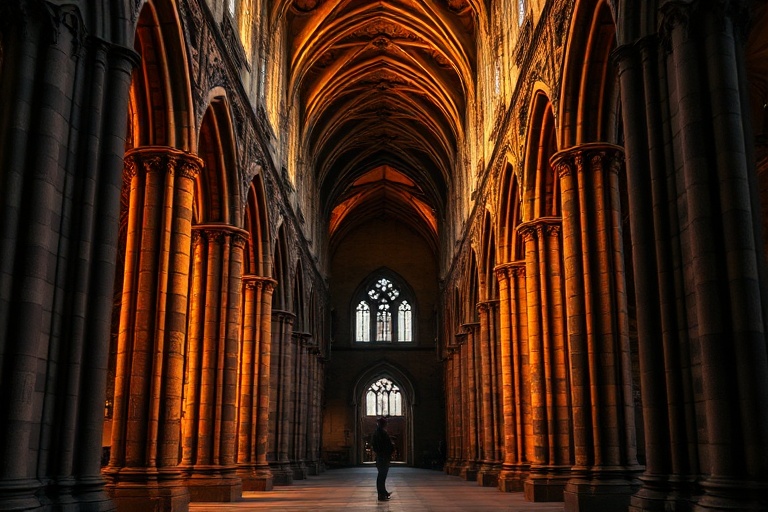
The Abbey’s significance extends beyond its architectural beauty. It was a center of religious and political power, shaping Scotland’s trajectory during some of its most tumultuous periods. Even today, the Abbey’s nave and choir remain impressive, drawing historians and visitors alike to ponder the weight of history embedded in its stones.
From Industrial Boom to Cultural Revival
By the 19th century, Dunfermline had transformed into a thriving industrial town, largely thanks to the linen trade. The industry brought prosperity and growth, leaving behind a legacy of grand Victorian buildings that still line the High Street. However, the decline of the linen trade in the 20th century posed a significant challenge. The town faced economic stagnation, a familiar story for many post-industrial communities across the UK.
Yet, Dunfermline’s story took a turn in the late 20th and early 21st centuries. The town reinvented itself as a cultural and educational hub. The establishment of Carnegie College in 1987 and the expansion of Fife College’s campuses brought new life to the area. Meanwhile, the restoration of historic sites like the Andrew Carnegie Birthplace Museum—honoring the industrialist and philanthropist born in Dunfermline—reinforced the town’s connection to its past while embracing modernity.
A Cultural and Educational Hub
Dunfermline’s cultural scene has flourished in recent years. The town hosts the annual Dunfermline Arts Festival, a celebration of local talent in music, theater, and visual arts. The Alhambra Theatre, a beautifully restored Edwardian venue, has become a focal point for performances, from classical concerts to contemporary comedy. These initiatives have not only enriched the town’s cultural landscape but also attracted visitors from across Scotland.
The town’s educational institutions have also played a pivotal role in its revival. Fife College’s Dunfermline campus offers a wide range of courses, from traditional academic subjects to vocational training. The presence of these institutions has fostered a sense of dynamism and opportunity, particularly among younger residents. This blend of heritage and modernity positions Dunfermline as a town that honors its past while looking confidently toward the future.
Key Attractions in Dunfermline
For those planning a visit, Dunfermline offers a wealth of attractions that showcase its rich history and vibrant present. Below is a curated list of must-see sites:
- Dunfermline Abbey and Palace: Explore the ruins of the medieval abbey and the remains of the royal palace, both steeped in centuries of history.
- Andrew Carnegie Birthplace Museum: Discover the life and legacy of one of the world’s most influential philanthropists, born in Dunfermline in 1835.
- Pittencrieff Park: Known locally as “The Glen,” this 30-acre park offers a peaceful retreat with walking trails, a museum, and the historic Pittencrieff House.
- Alhambra Theatre: Catch a live performance in this beautifully restored Edwardian venue, a testament to the town’s cultural ambitions.
- Dunfermline Carnegie Library & Galleries: A modern cultural space housing art exhibitions, a library, and community events.
The Broader Implications of Dunfermline’s Revival
Dunfermline’s transformation is more than just a local success story. It serves as a case study in how communities can reinvent themselves in the face of economic and social challenges. The town’s ability to leverage its historical assets while investing in education and culture offers valuable lessons for other post-industrial regions. In an era where many towns struggle to retain their identity amid globalization, Dunfermline’s approach—balancing preservation with innovation—provides a blueprint for sustainable growth.
Moreover, Dunfermline’s revival highlights the importance of local pride and community engagement. Initiatives like the Dunfermline Heritage Trust and the annual arts festival demonstrate how grassroots efforts can foster a collective sense of ownership and purpose. These efforts not only enhance the quality of life for residents but also create a compelling narrative that attracts investment and tourism.
The town’s story also underscores the enduring appeal of heritage tourism. In an age where digital experiences often dominate, places like Dunfermline remind us of the power of tangible history. The Abbey, the palace, and the Carnegie Museum are not just relics of the past; they are living connections to Scotland’s story, offering visitors a chance to step into history itself.
A Town on the Rise
Dunfermline may not yet be a household name, but its trajectory suggests that it’s poised for greater recognition. With ongoing investments in infrastructure, education, and cultural amenities, the town is well-positioned to build on its strengths. The recent expansion of the town center, including new retail and residential developments, signals a period of growth that could further solidify its place on Scotland’s map.
For those who take the time to explore it, Dunfermline reveals itself as a town of contrasts—where medieval ruins stand alongside modern galleries, and industrial heritage blends seamlessly with contemporary culture. It’s a place where history is not just remembered but actively celebrated, and where the future is being written with intention and pride.
As Dunfermline continues to evolve, it invites visitors and residents alike to rediscover its many layers. Whether you’re drawn by its royal past, its cultural present, or its promising future, Dunfermline offers a journey worth taking. In a world often obsessed with the new and the next, it’s a reminder that some places hold treasures worth preserving—and celebrating—for generations to come.