The Atlanta Braves: Legacy, Culture, and the Future of Baseball
“`html
The Atlanta Braves: A Legacy of Resilience and Reinvention
The Atlanta Braves represent more than just a Major League Baseball team. Founded in 1871 as the Boston Red Stockings, they are the oldest continuously operating professional baseball team in the United States. Their journey from Boston to Milwaukee and finally to Atlanta in 1966 mirrors broader shifts in American culture, economics, and urban development. Today, the Braves stand as a testament to tradition, innovation, and the evolving relationship between sports and society.
The team’s history is marked by moments of triumph and adversity. From the dominance of Hank Aaron in the 1950s and 60s to the modern-era success under manager Brian Snitker, the Braves have consistently adapted while maintaining a core identity. Their 2021 World Series victory, the first in 26 years, revitalized fan interest and underscored the team’s ability to thrive in changing times. Yet, their story extends beyond wins and losses—it reflects the cultural fabric of baseball itself.
The Cultural Significance of Baseball in the American Imagination
Baseball has long been called America’s pastime, a label that carries weighty cultural implications. The sport emerged in the 19th century as a reflection of the nation’s values: discipline, teamwork, and perseverance. The Braves’ history intersects with these ideals, from their early days as a dominant force in the National League to their role in integrating Major League Baseball with Hank Aaron’s pursuit of Babe Ruth’s home run record.
Globally, baseball’s influence is often overshadowed by soccer, cricket, or basketball, yet its reach extends far beyond U.S. borders. In countries like Japan, South Korea, and the Dominican Republic, baseball is a pathway to opportunity, producing stars like Shohei Ohtani and Fernando Tatís Jr. The Braves’ international scouting and player development reflect this globalized approach. Their academy in the Dominican Republic, for example, has become a pipeline for talent, mirroring the strategies of other MLB teams expanding their international footprint.
Culturally, baseball also serves as a lens to examine societal changes. The Braves’ move to Atlanta in the 1960s coincided with the Civil Rights Movement, and the team’s integration—though delayed compared to other franchises—highlighted the sport’s role in challenging and reflecting racial dynamics in America. Today, the Braves’ fanbase is a mosaic of cultures, reflecting Atlanta’s status as a global city with a diverse population.
The Economics of a Modern MLB Franchise
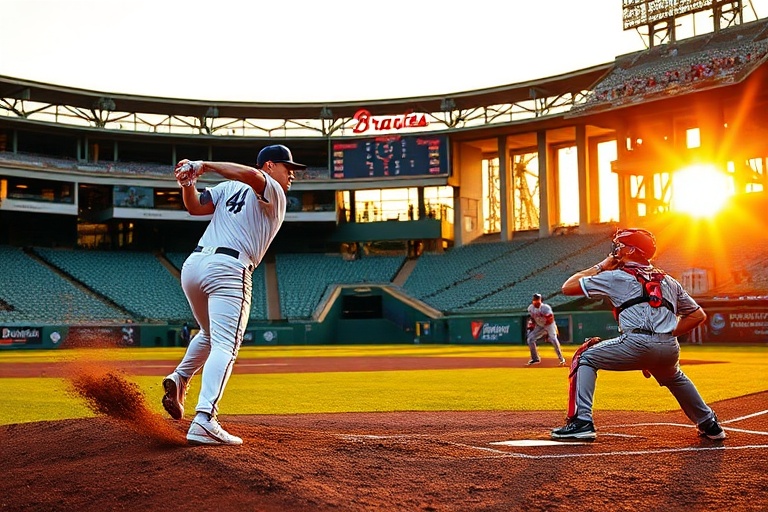
The business of baseball has evolved dramatically since the Braves’ early days. In the 21st century, franchises are no longer just sports teams; they are entertainment conglomerates. The Braves’ Truist Park, opened in 2017, is a prime example of this shift. With its state-of-the-art amenities, including a 360-degree LED halo board and a chop house restaurant, the stadium is designed to offer an immersive experience beyond the game itself.
Revenue streams for the Braves now include everything from luxury suite rentals to streaming rights for their regional sports network, Bally Sports South. The team’s financial success is part of a broader trend in sports, where franchises leverage their brand to dominate local economies. Atlanta’s growth as a hub for business and technology has only amplified the Braves’ commercial appeal, making them a key player in the city’s identity.
Yet, this commercialization comes with challenges. The rise of streaming services has disrupted traditional broadcast models, forcing teams to rethink how they engage fans. The Braves have responded by expanding their digital presence, offering behind-the-scenes content, interactive apps, and partnerships with platforms like YouTube and TikTok. This digital transformation ensures that the team remains relevant in an era where attention spans are fragmented.
Fan Culture and the Braves’ Place in Atlanta’s Identity
For Atlanta’s fans, the Braves are more than a team—they are a source of pride and community. The team’s fanbase, often referred to as the “Braves Nation,” is a diverse group united by their passion for the game. From families attending Sunday games at Truist Park to die-hard fans gathering at local sports bars, the Braves’ presence is woven into the city’s social fabric.
The team’s mascot, Blooper the Brave, and iconic traditions like the “Tomahawk Chop” have become cultural touchstones, though they also spark debate. The Tomahawk Chop, in particular, has drawn criticism for its cultural appropriation of Native American symbols. The Braves have responded by recontextualizing the tradition, emphasizing its connection to the team’s history rather than its original connotations. This balancing act reflects broader conversations about sports, identity, and representation.
The Braves’ rivalry with the Philadelphia Phillies and the Washington Nationals adds another layer to their appeal. These matchups are not just about wins and losses; they are about regional pride and the passion that defines baseball fandom. The team’s success in the postseason, including multiple division titles, has only deepened their connection to Atlanta’s identity.
Looking Ahead: The Braves’ Future in a Changing Landscape
The future of the Atlanta Braves will be shaped by several key factors. First is the team’s ability to develop young talent. With a strong farm system and a commitment to analytics, the Braves are positioning themselves for sustained success. Players like Spencer Strider and Michael Harris II represent the next generation of stars, embodying the team’s blend of tradition and innovation.
Second is the evolving relationship between sports and technology. The Braves are investing in augmented reality experiences, personalized fan engagement, and sustainability initiatives at Truist Park. These efforts reflect a broader trend in sports, where teams must innovate to stay relevant in an increasingly digital world.
Finally, the Braves must navigate the challenges of a rapidly changing sports media landscape. As traditional broadcast models decline, the team’s ability to adapt will determine its long-term success. Partnerships with streaming platforms, interactive content, and global outreach will be critical in maintaining their fanbase.
The Atlanta Braves’ story is one of resilience, reinvention, and cultural significance. From their humble beginnings in Boston to their modern-era success in Atlanta, they have mirrored the evolution of baseball itself. As the sport continues to change, the Braves remain a symbol of tradition, innovation, and the enduring power of America’s pastime.
For fans and observers alike, the Braves offer more than just baseball—they provide a window into the cultural, economic, and social dynamics that shape the world of sports.