weather in san francisco
“`html
Weather in San Francisco: A City of Microclimates and Constant Change
San Francisco weather isn’t just different from the rest of California—it’s different from one neighborhood to the next. The city’s famous unpredictability isn’t a myth but a defining characteristic shaped by its unique geography. While Los Angeles enjoys 300 days of sunshine annually and Sacramento bakes in Central Valley heat, San Francisco residents can experience four seasons in a single day.
This meteorological phenomenon stems from the city’s position between the Pacific Ocean and San Francisco Bay, combined with its hilly topography. The Pacific creates a natural air conditioning system, while the bay generates its own microclimates. Residents have learned to carry layers regardless of the season, as a sunny morning in the Mission District can transform into a foggy afternoon near the Golden Gate Bridge.
The Science Behind San Francisco’s Weather Patterns
The city’s weather is primarily governed by the interaction between the Pacific High pressure system and the thermal low pressure over California’s interior valleys. During summer months, this pressure difference drives the northwest winds that push cool, moist ocean air through the Golden Gate and across the city. This process creates the famous Karl the Fog, which rolls in almost daily from May through September.
The fog’s intensity varies dramatically depending on location. Ocean Beach typically sees dense fog year-round, while the sunny Mission District might remain clear. The city’s hills act as barriers, with Twin Peaks often creating a visible line between foggy areas to the west and sunny areas to the east. Temperature differentials of 20°F or more between neighborhoods are common, especially in summer.
Winter brings different patterns entirely. While San Francisco rarely experiences freezing temperatures, it does see its share of rain. The city averages 23 inches annually, with most precipitation falling between November and March. However, even these storms are tempered by the Pacific’s moderating influence, resulting in gentler, more prolonged rainfall compared to the intense downpours common elsewhere in the state.
Seasonal Breakdown of San Francisco Weather
Understanding San Francisco’s seasons requires adjusting expectations. The traditional four-season model doesn’t apply here. Instead, residents recognize two main periods: the foggy season and the dry season, with brief transition periods in between.
- Spring (March-May): The city emerges from winter’s dampness. March can still bring rain, but April typically marks the beginning of clearer skies. Temperatures gradually warm from the mid-50s to the mid-60s. This season sees the most dramatic weather shifts, with clear mornings often giving way to afternoon fog.
- Summer (June-August): The fog season reaches its peak. June gloom often persists through July, with Karl the Fog making regular appearances. Daytime temperatures rarely exceed the mid-60s, while evenings can feel surprisingly chilly. August occasionally brings heat spikes when tropical air masses push northward, creating rare 80°F+ days.
- Fall (September-November): The city’s best weather typically arrives in September and October. Known locally as “second summer,” this period offers the clearest skies and most consistent sunshine of the year. Temperatures hover in the comfortable 60s and 70s. November marks the transition back to winter patterns, with increased rainfall and fog.
- Winter (December-February): The mildest winters in California. Rainfall increases but rarely becomes severe. Daytime temperatures average in the mid-50s, while nighttime lows occasionally dip into the 40s. Snow in the city is virtually unheard of, though nearby ski resorts receive regular powder.
How San Francisco’s Weather Affects Daily Life
Living with San Francisco’s weather requires adaptation. The city’s architecture reflects this, with buildings designed for maximum sunlight exposure. Victorian homes feature bay windows to capture precious winter light, while modern apartments often include large south-facing windows. Outdoor activities are carefully planned around weather patterns, with locals checking multiple forecasts before scheduling anything.
The weather’s unpredictability has shaped San Francisco’s culture in subtle ways. The city’s famous sweater and jacket combinations aren’t just fashion statements—they’re necessities. Tech companies have embraced this reality, with many offices maintaining thermostats at a consistent 68°F year-round to accommodate employees coming from different microclimates.
Sports teams must contend with the city’s weather extremes. The San Francisco Giants play in a stadium that experiences dramatic temperature swings between innings. The 49ers’ practice facility in Santa Clara benefits from milder conditions, though playoff games at Levi’s Stadium can still be affected by bay area fog.
Tourism, too, is weather-dependent. Summer visitors expecting California sunshine often arrive during the foggiest months, leading to disappointment. The city’s tourism bureau has responded by promoting September and October as ideal travel times, when weather is most reliable. Hotels in different neighborhoods offer varying weather experiences, with Union Square rooms providing different comfort levels than those near Ocean Beach.
Navigating San Francisco’s Weather as a Visitor
For those unfamiliar with the city’s patterns, San Francisco weather can be disorienting. A sunny morning might transform into a chilly, foggy afternoon within hours. Locals recommend following a few key strategies to stay comfortable:
- Dress in layers: A light jacket over a sweater over a t-shirt provides flexibility as conditions change. A windbreaker is often more useful than a heavy coat.
- Check multiple forecasts: Weather apps often provide neighborhood-specific predictions. The National Weather Service’s San Francisco forecast covers different microclimates separately.
- Plan indoor activities for foggy days: Museums like the de Young or California Academy of Sciences offer excellent alternatives when Karl the Fog rolls in. Coffee shops and bookstores provide cozy refuges.
- Avoid assuming the weather will be the same everywhere: A visit to Golden Gate Park might require a jacket, while the Ferry Building could be sunny and warm. Public transit makes it easy to move between microclimates.
Visitors should also be prepared for the city’s unique weather phenomena. The summer fog often creates dramatic temperature differentials between neighborhoods. A morning in North Beach might feel like summer, while a late afternoon trip to the Sunset District could feel like fall. This variability is part of what makes San Francisco weather experiences so memorable.
For those planning extended stays, timing makes a significant difference. The city’s weather is most predictable during September and October, when the fog season has ended but rain hasn’t yet begun. These months offer the best combination of sunshine and comfortable temperatures. Spring can be equally pleasant, though with more variability. Summer visitors should prepare for cool, foggy conditions, while winter travelers will find mild temperatures but higher rainfall chances.
Weather-Appropriate San Francisco Activities
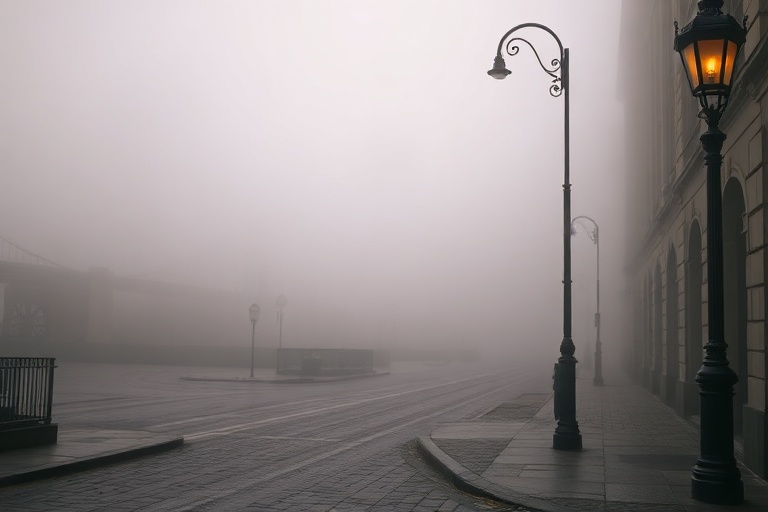
San Francisco’s weather patterns create opportunities for seasonal activities that wouldn’t work in other cities. When the fog rolls in during summer, the city’s outdoor spaces transform. The de Young Museum’s observation tower provides stunning views above the fog layer. Alcatraz tours become more atmospheric in misty conditions. Even the iconic Golden Gate Bridge appears more mysterious when shrouded in fog.
Winter brings different possibilities. The city’s holiday decorations coincide with the rainy season, creating a cozy atmosphere in Union Square. Rainy days are perfect for exploring museums, catching shows at the War Memorial Opera House, or enjoying the city’s thriving food scene. The rare snowfall in nearby areas can make for memorable day trips to places like Mount Tamalpais.
For those willing to embrace the city’s weather, unique experiences await. Summer fog creates perfect conditions for photographing the Golden Gate Bridge from Crissy Field. Winter storms can make for dramatic walks along Lands End. The city’s many microclimates mean that weather itself becomes a tool for exploration, with each neighborhood offering different atmospheric conditions.
The key to enjoying San Francisco weather lies in embracing its unpredictability rather than fighting it. The city’s ability to transform from sunny to foggy within hours creates a dynamic environment that keeps residents and visitors alike on their toes. Rather than seeing the weather as an obstacle, San Francisco has learned to work with it, turning atmospheric conditions into part of the city’s unique character.
—
METADATA
{
“title”: “San Francisco Weather Guide: Seasons, Microclimates and Tips”,
“metaDescription”: “Learn how San Francisco’s unique geography creates microclimates and unpredictable weather patterns year-round.”,
“categories”: [“Travel”, “Science”],
“tags”: [“San Francisco weather”, “California microclimates”, “Bay Area fog”, “San Francisco seasons”, “Karl the Fog”],
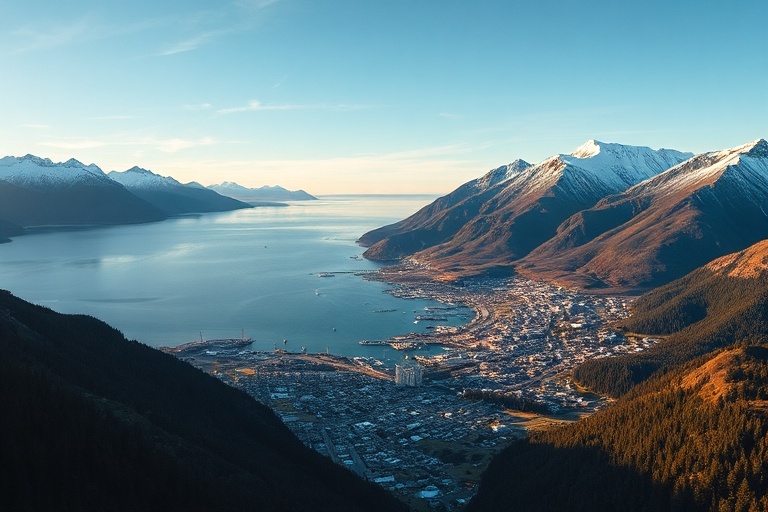
“imageDescription”: “A panoramic view of San Francisco with clear skies over the Mission District and thick fog rolling in from the Pacific over the Sunset District, with the Golden Gate Bridge partially obscured in the background. The image captures the dramatic contrast between the city’s microclimates, with sunny neighborhoods in the foreground and foggy areas toward the ocean.”
}
—END METADATA—
“`