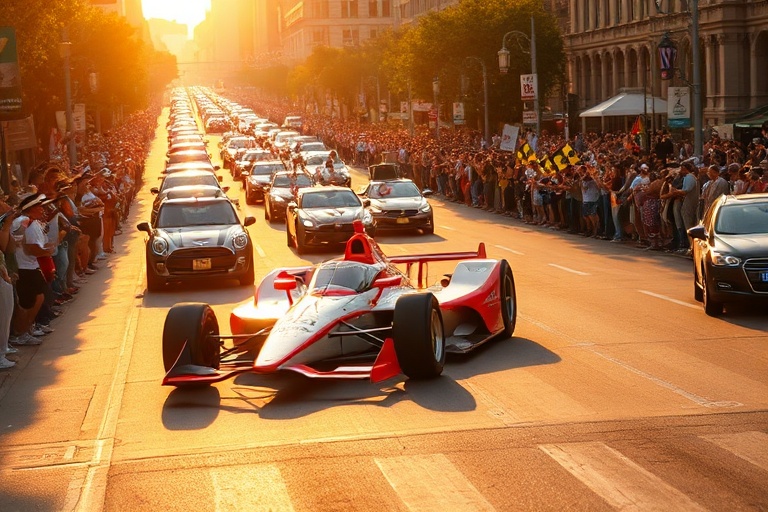
The Indianapolis 500 parade stands as one of the most anticipated pre-race traditions in motorsports, blending historic pageantry with the excitement of the upcoming race. Unlike the high-octane action of the actual event, the parade offers a slower, more reflective moment where the community comes together to honor the sport, its drivers, and its legacy. This event is more than just a warm-up for the main race—it’s a cultural touchstone that connects generations of fans.
The History and Significance of the Indy 500 Parade
The Indy 500 parade dates back to the early 20th century, shortly after the inaugural race in 1911. What began as a modest procession has since evolved into a grand spectacle, drawing tens of thousands of spectators along its route. The parade’s route traditionally winds through downtown Indianapolis, culminating near the Indianapolis Motor Speedway, where the race itself will take place.
One of the most enduring aspects of the parade is its ability to preserve tradition while adapting to modern sensibilities. For example, the parade once featured only race cars and drivers, but today it includes floats, marching bands, and even celebrity appearances. Yet, the core elements—such as the presence of the reigning Indy 500 champion and the iconic Borg-Warner Trophy—remain unchanged, serving as a bridge between the past and present.
Key Moments in Parade History
- 1911: The first parade took place the day before the inaugural race, featuring early automobiles and drivers. It was a modest affair, reflecting the fledgling state of the sport.
- 1950s-1960s: The parade grew in scale, incorporating marching bands and larger floats. This era solidified its reputation as a community event rather than just a racing spectacle.
- 1990s: The parade expanded to include international drivers and cultural performances, reflecting the global reach of the Indy 500.
- 2020: The parade was canceled due to the COVID-19 pandemic, marking one of the few times in its history that it did not take place.
What to Expect at the Indy 500 Parade
Attending the Indy 500 parade is an experience unlike any other in motorsports. The atmosphere is festive, yet grounded in the history of the race. Spectators line the streets hours in advance, often camping overnight to secure the best vantage points. The parade itself lasts about two hours, but the energy builds long before the first float appears.
The parade typically features a mix of elements, from the obligatory race cars and drivers waving to the crowd to elaborate floats sponsored by local businesses and racing teams. Marching bands from high schools and universities across Indiana provide musical entertainment, while local celebrities and dignitaries often make appearances. One of the most anticipated moments is the arrival of the Borg-Warner Trophy, which is transported through the parade route as a symbol of the race’s prestige.
Highlights of the Parade Route
The parade route is designed to showcase the heart of Indianapolis, passing by landmarks such as Monument Circle and the Soldiers and Sailors Monument. Key stops include:
- Downtown Indianapolis: The parade kicks off near the Indiana State Museum, winding through the city’s downtown core.
- Monument Circle: A central gathering point where spectators can get a clear view of the procession.
- Indiana War Memorial Plaza: A brief pause allows for reflection on the parade’s themes of speed, tradition, and community.
- Final Destination: The procession ends near the Indianapolis Motor Speedway, where the crowd gathers for the final festivities.
The Broader Impact of the Indy 500 Parade
Beyond the spectacle, the Indy 500 parade plays a vital role in the local economy and community. The event draws an estimated 100,000 spectators annually, many of whom spend money on food, merchandise, and lodging. Local businesses, from restaurants to hotels, rely on the influx of visitors to boost their revenue during the race weekend.
The parade also serves as a cultural touchstone for Indianapolis, reinforcing the city’s identity as the “Racing Capital of the World.” It provides a platform for local artists, musicians, and performers to showcase their talents, further enriching the community. Additionally, the event fosters a sense of pride among residents, many of whom have family ties to the race dating back generations.
A Platform for Innovation and Tradition
While the parade is steeped in tradition, it is not immune to change. In recent years, organizers have introduced elements to make the event more inclusive and accessible. For example, the inclusion of electric and autonomous vehicle displays reflects the evolving nature of the automotive industry. Yet, these modern touches are balanced by the parade’s commitment to preserving its historic roots.
For racing enthusiasts, the parade offers a unique opportunity to engage with the sport in a more personal way. Unlike the race itself, where the focus is on speed and competition, the parade allows fans to interact with drivers, learn about the history of the sport, and celebrate the community that surrounds it. This duality—balancing innovation with tradition—is what makes the Indy 500 parade a standout event in motorsports.
Why the Indy 500 Parade Matters
The Indy 500 parade is more than just a precursor to the main event; it is a celebration of the values that define the Indianapolis 500. It honors the past while embracing the future, bringing together people from all walks of life to share in the excitement of racing. For many, the parade is a rite of passage—a first taste of the magic that makes the Indy 500 so special.
As the race continues to evolve, the parade remains a constant reminder of what makes the Indianapolis 500 unique. It is a testament to the enduring power of tradition, the thrill of competition, and the unifying force of community. Whether you’re a lifelong fan or a first-time visitor, the Indy 500 parade offers an experience that is as memorable as the race itself.
For those looking to dive deeper into the world of motorsports, Dave’s Locker Sports offers a wealth of content on racing history, driver profiles, and race-day insights. If you’re interested in the broader cultural impact of major sporting events, Trending on Dave’s Locker provides analysis and commentary on how these events shape communities and industries.