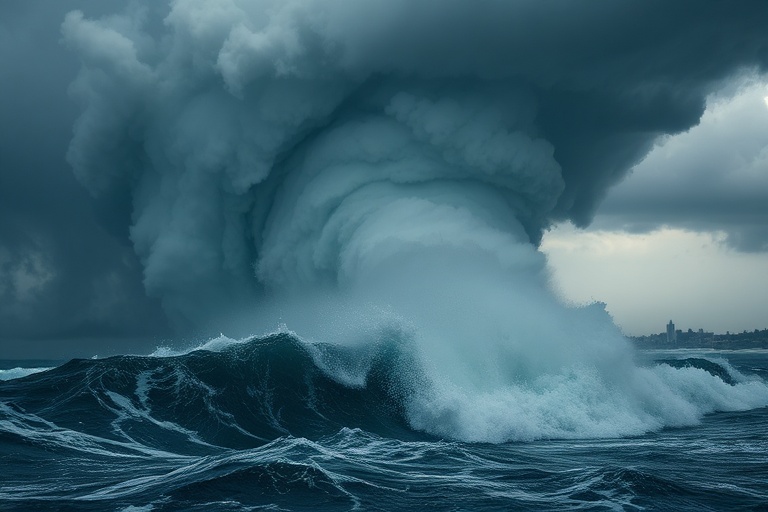
Understanding the Atlantic Hurricane Season: Science, Culture, and Survival
“`html
The Atlantic Hurricane Season: A Global Dance of Wind, Water, and Resilience
The Atlantic hurricane season is more than a six-month stretch on the calendar. It is a recurring climatic drama that reshapes coastlines, displaces communities, and tests the limits of human preparedness. Running from June 1 to November 30, this annual cycle doesn’t just affect the Caribbean or the southeastern United States—it sends ripples across continents, influencing global supply chains, tourism, and even cultural expressions from calypso to reggae.
From the moment the first tropical wave rolls off the coast of Africa, the Atlantic basin becomes a stage for nature’s most powerful performances. Storms like Hurricane Katrina in 2005 or Dorian in 2019 didn’t just make headlines—they became defining moments in the collective memory of millions, altering migration patterns, insurance markets, and even election outcomes. The season is not a static threat; it evolves with climate change, urban expansion, and technological advancements in forecasting.
The Science Behind the Storms: How Hurricanes Form and Grow
Hurricanes are born from a delicate interplay of heat, moisture, and wind. They require sea surface temperatures of at least 26.5°C (80°F) to develop, which is why the Atlantic season peaks between mid-August and October when ocean waters are warmest. Warm air rises from the ocean surface, creating low-pressure zones that draw in more air and moisture. As this air spirals inward, it begins to rotate due to the Coriolis effect, forming the classic cyclonic structure.
The journey from tropical depression to major hurricane is unpredictable. Some storms fizzle within days; others gather strength over weeks, fed by warm waters and low wind shear. The scientific community has made remarkable progress in tracking these systems using satellite data, drones, and computer models. Yet, forecasting intensity remains a challenge—especially when storms rapidly intensify, as seen with Hurricane Ian in 2022.
- Tropical Disturbance: A cluster of thunderstorms with some organization.
- Tropical Depression: Winds reach up to 38 mph (62 km/h).
- Tropical Storm: Winds between 39 and 73 mph (63–118 km/h), at which point it receives a name.
- Hurricane: Winds exceed 74 mph (119 km/h), categorized on the Saffir-Simpson scale from 1 to 5.
Understanding this progression is crucial for coastal communities that rely on early warnings. In places like Dominica or Puerto Rico, where infrastructure is often fragile, even a Category 1 storm can cause catastrophic flooding. The science of hurricanes is not just academic—it’s a lifeline.
Cultural Echoes: How Hurricanes Shape Identity and Art
Beyond the physical destruction, hurricanes leave indelible marks on culture. In the Caribbean, hurricanes are woven into folklore, music, and oral traditions. The calypso and soca lyrics of Trinidad and Tobago often reference storms as metaphors for struggle and resilience. After Hurricane Ivan in 2004, Grenadian artists like Mighty Sparrow composed songs that blended grief with defiance, turning collective trauma into anthems of survival.
In the United States, hurricanes have influenced everything from literature to cinema. Zora Neale Hurston’s Their Eyes Were Watching God captures the terror of the 1928 Okeechobee hurricane, while films like The Perfect Storm and Twister dramatize humanity’s fraught relationship with nature’s fury. Even cuisine has been shaped by hurricanes—Caribbean jerk seasoning, for instance, was historically developed as a preservation method for meats in the face of unpredictable weather.
Hurricanes also create diasporas. After Hurricane Maria devastated Puerto Rico in 2017, nearly 200,000 residents relocated to Florida, reshaping demographics and voting patterns. This migration brought new traditions to Orlando, Tampa, and Miami, from Puerto Rican food festivals to reggaeton radio stations. The storm didn’t just destroy buildings—it reconfigured cultural landscapes.
Preparedness in the 21st Century: Technology, Policy, and Community
The 21st century has brought both challenges and tools for hurricane preparedness. On one hand, climate change is intensifying storms, with studies showing a rise in Category 4 and 5 hurricanes. Warmer oceans provide more fuel, while rising sea levels exacerbate storm surges. On the other hand, advancements in satellite technology and AI-driven models are improving forecasting accuracy. The National Hurricane Center’s cone of uncertainty, for example, has narrowed significantly over the past decade.
Governments and NGOs are also rethinking disaster response. In the Bahamas, after Hurricane Dorian, local organizations like the Bahamas Red Cross leveraged social media and community networks to distribute aid more efficiently. Meanwhile, insurance companies are increasingly factoring climate risk into policies, sometimes leading to higher premiums for homeowners in vulnerable zones.
Yet, technology alone cannot prevent loss. In Florida, building codes have been strengthened since Hurricane Andrew in 1992, but many older homes remain vulnerable. In Puerto Rico, the power grid’s fragility was exposed by Maria, leading to years of blackouts. The contrast between wealthy neighborhoods with hurricane-proof windows and low-income areas with corrugated roofs highlights the inequities of disaster resilience.
Community-based solutions are proving vital. In Cuba, which has faced numerous hurricanes with relatively low death tolls, the government’s emphasis on neighborhood preparedness—evacuation drills, stockpiled supplies, and local leadership—has set a global example. Similarly, in New Orleans, grassroots organizations like the Jane Place Neighborhood Sustainability Initiative work to ensure that marginalized residents are not left behind during evacuations.
The Global Ripple Effect: Supply Chains, Tourism, and Climate Justice
The Atlantic hurricane season doesn’t just affect the places it directly hits. It disrupts global supply chains, particularly for commodities like oil, bananas, and coffee. The Gulf of Mexico produces 17% of U.S. crude oil, and storms like Katrina and Rita in 2005 caused oil prices to spike worldwide. Meanwhile, banana plantations in Central America, already vulnerable to disease, face additional threats from flooding and wind damage. The result? Price fluctuations in supermarkets from Berlin to Bangkok.
Tourism is another sector deeply affected. Caribbean nations like Barbados and Jamaica rely on tourism for over 30% of their GDP. A single major hurricane can devastate the season’s bookings, leaving hotels and airlines scrambling. The 2017 hurricane season, which saw Irma and Maria hit back-to-back, cost the Caribbean economy an estimated $2.8 billion in lost revenue. Recovery efforts often take years, with some islands still rebuilding infrastructure a decade later.
Climate justice advocates argue that the burden of hurricanes falls disproportionately on the Global South, despite the fact that wealthy nations contribute more to climate change. Small island developing states (SIDS) like Antigua and Barbuda emit minimal carbon but face the highest risks. International climate funds, such as the Green Climate Fund, aim to address this imbalance, but funding remains inadequate. The question lingers: How can the world ensure that the nations most vulnerable to hurricanes receive the support they need to adapt?
Looking Ahead: Adapting to a Stormier Future
The Atlantic hurricane season is a reminder of nature’s power—and humanity’s adaptability. As temperatures rise, the season may start earlier and end later, with storms forming outside the traditional June-to-November window. Forecasters are already considering expanding the season’s official dates, reflecting this reality.
Innovative solutions are emerging. In the Netherlands, which has long battled coastal flooding, engineers are experimenting with “sand engines”—massive sand deposits designed to absorb storm surges. In Miami, “resilience hubs” are being built to serve as shelters, distribution centers, and community meeting spaces during disasters. Meanwhile, indigenous communities in Belize and Honduras are reviving traditional farming techniques that reduce soil erosion and improve drainage, making landscapes more hurricane-resistant.
The future of the Atlantic hurricane season will be shaped by three forces: science, policy, and solidarity. Better models can save lives, but they must be paired with equitable policies that protect the most vulnerable. Solidarity—whether through international aid, local mutual aid networks, or global climate agreements—will determine whether communities can not just survive, but thrive, in the face of an increasingly stormy world.
As the 2024 season approaches, one thing is clear: the Atlantic’s hurricanes are not just weather events. They are catalysts for change, forcing societies to confront their vulnerabilities and imagine new ways of living with the wind.
—