Trump’s Hands: The Hidden Language of Power in Politics
“`html
Trump’s Hands: A Visual Signature in Modern Politics
The hands of Donald Trump have become as recognizable in American politics as his distinctive hairstyle or the cadence of his speeches. These hands—often raised in signature gestures during rallies, interviews, or official appearances—have transcended mere physical features to become a symbol of his political brand. They convey confidence, emphasis, and even defiance, reinforcing his public persona in ways that words alone cannot.
From the way he clasps his fingers to the dramatic arcs his arms trace through the air, Trump’s hand movements have been analyzed, parodied, and studied by political commentators, psychologists, and the public alike. What might seem like incidental body language to some carries substantial weight in how his supporters and critics perceive him. These gestures are not just accompaniments to speech; they are deliberate tools of persuasion.
The Anatomy of Trump’s Hand Gestures
Trump’s hand gestures can be broken down into several recurring patterns, each serving a distinct rhetorical purpose. The “steeple”, where fingers are pressed together in a triangular shape, often accompanies moments of emphasis. This gesture signals certainty and control, subtly communicating that the speaker is in command of the facts. Opponents might interpret it as arrogance, but supporters see it as conviction.
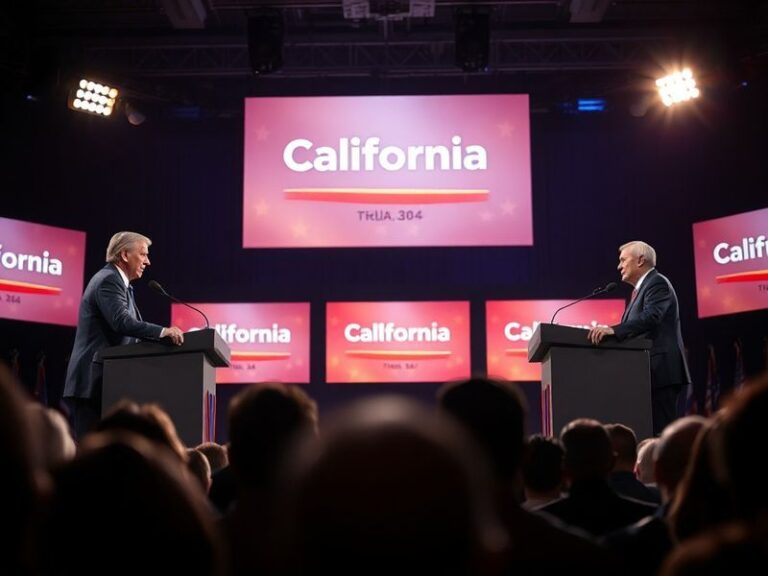
Another frequent gesture is the “open palm”, which Trump uses to invite agreement or signal transparency. During debates or interviews, he often extends his palm outward, as if offering an invisible handshake to the audience. This move is designed to create a sense of inclusivity, even when his rhetoric is divisive. Critics argue it’s a calculated performance, while allies view it as authenticity.
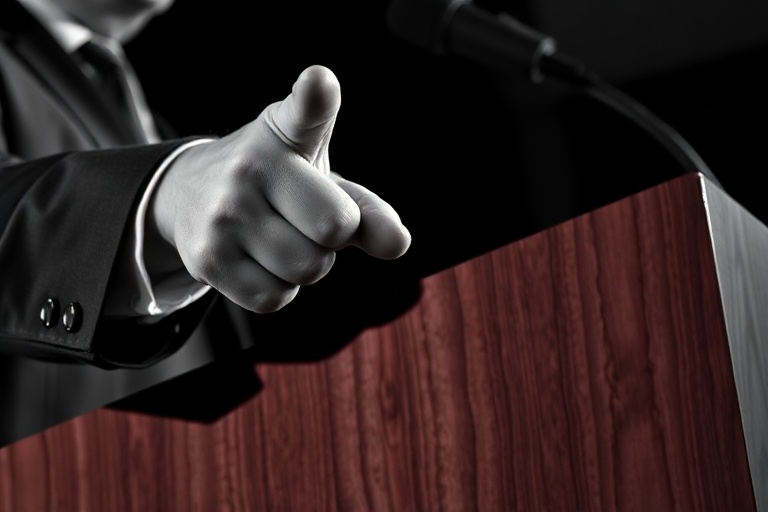
- Pointing and jabbing: Trump frequently uses his index finger to punctuate statements, often directing it toward opponents or the media. This aggressive pointing reinforces his combative style and frames his opponents as targets.
- Palm-down motions: When Trump wants to assert dominance or dismiss an argument, he often uses downward palm movements. This gesture subtly signals that he is shutting down discussion or asserting superiority.
- Two-handed clapping: During moments of triumph—such as after a speech or a policy announcement—Trump employs a slow, deliberate clap with both hands. This amplifies the sense of celebration and underscores his perceived victories.
The consistency of these gestures across decades suggests they are not accidental but part of a long-honed performance. Trump’s hands, much like his speech patterns, reflect a deliberate cultivation of a public image that prioritizes strength, decisiveness, and unapologetic self-assurance.
Psychological and Cultural Interpretations
Psychologists have weighed in on Trump’s hand gestures, offering interpretations that range from dominance signaling to compensatory behaviors. Some experts suggest that his expansive arm movements and open-hand displays are evolutionary cues meant to project power and openness simultaneously. This duality may explain why his gestures resonate with certain audiences while alienating others.
In political culture, Trump’s hands have also become a visual shorthand for his broader brand. Memes, cartoons, and late-night comedy sketches frequently exaggerate his hand movements to caricature his persona. The “Trump hands” meme, for example, often depicts his fingers as overly long or his gestures as cartoonishly dramatic, reinforcing perceptions of excess and theatricality.
Yet, for all the mockery, Trump’s gestures are undeniably effective. They create a sense of immediacy and engagement, making his rallies feel like interactive performances rather than passive speeches. His supporters often describe his hand movements as “energetic” or “passionate,” while critics dismiss them as “over-the-top” or “performative.” The divide in interpretation speaks to the polarized nature of his political identity.
The Hands in Media and Pop Culture
Trump’s hands have permeated media and pop culture in ways few politicians’ mannerisms ever have. Late-night hosts like Stephen Colbert and Jimmy Kimmel frequently parody his gestures, using exaggerated hand movements to lampoon his presidency. Even in serious news coverage, Trump’s hands are often the focal point of photographs, drawing attention away from his face or the context of the moment.
One notable example is the viral video of Trump walking down a rain-soaked ramp at West Point in 2020. The video, which went viral for its dramatic lighting and Trump’s stiff posture, also highlighted his hand placement—clasped firmly in front of him, reinforcing a sense of control despite the chaotic weather. The clip became a meme, with users overlaying music or editing the footage to emphasize the absurdity of the moment.
Trump’s hands have also been scrutinized in the context of his business career. Long before politics, his gestures were a staple in his real estate advertisements and television appearances. The same expansive style that now defines his political persona was evident in his 1980s cameos on shows like The Apprentice, where his hand movements were part of a carefully crafted image of success and authority.
Why Trump’s Hands Matter in Politics
In an era where politics is increasingly visual, Trump’s hands serve as a powerful tool for communication. While policies and debates dominate headlines, it is often the nonverbal cues—like a raised fist or an emphatic point—that linger in the public consciousness. Trump understands this intuitively, using his hands to amplify his message in ways that text or even speech cannot.
For his supporters, these gestures are proof of his authenticity and strength. They see the hands as an extension of his unfiltered personality, a rejection of political correctness in favor of raw expression. For his detractors, they represent everything that is performative and insincere about his leadership. Whether viewed as genuine or contrived, there is no denying that Trump’s hands are a critical component of his political brand.
The hands also highlight a broader trend in modern politics: the rise of the “performed” politician. Leaders like Trump, Alexandria Ocasio-Cortez, and even international figures like Boris Johnson use body language as a form of storytelling. In Trump’s case, the hands are part of a larger narrative of defiance, success, and unapologetic self-promotion. They are not just tools of communication but symbols of an era where personality often trumps policy.
As Trump’s political career continues to evolve, his hands will likely remain a focal point of analysis. Whether he is rallying supporters, debating opponents, or making policy announcements, his gestures will continue to shape perceptions. In the end, Trump’s hands are more than just a quirk of his public persona—they are a visual language all their own.
For those interested in the intersection of politics and media, Dave’s Locker Politics section offers deeper analysis on how public figures use visual and rhetorical strategies to shape their image. Similarly, the Culture section explores how gestures and symbols influence public perception beyond the political realm.