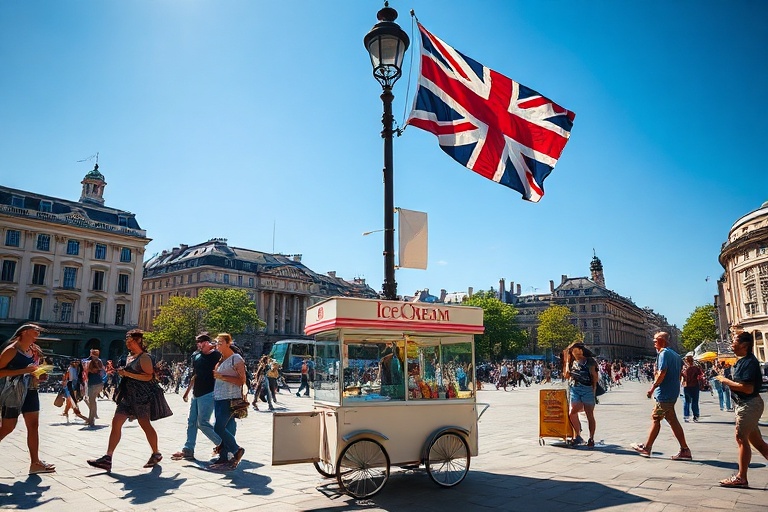
The United Kingdom is bracing for an unusually warm May, with meteorologists predicting temperatures well above seasonal averages. While spring in the UK is typically characterized by unpredictable showers and mild breezes, this year’s forecast suggests a shift toward more summer-like conditions earlier than usual. The implications stretch beyond wardrobe choices, affecting agriculture, energy consumption, and public health across the region.
Meteorological Predictions for May
The Met Office, the UK’s national weather service, has issued early warnings about elevated temperatures for the month. Forecasters anticipate daytime highs between 18°C and 22°C (64°F–72°F) across much of England, with some southern areas potentially reaching 24°C (75°F) or higher. These figures are 3–5°C above the average for mid-spring, a significant deviation that could challenge local ecosystems and infrastructure.
Several factors contribute to this forecast. A high-pressure system lingering over the Atlantic is expected to block cooler air from the north, allowing warmer continental air to dominate. Additionally, sea surface temperatures in the North Sea are slightly elevated, which may amplify warmth in coastal regions. While heatwaves in May are not unheard of in the UK—the infamous 1990 heatwave saw temperatures hit 25°C in May—this year’s pattern aligns with broader trends observed in a warming climate.
Comparing Historical Trends
Over the past decade, the UK has experienced a noticeable uptick in early-season warmth. Data from the Met Office shows that the ten warmest Mays on record have all occurred since 2000. This shift is consistent with global patterns, where rising greenhouse gas concentrations are intensifying seasonal extremes. For instance, May 2022 recorded an average temperature of 13.1°C, nearly 2°C above the 1991–2020 average, and included a notable 27.5°C spike in eastern England.
Such trends have led some climate scientists to speculate about the UK’s evolving relationship with summer. Traditionally, heatwaves were concentrated in July and August, but recent years have seen them emerge as early as May. This acceleration raises questions about long-term adaptation strategies, particularly in sectors like agriculture, where early warmth can disrupt planting schedules or accelerate crop growth prematurely.
Regional Variations and Local Impacts
Not all areas of the UK will experience the heatwave equally. Southern England, particularly London and the Southeast, is likely to bear the brunt of the warmth, with urban heat island effects exacerbating temperatures in densely populated areas. Meanwhile, northern regions such as Scotland and Northern Ireland may see more moderate increases, though even these areas could face unseasonably mild conditions.
The potential impacts are wide-ranging:
- Agriculture: Early warmth may prompt farmers to adjust planting schedules, but it also risks exposing fragile crops to late frosts if the heatwave subsides abruptly.
- Energy Demand: Higher temperatures could reduce heating demand but increase electricity usage for cooling, particularly in homes and businesses unprepared for sudden heat.
- Public Health: While the UK is generally well-equipped for heat, vulnerable populations—such as the elderly and those with pre-existing conditions—may face increased risks if temperatures climb too high too quickly.
- Transport: Railway tracks and roads could expand in the heat, potentially causing delays or damage, while airports may need to adjust flight schedules to account for thinner air at higher temperatures.
Cultural Shifts and Public Response
The arrival of summer-like weather in May has sparked a cultural shift in the UK, where outdoor activities are often limited by rain and wind. Pubs and parks are already buzzing with people eager to capitalize on the sunshine, while retailers report surges in sales of barbecue equipment, sunscreen, and lightweight clothing. Social media platforms are flooded with images of sunbathers in London parks, a stark contrast to the usual gloomy spring scenes.
This enthusiasm, however, is tempered by growing awareness of climate change. While the UK public has historically viewed heatwaves as temporary inconveniences, there is increasing recognition of their role in a broader pattern of environmental disruption. Campaigns for sustainable urban planning—such as the expansion of green spaces in cities—have gained traction as communities seek to mitigate the effects of rising temperatures.
Global Context: A Warming Planet
The UK’s May heatwave is not an isolated incident. Across Europe, countries like Spain, France, and Italy have experienced record-breaking spring temperatures, with some regions hitting 30°C in April. This continental warmth is part of a global trend, where rising global temperatures are making heatwaves more frequent, intense, and prolonged. According to the World Meteorological Organization, the past eight years have been the warmest on record, with 2023 ranking among the top ten.
Scientists attribute this warming primarily to human activities, particularly the emission of greenhouse gases such as carbon dioxide and methane. The Intergovernmental Panel on Climate Change (IPCC) has warned that without significant reductions in emissions, heatwaves like the one forecast for the UK in May could become the norm rather than the exception by the 2050s.
For the UK, this means preparing for a future where May heatwaves are not just anomalies but recurring events. The government has begun investing in climate adaptation measures, such as heat-resilient infrastructure and early warning systems for vulnerable populations. However, critics argue that these efforts are not yet sufficient to address the scale of the challenge.
Lessons from Abroad
Other countries offer valuable insights into how the UK might adapt. In Australia, where heatwaves are a regular feature of the summer, cities like Melbourne have implemented “cooling centers” and public health campaigns to protect residents. Similarly, cities in the United States, such as Phoenix, have developed heat action plans that include cooling stations, tree planting initiatives, and public awareness campaigns.
These examples highlight the importance of proactive planning. While the UK’s infrastructure is generally robust, there are gaps—particularly in rural areas and smaller towns—that may struggle to cope with prolonged periods of extreme heat. Addressing these vulnerabilities will require coordination between local governments, businesses, and communities.
What Lies Ahead
As the UK prepares for a potentially record-breaking May, the question on many minds is whether this is a one-off event or the beginning of a new norm. While meteorologists caution against drawing long-term conclusions from short-term forecasts, the data suggests a clear trend toward earlier and more intense heatwaves.
For now, residents are advised to stay hydrated, check on vulnerable neighbors, and take precautions against sun exposure. Businesses in sectors like tourism and agriculture should monitor conditions closely and adapt as needed. And for those eager to enjoy the sunshine, it’s worth remembering that this warmth, while welcome, is also a reminder of the broader challenges posed by climate change.
The UK’s relationship with weather is evolving. Where once spring was a season of rain and drizzle, it may increasingly resemble the start of summer. How the country adapts to this shift will shape its resilience in the decades to come.