Why the U.S. Flag Flies at Half-Staff on Memorial Day
“`html
Honoring Memorial Day with the U.S. Flag at Half-Staff
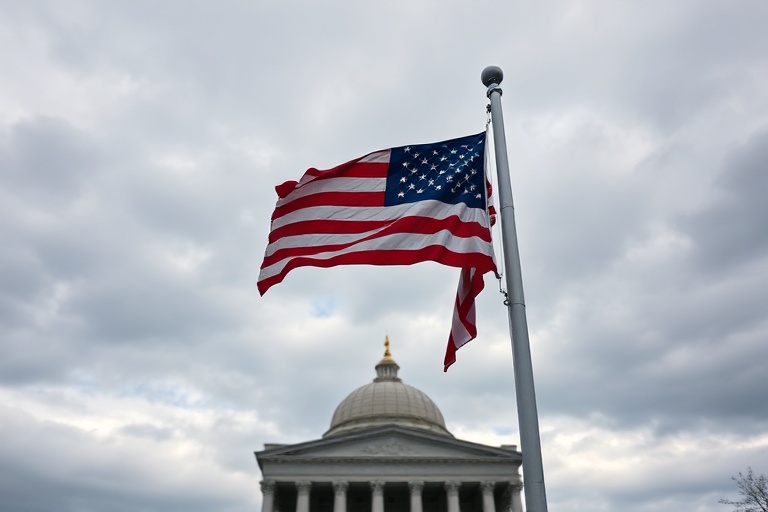
The tradition of flying the U.S. flag at half-staff is a powerful symbol of national mourning and respect. On Memorial Day, this gesture takes on special significance, as the nation pauses to honor those who have made the ultimate sacrifice in service to their country. The sight of the flag lowered to half-mast carries deep emotional weight, serving as a visual reminder of the cost of freedom.
This practice is not unique to the United States. Across the globe, nations observe similar traditions to commemorate fallen soldiers and public figures. Understanding the global context of half-staff flag traditions reveals how different cultures express collective grief and respect. For instance, in the United Kingdom, the Union Jack is flown at half-mast following the death of a monarch or a national figure of significant importance.
The Origins of Half-Staff Flag Traditions
The custom of lowering flags to half-staff dates back centuries. Historians trace its roots to maritime traditions, where ships would lower their flags when passing other vessels as a sign of respect. Over time, this practice evolved into a land-based symbol of mourning and remembrance.
In the United States, the first recorded instance of the flag being lowered to half-staff occurred in 1865 after the assassination of President Abraham Lincoln. Since then, the tradition has been formalized through presidential proclamations. These decrees specify when and for whom the flag should be flown at half-staff, ensuring consistency in national observance.
The U.S. Flag Code outlines the protocol for flying the flag at half-staff. According to the code, the flag should be hoisted to the peak of the staff before being lowered to half-staff. This brief moment at full height signifies the nation’s respect before the period of mourning begins. The flag remains at half-staff until noon on Memorial Day, after which it is raised to full height for the remainder of the day.
Memorial Day Observances Around the World
While Memorial Day in the U.S. is a distinct event, many countries have their own days of remembrance for fallen soldiers. In Canada, Remembrance Day on November 11th is marked by ceremonies and the wearing of poppies. The Canadian flag is flown at half-mast at federal buildings and military installations.
In Australia and New Zealand, ANZAC Day on April 25th commemorates those who served in the Australian and New Zealand Army Corps during World War I. The Australian flag is flown at half-mast from dawn until noon, reflecting the solemn nature of the day. Similarly, in the Netherlands, Remembrance Day on May 4th honors civilians and military personnel who died during wartime. The Dutch flag is flown at half-mast nationwide.
These observances highlight the universal need to remember and honor those who have given their lives in service to their nations. The act of lowering the flag at half-staff transcends cultural and geographical boundaries, uniting people in shared grief and gratitude.
The global perspective on half-staff traditions also extends to the private sector. Many businesses and organizations choose to observe Memorial Day by lowering their flags or displaying black ribbons. This collective effort underscores the importance of remembrance in both public and private spheres.
How Communities Observe Memorial Day
Memorial Day in the U.S. is more than just a day off work or the unofficial start of summer. It is a day of solemn reflection and gratitude. Communities across the country organize parades, memorial services, and moments of silence to honor the fallen. These events often feature veterans’ organizations, such as the American Legion and Veterans of Foreign Wars, which play a central role in organizing and leading ceremonies.
One of the most iconic Memorial Day traditions is the National Moment of Remembrance, established by Congress in 2000. At 3:00 PM local time, Americans are encouraged to pause for one minute of silence to reflect on the sacrifices made by military personnel. This simple yet powerful act helps to refocus the holiday’s purpose amid barbecues and shopping sales.
Memorial Day Events to Attend
For those looking to participate in Memorial Day observances, many communities offer a variety of events. These often include:
- Wreath-laying ceremonies at local monuments or cemeteries
- Parades featuring marching bands, veterans’ groups, and military vehicles
- Concerts or performances that honor military history and sacrifice
- Volunteer opportunities, such as placing flags on veterans’ graves
Attending these events not only pays tribute to the fallen but also fosters a sense of community and shared purpose. For families, these observances provide an opportunity to teach younger generations about the significance of Memorial Day beyond its recreational aspects.
The Symbolism of the Half-Staff Flag
The sight of the U.S. flag at half-staff is a visual language understood by all Americans. It communicates sorrow, respect, and solidarity without words. This symbolism is deeply embedded in the nation’s collective consciousness, making it one of the most recognizable gestures of mourning.
Psychologically, the act of lowering the flag can evoke strong emotions. Studies have shown that visual symbols, such as the half-staff flag, can trigger feelings of grief and reflection more effectively than verbal or written messages. This is why such traditions are so enduring—they tap into a primal need to express and process collective loss.
Moreover, the half-staff flag serves as a reminder of the fragility of life and the preciousness of peace. In a world where conflict and division often dominate headlines, moments of remembrance like Memorial Day offer a chance to reflect on the true cost of freedom and the importance of unity.
The flag itself is a powerful symbol, representing the ideals of liberty, democracy, and justice. When it is lowered to half-staff, these ideals are momentarily overshadowed by the reality of sacrifice. This contrast underscores the gravity of the day and the debt of gratitude owed to those who have served.
Looking Ahead: The Future of Memorial Day Traditions
As society evolves, so too do the ways in which we observe Memorial Day. While the tradition of flying the flag at half-staff remains a constant, new forms of remembrance are emerging. Social media platforms, for example, have become spaces for sharing stories and honoring the fallen. Virtual memorials and online tributes allow people to participate in observances regardless of their location.
However, these digital innovations also pose challenges. The commercialization of Memorial Day—evident in the proliferation of sales and advertisements—can overshadow its true meaning. Striking a balance between honoring tradition and embracing modernity is an ongoing conversation among veterans’ groups, historians, and policymakers.
One promising trend is the resurgence of interest in local and grassroots observances. Younger generations, in particular, are seeking ways to reclaim the holiday’s original purpose. Initiatives like community-led memorials and educational programs are helping to ensure that Memorial Day remains a day of reflection rather than just a day off.
How to Keep the Tradition Alive
Individuals can play a role in preserving the significance of Memorial Day by:
- Attending local memorial services or parades
- Taking time to learn about the history of Memorial Day and its origins
- Supporting veterans’ organizations through donations or volunteer work
- Sharing stories of fallen service members with family and friends
- Choosing to participate in the National Moment of Remembrance
By actively engaging with the traditions of Memorial Day, individuals can help ensure that the holiday remains a meaningful tribute to those who have given their lives in service to the nation.
Conclusion
The tradition of flying the U.S. flag at half-staff on Memorial Day is a testament to the nation’s enduring respect for its fallen heroes. This simple yet profound gesture transcends cultural boundaries, connecting Americans to a shared history of sacrifice and remembrance. As communities gather to honor the past, they also look to the future, ensuring that the legacy of those who served is never forgotten.
Memorial Day is more than a holiday—it is a promise to remember, to reflect, and to give thanks. Through the act of lowering the flag, the nation reaffirms its commitment to those who have paid the ultimate price for freedom. In doing so, it finds a moment of unity and purpose amid the noise of everyday life.