Understanding Derailment: Causes, Consequences, and Recovery
“`html
Understanding Derailment: Causes, Consequences, and Recovery
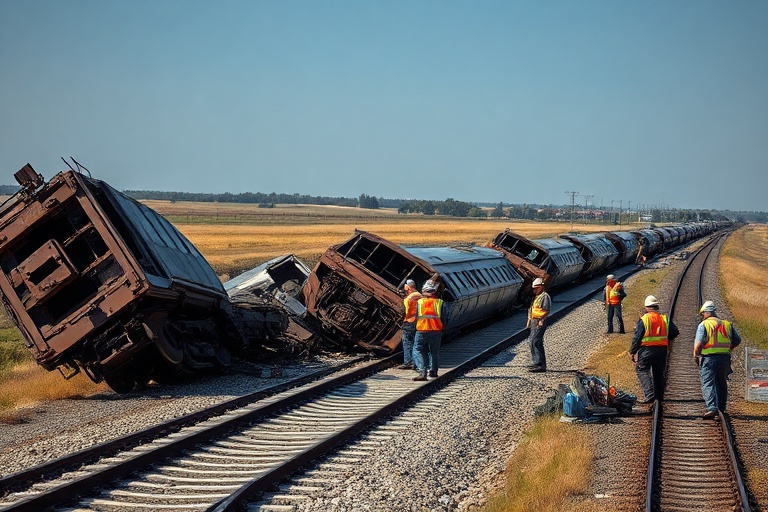
Derailment refers to the sudden and often unexpected failure of a system, process, or individual to maintain stability. While the term originated in railway engineering—where it describes a train leaving its tracks—it has since been adopted across psychology, organizational behavior, and project management to describe profound disruptions in human and mechanical systems alike.
The consequences of derailment can be severe. In transportation, derailments lead to catastrophic accidents, loss of life, and significant economic damage. In psychological contexts, derailment can refer to a breakdown in personal identity or life trajectory. Organizations face derailment when leadership failures or strategic missteps cause collapse. Despite its varied applications, the core concept remains consistent: a loss of control that disrupts normal functioning.
Psychological Derailment: When Life Takes an Unexpected Turn
In psychology, derailment describes a profound disruption in an individual’s sense of self or life direction. This phenomenon is often discussed in the context of major life transitions, trauma, or mental health crises. Unlike gradual change, derailment implies a sudden and jarring shift that forces individuals to reassess their identity, values, and goals.
Researchers from the University of California, Berkeley, have identified several key triggers for psychological derailment. These include job loss, divorce, diagnosis of a chronic illness, or the death of a loved one. Each of these events can abruptly alter an individual’s daily reality, leading to a reevaluation of personal narratives and future plans.
Recovery from psychological derailment often involves rebuilding one’s sense of purpose. Therapists frequently employ narrative therapy techniques, encouraging individuals to reframe their experiences as part of a larger, meaningful story. Support systems, including family, friends, and mental health professionals, play a critical role in this process. The goal is not to erase the disruption but to integrate it into a coherent and resilient identity.
Signs of Psychological Derailment
- Loss of motivation: A sudden disinterest in previously valued activities or goals.
- Emotional numbness: Difficulty experiencing joy, sadness, or other emotions.
- Identity confusion: Questioning who you are and what you stand for.
- Social withdrawal: Avoiding interactions with others due to feelings of isolation or shame.
Organizational Derailment: Leadership Failures and Strategic Collapse
In the corporate world, derailment occurs when an organization fails to achieve its goals due to poor leadership, flawed strategies, or external shocks. Unlike gradual decline, derailment is marked by rapid and often irreversible setbacks. High-profile examples include the collapse of Enron in 2001 and the bankruptcy of Blockbuster in 2010, both of which were precipitated by leadership decisions that ignored warning signs.
According to a study by the Harvard Business Review, organizational derailment is frequently linked to three critical failures: lack of adaptability, poor risk management, and misaligned incentives. Leaders who become overly committed to a single strategy—regardless of changing market conditions—are particularly vulnerable. Additionally, cultures that discourage dissent or prioritize short-term gains over long-term sustainability set the stage for derailment.
Preventing organizational derailment requires a commitment to continuous learning and adaptability. Leaders must cultivate environments where feedback is valued and strategic pivots are possible. Regular risk assessments and scenario planning can also help organizations anticipate potential disruptions before they escalate into crises.
Common Causes of Organizational Derailment
- Leadership hubris: Overconfidence in past successes leads to ignoring emerging threats.
- Cultural stagnation: Resistance to change stifles innovation and responsiveness.
- Financial mismanagement: Poor budgeting or excessive debt undermines stability.
- External shocks: Market disruptions, regulatory changes, or technological advancements render existing models obsolete.
Transportation Derailment: Engineering Failures and Safety Protocols
In railway systems, derailment remains a persistent challenge despite advances in safety technology. The Federal Railroad Administration reports that in the United States alone, there were over 1,000 train derailments in 2022, resulting in hundreds of injuries and significant infrastructure damage. These incidents are often caused by a combination of mechanical failures, human error, and environmental factors.
Mechanical causes include worn-out tracks, faulty wheelsets, or defective braking systems. Human error can range from misaligned switches to distracted or fatigued operators. Environmental factors, such as extreme weather or landslides, also contribute to derailment risks. Addressing these challenges requires a multi-faceted approach that combines rigorous maintenance, advanced monitoring systems, and comprehensive training programs.
Innovations such as positive train control (PTC) have significantly reduced derailment risks in recent years. PTC is an automated system that monitors train speeds and enforces speed restrictions in high-risk areas. Rail operators like Amtrak and BNSF Railway have invested heavily in PTC implementation, demonstrating its effectiveness in preventing collisions and derailments.
Preventing Transportation Derailment
- Regular infrastructure inspections: Identifying and repairing damaged tracks, switches, and signals.
- Advanced monitoring technology: Using sensors and AI to detect anomalies in real-time.
- Operator training: Ensuring engineers are prepared for emergency situations and understand safety protocols.
- Regulatory compliance: Adhering to federal and industry standards for maintenance and operations.
Recovering from Derailment: Lessons in Resilience
Whether in personal, organizational, or mechanical contexts, recovery from derailment hinges on adaptability and proactive problem-solving. Individuals rebuilding after psychological derailment often benefit from structured routines, therapeutic support, and community engagement. Organizations facing strategic derailment can regain stability by reassessing their mission, restructuring leadership, and investing in innovation. In transportation, recovery involves repairing infrastructure, retraining personnel, and implementing new safety measures.
Resilience, in these cases, is not about avoiding disruption entirely but developing the capacity to respond effectively when it occurs. This requires a combination of emotional fortitude, strategic foresight, and operational discipline. For example, the city of Pittsburgh experienced a major train derailment in 2022 that disrupted commuter services for months. The recovery effort involved not only repairing the tracks but also redesigning the transit system to improve redundancy and reliability.
Similarly, individuals facing psychological derailment can draw on resources from organizations like Dave’s Locker. Their platform offers tools for mental health support, including articles, community forums, and professional directories. By leveraging these resources, individuals can find guidance tailored to their unique circumstances.
Building Resilience After Derailment
- Acknowledge the disruption: Accepting that the derailment has occurred is the first step toward recovery.
- Seek support: Whether from professionals, peers, or mentors, external guidance can provide clarity and direction.
- Reevaluate priorities: Use the disruption as an opportunity to reassess goals and values.
- Take deliberate action: Small, consistent steps toward rebuilding can restore confidence and momentum.
Conclusion: The Inevitability of Disruption and the Power of Response
Derailment, in all its forms, is an inevitable part of complex systems. Whether it’s a train leaving its tracks, an organization failing to adapt, or an individual facing a personal crisis, disruption is a universal experience. What defines the outcome is not the derailment itself but the response to it. Resilience is cultivated through preparation, adaptability, and the willingness to learn from failure.
For individuals, this means embracing change and seeking support when needed. For organizations, it involves fostering cultures of innovation and accountability. In transportation, it requires investing in technology and training to mitigate risks. Ultimately, derailment is less about the failure itself and more about the opportunity to rebuild stronger and more resilient systems.
By understanding the causes and consequences of derailment, we can develop strategies to prevent it where possible and recover from it when necessary. In doing so, we transform disruption from a point of collapse into a catalyst for growth.