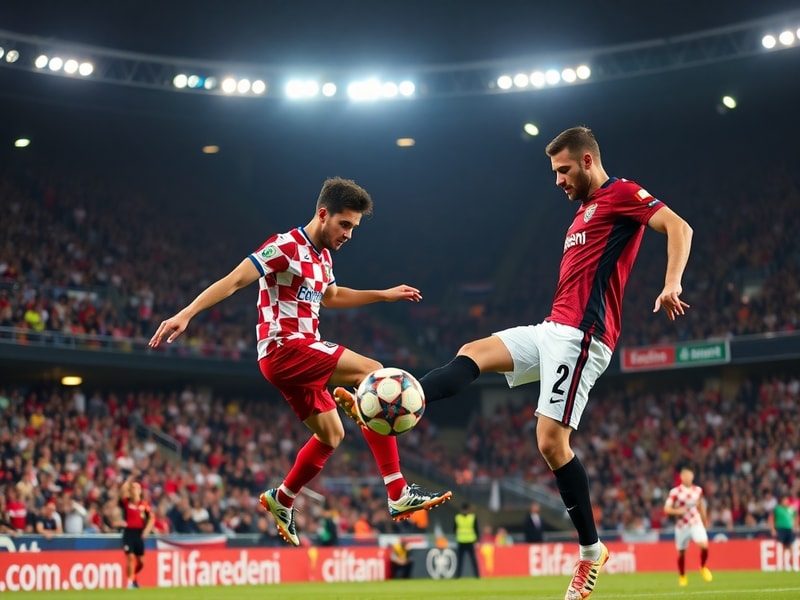
The MLS season has delivered another compelling matchup as LA Galaxy hosts Austin FC at Dignity Health Sports Park. This fixture was more than just another three points in the table—it was a tactical chess match between two teams with contrasting identities. Galaxy, the historic franchise with five MLS Cups, brought their veteran experience, while Austin FC, the expansion team that has quickly established itself as an attacking force, came in with something to prove.
The match reflected broader trends in the league: Galaxy’s aging core versus Austin’s youthful energy, possession-heavy tactics versus high-intensity pressing. Beyond the scoreboard, this game carried implications for playoff positioning, player development, and the evolving identity of Western Conference soccer.
Match Context and League Implications
Coming into the match, LA Galaxy sat just outside the top seven in the West, clinging to playoff hopes with inconsistent form. Austin FC, meanwhile, had emerged as a legitimate contender, sitting comfortably in the top half of the conference and known for their relentless attacking style under manager Josh Wolff.
The stakes were high for both sides. For Galaxy, a win could keep their postseason dreams alive. For Austin, a result would reinforce their status as a team built to challenge the established order. The contrast in approach was immediately evident: Galaxy relied on set-pieces and experienced playmakers, while Austin pressed high and looked to exploit transitions.
This game was a microcosm of the league’s shifting dynamics. Younger teams like Austin are no longer content to be underdogs. They bring fresh tactics, fitness, and ambition—challenging the old guard in ways that benefit the entire competition.
Key Moments That Defined the Game
The match unfolded in phases, with momentum swinging between both teams. Below are the pivotal moments that shaped the outcome:
- Early Austin Pressure: Within the first 15 minutes, Austin’s high press forced Galaxy into multiple turnovers, nearly creating a scoring chance. Their wing-backs pushed high, stretching Galaxy’s backline and creating overloads.
- Galaxy’s Set-Piece Threat: In the 28th minute, Galaxy nearly scored from a corner, with Chicharito rising highest but heading just wide. This became a recurring theme—Galaxy’s best chances came from dead-ball situations, a testament to their experience in big moments.
- Red Card Drama: Austin’s midfielder Sebastián Driussi received a straight red card in the 67th minute for a reckless challenge, reducing Austin to 10 men and shifting the game’s balance. The decision was controversial, with VAR review confirming the referee’s call.
- Galaxy Seizes the Advantage: With Austin down to 10, Galaxy increased their intensity. A quick counter in the 78th minute led to a goal—a threaded through-ball from Douglas Costa found Efraín Álvarez, who slotted past the keeper. The goal was a result of Galaxy’s disciplined structure and clinical execution.
- Late Drama: Austin threw everything forward in search of an equalizer, but Galaxy’s defense, marshaled by veteran Jorge Villafaña, held firm. A last-gasp Austin free kick sailed over the bar, sealing a crucial three points for the home side.
Tactical Breakdown: What the Game Revealed
This match offered a fascinating tactical snapshot of MLS in 2024. Galaxy’s approach was pragmatic: control set-pieces, minimize risks in midfield, and rely on individual quality in transition. Their formation shifted between a 4-4-2 and 4-2-3-1, depending on the phase of play. The midfield duo of Ilia Stolica and Eric Dueñas provided stability, allowing the wingers to track back and support the defense.
Austin, by contrast, played with a clear identity: high pressing, positional rotations, and quick vertical passes. Their 3-5-2 formation allowed wing-backs to overlap constantly, creating numerical advantages on the flanks. Wolff’s system demands fitness and coordination, and while Austin showed glimpses of brilliance, their execution faltered with 10 men.
The red card was the turning point. Suddenly, Austin’s intricate buildup was replaced by long balls and hopeful crosses—hardly the style that had made them dangerous. Galaxy, meanwhile, adjusted seamlessly, recognizing the opportunity to exploit space behind Austin’s high defensive line.
This game underscored a growing trend in MLS: teams that combine tactical discipline with adaptability are the ones that thrive. Galaxy’s experience shone in their ability to capitalize on Austin’s momentary lapse. Austin’s lesson was clear—talent alone isn’t enough; resilience under pressure is what separates good teams from great ones.
Broader Implications for the Season
The result had immediate ripple effects. For Galaxy, it was a statement win—one that could reignite their playoff push. Their veteran core, led by players like Javier Hernández and Douglas Costa, proved once again why experience matters in high-stakes moments.
For Austin, the loss was a setback, but not a catastrophic one. Their strong first half showed they can compete with any team in the league. However, the red card and lack of composure in the final third highlighted areas for improvement. The question now is whether Wolff can refine their decision-making in tight games.
Looking ahead, this match serves as a reminder of MLS’s competitive depth. Teams like Austin are no longer content to play catch-up. They arrive with clear identities, strong academies, and the ambition to challenge the traditional powerhouses. For Galaxy, this is a moment to regroup and remember what made them champions in the first place.
As the season progresses, expect more teams to adopt the high-pressing, possession-based models that Austin embodies. But also expect the experienced franchises—like Galaxy—to use their tournament pedigree to navigate the challenges of a long, grueling campaign.
Final Thoughts: A League in Evolution
LA Galaxy vs Austin FC was more than a single game. It was a reflection of where MLS stands today: a league where youth and experience collide, where tactics matter as much as talent, and where every match carries weight beyond the standings.
The contrast between the two teams—Galaxy’s veteran savvy and Austin’s youthful exuberance—mirrors the broader evolution of American soccer. The league is no longer just a retirement home for global stars or a developmental project for foreign clubs. It’s a legitimate competition with its own identity, style, and ambition.
As fans, we’re witnessing something special. The days of predictable outcomes are fading. Every match now offers a glimpse into the future of the sport in this country. And games like this one remind us why MLS continues to grow—not just in numbers, but in quality and character.
For Galaxy supporters, there’s hope in the veteran core’s resilience. For Austin fans, there’s belief in the project taking shape under Wolff. And for the rest of the league? There’s a clear message: the competition is getting fiercer, the soccer is getting better, and the story is far from over.
One thing is certain—when these two teams meet again, the stakes will be just as high, the stakes just as personal, and the soccer just as compelling.
For more analysis on MLS trends and team performances, visit our News and Analysis sections.