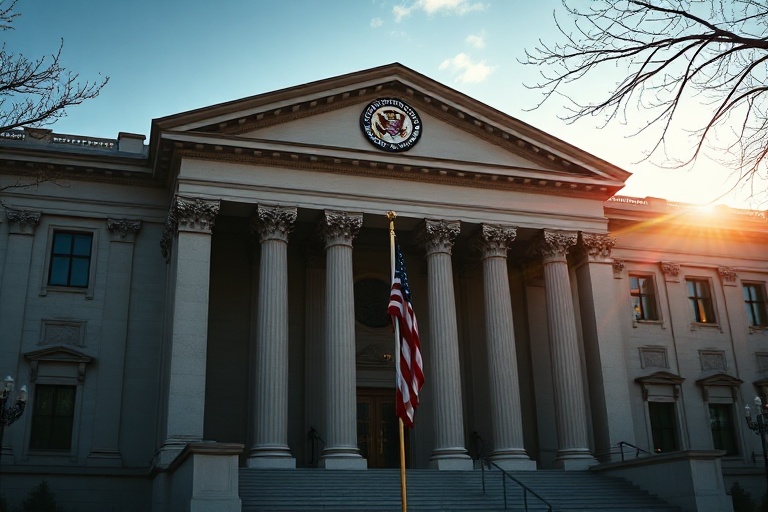
Understanding the Role of the United States Department of Justice
Overview of the United States Department of Justice
The United States Department of Justice (DOJ) serves as the federal executive department responsible for enforcing the law and administering justice in the country. Established in 1870, the DOJ plays a critical role in maintaining the rule of law, protecting civil rights, and ensuring public safety. It is headed by the Attorney General, who is a member of the President’s Cabinet.
With a vast array of responsibilities, the DOJ oversees various divisions and agencies that address issues ranging from civil rights violations to criminal prosecutions. Its multifaceted approach reflects a commitment to uphold justice while adapting to the evolving challenges within the legal landscape.
Key Responsibilities of the DOJ
The DOJ’s functions encompass a wide range of legal matters. Below are some of the key responsibilities it undertakes:
- Criminal Prosecutions: The DOJ prosecutes individuals and organizations for federal crimes, including drug trafficking, white-collar crime, and terrorism.
- Civil Rights Enforcement: The department works to protect the civil rights of all individuals, addressing issues such as discrimination and hate crimes.
- Antitrust Enforcement: The DOJ investigates and prosecutes antitrust violations to promote fair competition in the marketplace.
- Immigration Law: The DOJ manages immigration-related cases, including appeals and legal representation in immigration courts.
- National Security: The department plays a crucial role in protecting national security through intelligence and counterterrorism efforts.
The DOJ in Action: Recent Initiatives
In recent years, the DOJ has undertaken several significant initiatives aimed at addressing pressing legal and social issues. These initiatives reflect the department’s responsiveness to contemporary challenges and its commitment to justice.
One notable initiative is the focus on police reform. In light of heightened scrutiny of law enforcement practices, the DOJ has actively engaged in investigations and entered into consent decrees with various police departments. This approach aims to promote accountability and restore public trust in law enforcement agencies.
Additionally, the DOJ has ramped up efforts to combat human trafficking and cybercrime. These initiatives demonstrate the department’s adaptability in confronting modern criminal threats and its dedication to safeguarding vulnerable populations.
Broader Implications of DOJ Actions
The actions taken by the DOJ have far-reaching implications for American society. As the department enforces laws and implements reforms, it shapes the legal framework within which citizens operate. The DOJ’s commitment to civil rights and justice influences public perception of the legal system.
Moreover, the DOJ’s initiatives often set precedents that impact future legislation and policy-making. For instance, the focus on police reform can lead to broader discussions about systemic issues within law enforcement and ultimately influence legislative changes at both state and federal levels.
Furthermore, the DOJ’s approach to national security and counterterrorism affects civil liberties and individual rights. Striking a balance between national security and personal freedoms remains a complex challenge that the department must navigate carefully.
Conclusion: The DOJ’s Role in Upholding Justice
The United States Department of Justice plays a pivotal role in maintaining the integrity of the legal system. Through its various divisions and initiatives, the DOJ addresses a multitude of issues that affect the lives of American citizens. As it continues to adapt to new challenges, the department remains committed to upholding justice and protecting the rights of individuals.
In a time of rapid societal change, the DOJ’s actions not only reflect current legal standards but also influence future developments in law and policy. Its dedication to justice and civil rights is essential for fostering a fair and equitable society.