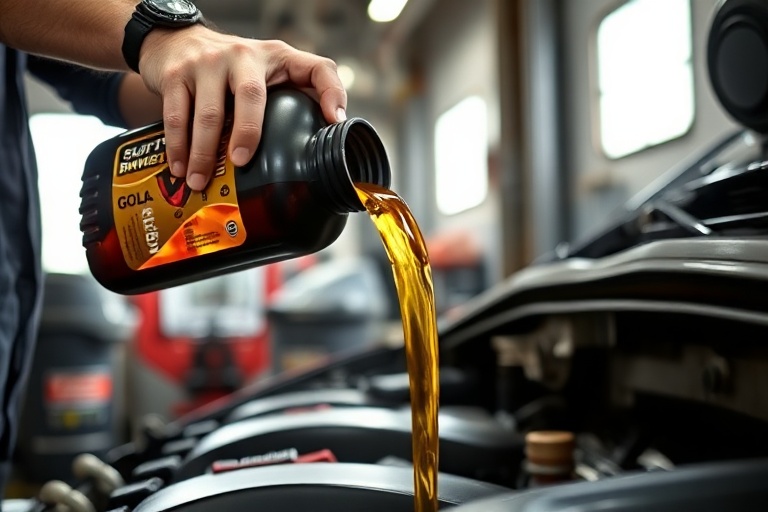
How Engine Oil Powers the Modern World Without You Knowing
“`html
The Lifeblood of Motion
Engine oil is the unsung hero of the industrial age, circulating through millions of vehicles and machines daily without fanfare. Yet its role extends far beyond mere lubrication. This viscous fluid protects engines from extreme heat, prevents corrosion, and ensures smooth operation across diverse climates and terrains. The history of engine oil traces back to the late 19th century when early automobiles demanded better solutions than animal fats or vegetable oils. Today, it has evolved into a sophisticated blend of base oils and additives tailored for specific applications.
Globally, the engine oil market reflects regional priorities and environmental regulations. In Europe, where fuel efficiency regulations are stringent, synthetic oils dominate due to their superior performance in extreme temperatures. Meanwhile, in developing markets like India and Southeast Asia, mineral oils remain popular for their affordability and widespread availability. The cultural significance of engine oil also varies. In some regions, mechanics are local heroes, revered for their ability to diagnose engine issues by smell or sound—a skill passed down through generations.
The Science Behind the Slip
Modern engine oils are engineered marvels, typically classified by viscosity grades (like 5W-30) and performance standards (such as API SN or ILSAC GF-6). These classifications ensure compatibility with different engine designs and operating conditions. The base oil—whether mineral, synthetic, or semi-synthetic—provides the foundation, while additives like detergents, dispersants, and anti-wear agents enhance functionality.
Additives serve distinct purposes. Detergents prevent sludge buildup by neutralizing acids formed during combustion. Dispersants keep contaminants suspended in the oil, preventing them from clumping together. Anti-wear agents, such as zinc dialkyldithiophosphate (ZDDP), form protective layers on metal surfaces, reducing friction and extending engine life. The balance between these components is critical; too much detergent can lead to excessive foaming, while insufficient anti-wear protection accelerates engine wear.
The Global Supply Chain
The engine oil industry is a complex web of producers, distributors, and recyclers. Major players like Castrol, Mobil, and Shell operate worldwide, but regional manufacturers also thrive by catering to local preferences. For instance, in Russia, brands like Lukoil dominate due to import restrictions and state support. The supply chain faces ongoing challenges, from geopolitical tensions affecting crude oil prices to the push for sustainable sourcing.
Environmental concerns are reshaping the industry. The European Union’s REACH regulations restrict certain additives, pushing manufacturers toward bio-based and low-viscosity oils. In contrast, markets like the United States lag in adopting stricter standards, partly due to consumer resistance to higher costs. Recycling used oil is another critical issue. Only about 50% of used oil is properly collected and re-refined globally, leaving the rest to contaminate soil and waterways. Innovations in re-refining technology, such as the hydroprocessing methods pioneered by companies like Safety-Kleen, are gradually improving these figures.
Cultural Rituals and Economic Impact
Engine oil is woven into the fabric of many societies. In the United States, the Friday night ritual of changing oil at home or at quick-lube shops is a rite of passage for car enthusiasts. Conversely, in Japan, where precision and efficiency are prized, oil changes are often performed at dealerships with meticulous attention to detail. The economic impact of engine oil extends beyond the automotive sector. It fuels logistics, agriculture, and manufacturing—any industry reliant on machinery. In oil-rich nations like Saudi Arabia, engine oil production is a cornerstone of economic diversification efforts, with companies investing in research to develop next-generation lubricants.
The global engine oil market is projected to reach $50 billion by 2027, driven by the rise of electric vehicles (EVs) and hybrid systems. While EVs require less traditional oil, their transmissions and battery cooling systems still depend on specialized fluids. This transition is forcing oil companies to adapt. For example, ExxonMobil has invested heavily in synthetic lubricants for EVs, while smaller firms explore niche markets like racing oils or high-performance motorcycle fluids.
Challenges and Innovations
The engine oil industry faces a paradox: as engines become more advanced, the demand for higher-performance oils grows, yet sustainability pressures push for lower environmental impact. One solution lies in synthetic base oils, which offer superior protection and longevity compared to conventional oils. Companies like AMSOIL have pioneered “extended drain” oils, allowing vehicles to go up to 25,000 miles between changes—a boon for commercial fleets and cost-conscious drivers.
Another innovation is the development of “eco-friendly” oils made from renewable resources. Bio-based oils, derived from plants like canola or soybean, are gaining traction in Europe and parts of Asia. However, their adoption is limited by performance trade-offs in extreme conditions. For instance, bio-based oils may break down at high temperatures, making them unsuitable for heavy-duty applications.
The industry is also grappling with counterfeit oils, a widespread problem in markets like China and Nigeria. Fake oils, often diluted with cheap base stocks or contaminated with water, can cause catastrophic engine failure. Authorities and manufacturers are combating this through stricter regulations, holographic labeling, and public awareness campaigns.
The Future: Electric and Beyond
The rise of electric vehicles (EVs) presents both a challenge and an opportunity for the engine oil industry. While EVs eliminate the need for traditional motor oil, they introduce new demands for specialized fluids. Electric vehicle gear oils, for example, must handle higher temperatures and provide electrical insulation to prevent arcing. Companies like Valvoline and Fuchs have developed dedicated EV fluids, positioning themselves for the transition.
Looking further ahead, the concept of “smart oils” equipped with sensors to monitor engine health is on the horizon. These oils could communicate with vehicle systems to optimize performance, predict maintenance needs, and reduce waste. The integration of AI and IoT into lubrication technology could redefine the role of engine oil from a passive component to an active participant in vehicle management.
A Legacy in Motion
Engine oil may lack the glamour of flashy automotive designs or cutting-edge infotainment systems, but its impact is undeniable. It is the silent force that keeps the wheels of industry turning, from the bustling streets of Mumbai to the remote highways of Alaska. As the world shifts toward sustainability and electrification, the engine oil industry must evolve or risk obsolescence. Yet, even in a future dominated by EVs, lubricants will remain essential, proving that some legacies are built to last.
The next time you start your car, take a moment to acknowledge the complex fluid that makes it all possible. Engine oil is more than just a commodity; it is a testament to human ingenuity, a global supply chain, and a cultural artifact that connects us to the industrial age and beyond.