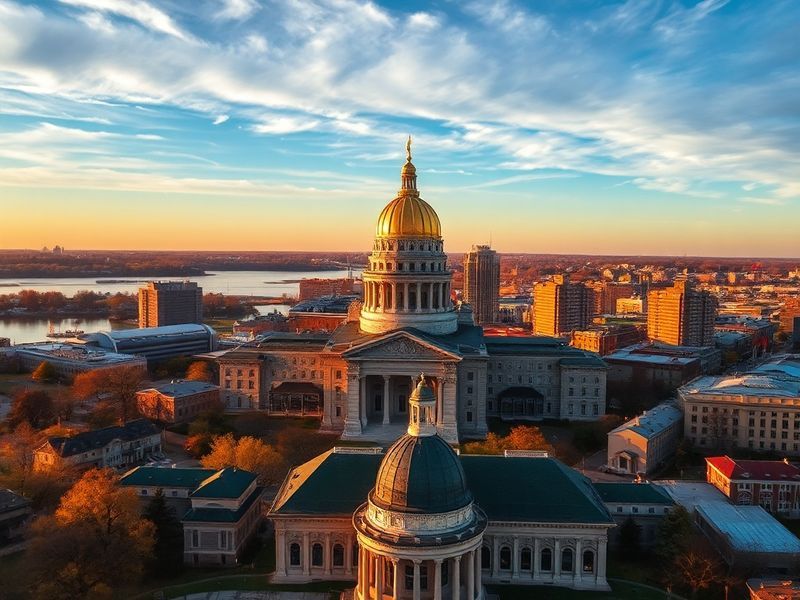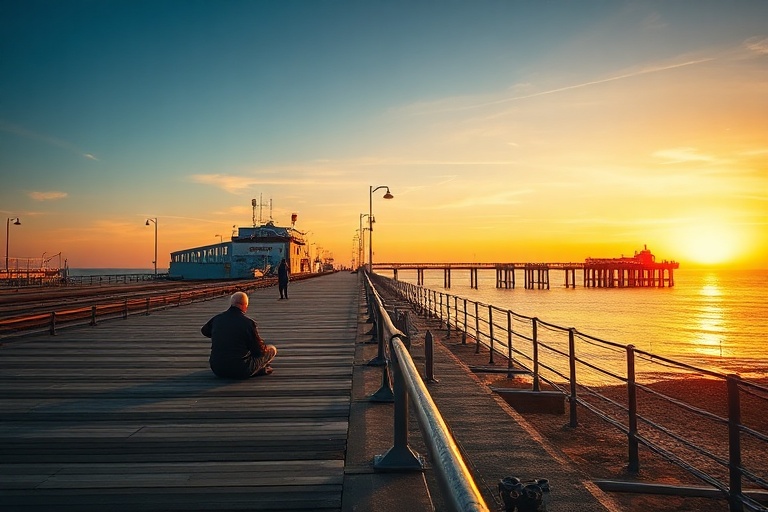
Southend-on-Sea has long stood as a distinct jewel in Essex’s crown, a place where the North Sea’s brisk winds meet a vibrant, working-class culture. Unlike its more glamorous southern neighbors, the town thrives on authenticity—its pebble beaches, arcades, and pier serving as the backbone of a community that refuses to be overshadowed by time. While some British seaside towns have faded into obscurity, Southend has adapted, balancing tradition with reinvention.
Its story is one of resilience. Once a modest fishing village, Southend grew into a bustling Victorian resort town, thanks in large part to the arrival of the railway in the mid-19th century. Today, it remains a microcosm of broader social and economic shifts in coastal Britain, where tourism, regeneration projects, and local identity intersect in complex ways. To understand Southend is to examine how places like it navigate the pressures of modernity while preserving their character.
The Pier: A Symbol of Southend’s Past and Future
The town’s most iconic landmark is its pier, stretching 1.34 miles into the Thames Estuary and claiming the title of the world’s longest pleasure pier. Built in 1830 as a landing stage for steamships, it evolved into a bustling entertainment hub by the Edwardian era, complete with theatres, cinemas, and amusement arcades. Yet its story is not one of uninterrupted success. Storms, fires, and budget cuts have repeatedly threatened its existence.
The most devastating blow came in 2005 when a fire destroyed much of the pier head. The blaze, which raged for over 24 hours, left behind a skeletal frame and a community in mourning. Yet, rather than abandoning the structure, Southend rallied. A £30 million restoration project began in 2010, culminating in the reopening of the pier head in 2012 as a modern entertainment venue. Today, it hosts live music, comedy nights, and seasonal events, proving that even in decline, a symbol can be reborn.
This cycle of destruction and renewal mirrors broader themes in British coastal regeneration. Piers across the UK have faced similar fates, yet Southend’s ability to reinvent itself offers a case study in adaptive resilience. The pier’s survival depends not just on structural repairs but on cultural relevance. As local council leader David Simmons noted, “The pier isn’t just wood and iron—it’s memory, identity, and a place where people come to belong.”
From Holiday Hotspot to Year-Round Destination
Southend’s relationship with tourism has shifted dramatically over the decades. In the early 20th century, it was a premier holiday destination, drawing crowds from London eager for a taste of the seaside. The opening of the Kursaal amusement park in 1901 cemented its reputation as a fun-filled escape, complete with roller coasters, ballrooms, and fairground rides. For generations, families flocked to its shores, lured by the promise of fish and chips, penny arcades, and the salty tang of the sea.
But by the 1980s and 1990s, the town faced a decline as package holidays abroad became more accessible. The Kursaal closed in 1973, and its demolition in 1975 left a void in the town’s entertainment landscape. Yet Southend refused to surrender to nostalgia. Instead, it began to redefine itself. The rise of budget airlines and the internet didn’t kill coastal tourism—they transformed it. Today, Southend markets itself as a “staycation gem,” appealing to Londoners seeking a quick escape without the hassle of airports or long drives.
This shift reflects a broader trend in British tourism. While international travel remains aspirational, domestic holidays have seen a resurgence, particularly post-pandemic. Southend’s proximity to London—just 40 minutes by train—makes it an ideal candidate for this revival. The town’s affordability compared to Brighton or Margate adds to its appeal, offering a grittier, more authentic alternative.
Key Factors in Southend’s Tourism Resurgence
- Proximity to London: Easy access via c2c rail makes it a convenient option for weekend getaways.
- Affordability: Lower costs than Brighton or Margate attract budget-conscious travelers.
- Cultural Events: The Cliffs Pavilion and other venues host a steady calendar of performances.
- Food and Drink Scene: A growing number of independent cafes, pubs, and restaurants cater to diverse tastes.
Southend’s Cultural Identity: Working-Class Pride and Creative Energy
Southend’s charm lies in its unpretentiousness. It’s not a town that trades on sophistication; it thrives on grit. The working-class ethos is woven into its fabric, from the dockworkers who built its maritime heritage to the artists and musicians who now call it home. The town’s music scene, in particular, has punch above its weight. Bands like Blur and Depeche Mode have cited Southend’s influence, and venues like the Railway Hotel and Chinnerys have nurtured local talent for years.
This creative energy is part of a wider movement in post-industrial British towns. As traditional industries decline, culture and tourism often fill the gap. Southend’s story aligns with that of places like Hastings or Margate, where art, music, and food scenes have become economic lifelines. Yet Southend’s identity is distinct. Its proximity to London means it’s not just a refuge for artists priced out of the capital—it’s a place with its own voice.
Consider the town’s culinary scene, which has seen a surge in independent eateries. From the seafood shacks along the seafront to the multicultural kitchens of the High Street, Southend’s food culture reflects its diversity. The annual Southend Food & Drink Festival, now in its tenth year, showcases this blend of tradition and innovation, drawing visitors from across the region.
The Broader Implications: What Southend’s Story Tells Us About Coastal Britain
Southend-on-Sea is more than just a quirky seaside town. It’s a microcosm of the challenges and opportunities facing coastal communities in the 21st century. Its struggles with regeneration, tourism, and identity mirror those of other British seaside towns, from Blackpool to Bournemouth. Yet its successes offer lessons in adaptability.
One of the most significant trends in coastal Britain is the tension between preservation and progress. How does a town honor its history while embracing change? Southend’s approach has been pragmatic. The pier’s restoration didn’t aim to recreate the past; it sought to give the structure new purpose. Similarly, the town’s cultural revival isn’t about nostalgia—it’s about building something sustainable.
Another critical factor is connectivity. Southend’s railway link to London has been both a blessing and a curse. It brought prosperity in the Victorian era but also made the town vulnerable to competition from abroad. Today, however, that same connection is an asset. In an era where remote work is common, towns like Southend can position themselves as “commuter havens” for those who want a slower pace of life without sacrificing access to urban opportunities.
Finally, Southend’s story highlights the importance of community. Regeneration projects often fail when they’re top-down; Southend’s successes have come when locals have led the charge. Whether it’s the volunteers who run the Adventure Island theme park or the artists who curate the town’s galleries, the people of Southend have shown that identity isn’t something you can impose—it’s something you nurture.
As the UK grapples with the future of its coastal towns, Southend-on-Sea offers a blueprint. It’s a place that refuses to be defined by its past, yet doesn’t ignore it. Instead, it weaves history and innovation into a tapestry that feels distinctly its own. In a country where many towns are fighting to stay relevant, Southend is proving that charm, grit, and adaptability can go a long way.
For those willing to look beyond the stereotypes of British seaside towns—pasties, Punch and Judy, and all—Southend-on-Sea reveals a more complex, compelling picture. It’s a place where the sea meets the street, where tradition and modernity coexist, and where a community’s spirit is as enduring as the tides.
To explore more about Britain’s coastal towns and their cultural significance, visit Dave’s Locker Travel section. For deeper analysis on regeneration projects, check out Dave’s Locker Analysis.