The BBC has long served as a critical source of information for understanding complex climate phenomena like El Niño. As one of the world’s most trusted news organizations, its coverage of this cyclical weather pattern offers more than just updates—it provides context, analysis, and implications for millions of viewers and readers worldwide.
The Science Behind El Niño: What the BBC Explains
El Niño is part of the El Niño-Southern Oscillation (ENSO) cycle, a natural climate phenomenon characterized by the periodic warming of sea surface temperatures in the central and eastern tropical Pacific Ocean. The BBC breaks down these scientific concepts in ways that make them accessible to general audiences without oversimplifying the complexity of atmospheric and oceanic interactions.
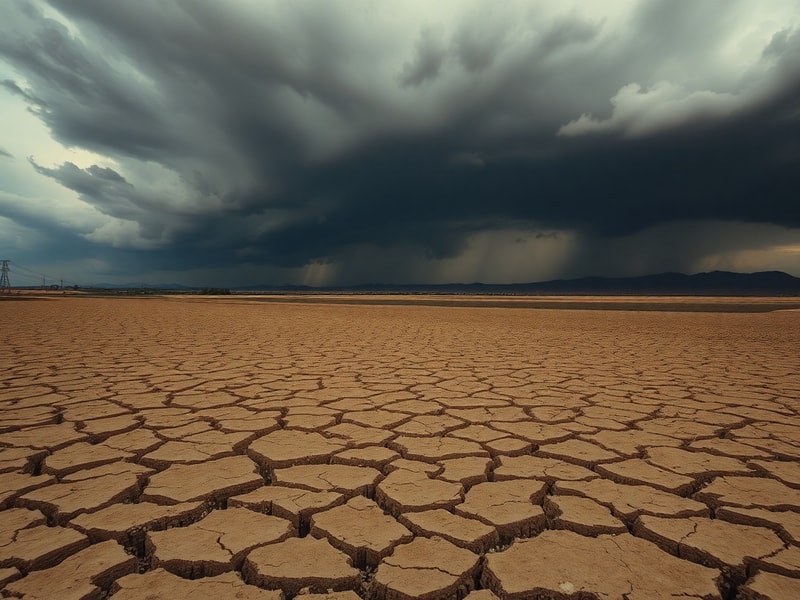
According to the BBC’s science reporting team, El Niño events typically occur every two to seven years and can last anywhere from nine to twelve months. During an El Niño event, trade winds weaken, allowing warm water to slosh eastward toward the western coasts of the Americas. This shift disrupts normal weather patterns, often leading to increased rainfall in the southern United States and droughts in regions like Australia and Southeast Asia.
The BBC frequently collaborates with meteorologists and climate scientists to explain these processes. For instance, during the 2015-2016 El Niño—the strongest in nearly two decades—the BBC published detailed explainers that included graphics and animations to illustrate how warm water displaced cooler currents and altered global weather systems.
Key Takeaways from BBC’s Scientific Coverage of El Niño
- ENSO Cycle: El Niño is part of a larger climate cycle that includes La Niña (the cooling phase) and neutral conditions.
- Global Reach: Changes in Pacific Ocean temperatures influence weather patterns far beyond the tropics.
- Predictability: While El Niño events are unpredictable in timing, scientists can forecast their development months in advance using ocean buoys and satellite data.
- Human Impact: The BBC emphasizes how El Niño exacerbates extreme weather events, from floods in Peru to wildfires in Indonesia.
BBC’s Reporting on El Niño’s Human and Economic Toll
Beyond the science, the BBC dedicates significant coverage to the human and economic consequences of El Niño. Its journalists often travel to the most affected regions, providing on-the-ground reports that highlight the struggles of communities facing climate extremes.
For example, during the 2015-2016 El Niño, the BBC documented the devastating effects on agriculture in Ethiopia, where drought conditions led to severe food shortages. Correspondents also reported on the increased risk of diseases like cholera and dengue fever in areas with heavy rainfall and flooding. These stories are not just news dispatches; they are calls to action, urging governments and aid organizations to prepare and respond.
The economic impact of El Niño is another focus of the BBC’s reporting. The organization has highlighted how disruptions in global supply chains—such as reduced coffee and cocoa production in West Africa—can lead to price spikes and shortages. In 2016, the BBC published an analysis showing how El Niño contributed to a 20% increase in cocoa prices, affecting chocolate manufacturers worldwide.
How the BBC Connects Climate Science to Real-World Consequences
- Food Security: Reduced crop yields in key agricultural regions threaten global food supplies, as seen in the 2015-2016 El Niño.
- Health Risks: Flooding and droughts create ideal conditions for disease outbreaks, straining healthcare systems in vulnerable countries.
- Economic Disruptions: Industries reliant on weather-sensitive commodities face volatility, impacting livelihoods and economies.
- Infrastructure Damage: Extreme weather events damage roads, bridges, and utilities, slowing economic recovery in affected areas.
For more in-depth analysis on how climate events like El Niño intersect with global economics, visit Dave’s Locker Business Section.
Global Response and Future Preparedness: What the BBC Advocates
The BBC doesn’t just report on El Niño—it often advocates for better preparedness and international cooperation. Its editorials and opinion pieces frequently call for investments in early warning systems, climate-resilient infrastructure, and cross-border collaboration to mitigate the impacts of future El Niño events.
In recent years, the BBC has emphasized the role of climate change in amplifying El Niño’s effects. While El Niño is a natural phenomenon, rising global temperatures may intensify its impacts. For example, warmer oceans can fuel stronger storms, while higher evaporation rates can exacerbate droughts. The BBC has interviewed leading climate scientists who warn that the frequency and severity of El Niño events could increase if global warming continues unchecked.
The organization has also spotlighted successful adaptation strategies. In Peru, where El Niño often brings catastrophic flooding, the government has invested in flood defenses and community education programs. The BBC featured these efforts in a 2023 documentary, showcasing how proactive measures can save lives and reduce economic losses.
Additionally, the BBC has explored the role of technology in improving El Niño predictions. Advances in machine learning and AI are enabling scientists to analyze vast datasets and identify patterns that were previously undetectable. The BBC’s technology desk has covered how these innovations are helping meteorologists refine their forecasts and give governments more time to prepare.
BBC’s Recommendations for Future El Niño Preparedness
- Early Warning Systems: Invest in technology to monitor ocean temperatures and atmospheric conditions in real time.
- Community Resilience: Educate vulnerable populations on disaster preparedness and climate-smart agriculture.
- International Cooperation: Strengthen global partnerships to share resources and expertise during climate crises.
- Policy Integration: Incorporate climate risk assessments into national development plans and infrastructure projects.
To explore how technology is shaping our understanding of climate patterns, check out Dave’s Locker Science Section.
Conclusion: Why BBC’s El Niño Coverage Matters
The BBC’s coverage of El Niño is more than a series of news reports—it is a vital resource for understanding one of the most influential climate phenomena on Earth. By combining rigorous science reporting, on-the-ground journalism, and advocacy for preparedness, the BBC equips its audience with the knowledge they need to navigate a changing climate.
In an era where extreme weather events are becoming more frequent and unpredictable, the BBC’s role in educating the public and holding institutions accountable has never been more critical. Its reporting on El Niño serves as a reminder that climate phenomena are not distant scientific concepts but immediate, tangible forces that shape our world in profound ways.
As we look to the future, the lessons learned from El Niño events will be essential in building a more resilient global society. The BBC’s continued focus on this issue ensures that audiences remain informed, engaged, and prepared for the challenges ahead.