Drill Instructors: The Global Evolution of Military Mentors
The role of the drill instructor spans centuries and continents, transforming from a brutal enforcer of discipline into a sophisticated trainer who shapes both bodies and minds. These figures appear in militaries worldwide, though their methods, reputations, and cultural significance vary dramatically. From the stern sergeants of the U.S. Marine Corps to the rigorous instructors of the British Army, drill instructors occupy a unique space where authority meets mentorship.
Historically, drill instructors emerged as the backbone of military training, ensuring recruits met physical and behavioral standards. Their presence is often felt long after basic training concludes, as their lessons in discipline and teamwork linger in the minds of soldiers. Yet, the role has evolved beyond mere intimidation. Modern drill instructors blend leadership with psychology, adapting to changing military needs and societal expectations.
The Origins and Historical Role of Drill Instructors
The concept of the drill instructor traces back to ancient civilizations, where military leaders like the Spartans and Roman centurions relied on harsh training methods to forge elite warriors. The word “drill” itself originates from Middle Dutch drillen, meaning to practice or exercise, reflecting the repetitive nature of military training.
By the 18th and 19th centuries, formalized military academies in Europe and America institutionalized the role. The British Army, for example, developed the position of the “Regimental Sergeant Major,” a senior non-commissioned officer tasked with maintaining discipline and standards. Meanwhile, the U.S. Army and Marine Corps adopted similar roles, with drill instructors becoming symbols of unyielding standards.
In wartime, the importance of drill instructors intensified. During World War II, the U.S. Marine Corps’ boot camps produced some of the most resilient soldiers in history, thanks in part to the relentless training overseen by drill instructors. Their reputation for toughness became legendary, shaping the public perception of military discipline for generations.
Drill Instructors in Modern Militaries: A Global Perspective
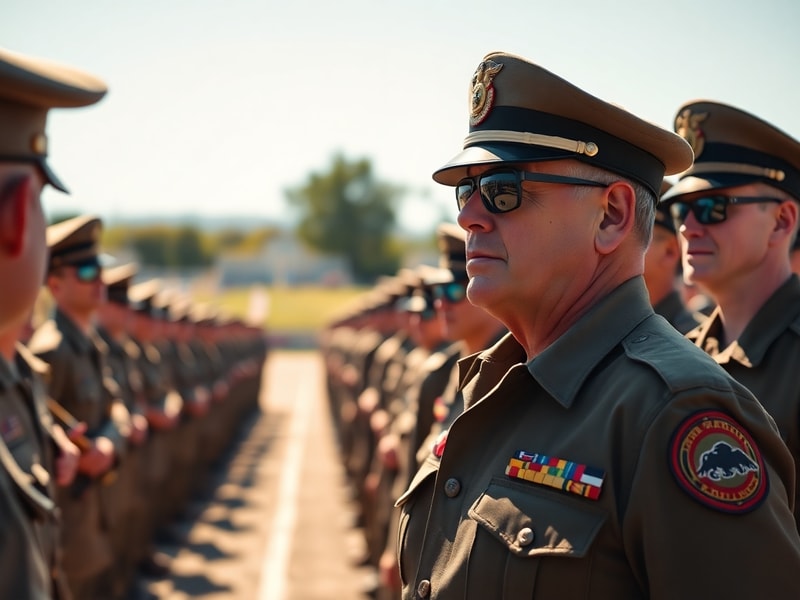
Today, drill instructors operate in militaries across the globe, each adapting their approach to cultural and institutional needs. The U.S. Marine Corps, for instance, maintains one of the most recognizable programs, where drill instructors are selected for their leadership skills and ability to push recruits to their limits. The Military branch’s training philosophy emphasizes mental resilience as much as physical prowess, with instructors often using psychological tactics to build confidence and cohesion.
In contrast, the British Army’s drill instructors focus on precision and tradition. Their training methods are steeped in history, with an emphasis on ceremonial drills and formal discipline. This approach reflects the British military’s broader emphasis on tradition and hierarchy, where respect for rank and protocol is paramount.
Other countries have developed their own unique variations:
- Israel: The Israel Defense Forces (IDF) employs a highly decentralized training system, where drill instructors often serve as mentors rather than authoritarian figures. Their role includes psychological support, reflecting the IDF’s emphasis on resilience in a high-stress environment.
- Russia: Russian military training retains a Soviet-era focus on endurance and pain tolerance. Drill instructors here are known for their harsh methods, designed to instill unquestioning obedience and toughness.
- Japan: The Japan Self-Defense Forces (JSDF) blend Western-style discipline with Eastern philosophies of respect and self-control. Drill instructors in Japan often incorporate meditation and mindfulness techniques into their training.
This global diversity highlights how drill instructors serve as both enforcers and cultural ambassadors, embodying the values of their respective militaries.
The Psychological and Cultural Impact of Drill Instructors
The influence of drill instructors extends far beyond the barracks. Their methods shape not only soldiers but entire military cultures. In the U.S., for example, drill instructors are often portrayed in films and media as larger-than-life figures, symbolizing the ultimate authority. This cultural representation reinforces the idea of the military as a disciplined, hierarchical institution.
However, the psychological toll of their methods is a subject of ongoing debate. Critics argue that harsh training techniques can lead to mental health issues, including PTSD and burnout. Proponents counter that such methods forge unbreakable bonds and prepare soldiers for the horrors of combat. The truth likely lies somewhere in between, with the effectiveness of drill instructors depending heavily on their ability to balance toughness with empathy.
Culturally, drill instructors also serve as symbols of national identity. In countries like South Korea, where mandatory military service is a rite of passage, drill instructors are often seen as father figures, guiding young men through a transformative experience. In contrast, in nations with voluntary militaries, such as the U.S., drill instructors are more likely to be viewed as strict but necessary figures in the journey toward becoming a soldier.
The Future of Drill Instructors in an Evolving Military Landscape
As military technology advances, the role of the drill instructor is also evolving. Modern armies are increasingly prioritizing mental health and adaptability, leading to a shift in training methodologies. Drill instructors today must balance traditional discipline with psychological support, ensuring recruits are both physically and mentally prepared for the challenges ahead.
The rise of Technology in warfare has further complicated their role. With drones, cyber warfare, and AI playing larger roles in modern conflicts, drill instructors must now prepare soldiers for a battlefield that looks nothing like the trenches of World War I. This requires not only physical training but also education in cutting-edge military technologies.
Additionally, the global trend toward professionalization in militaries means that drill instructors are increasingly being recognized as educators rather than just enforcers. Their role now includes teaching critical thinking, leadership, and adaptability—skills that are just as vital as marksmanship and endurance.
Looking ahead, the future of drill instructors will likely be shaped by two competing forces: the need for discipline and the demand for flexibility. As militaries adapt to new threats and societal expectations, drill instructors will remain at the forefront, guiding the next generation of soldiers toward excellence.
Conclusion
Drill instructors have been the backbone of military training for centuries, evolving from stern enforcers to multifaceted mentors. Their role is a reflection of the values and needs of the societies they serve, whether through the traditional discipline of the British Army or the psychological resilience emphasized in the IDF. As military landscapes shift, so too will the methods of these critical figures, ensuring their legacy endures in the ever-changing world of defense and training.
One thing remains certain: the drill instructor will always be more than just a trainer. They are a symbol of authority, a guardian of tradition, and, above all, a builder of character.