NBA Finals: How Basketball Became a Global Cultural Phenomenon
“`html
The NBA Finals: A Global Spectacle Bridging Cultures Through Basketball
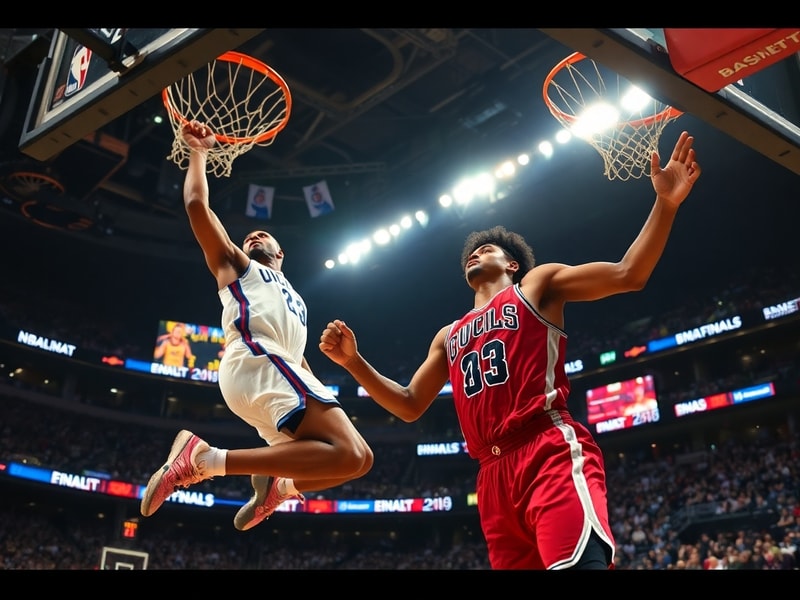
The NBA Finals represent more than just the culmination of a grueling basketball season. They are a cultural bridge, connecting millions of fans across continents through shared moments of triumph, drama, and athletic brilliance. With viewership spanning over 200 countries, the Finals have evolved into a global phenomenon that transcends sports, reflecting broader societal trends and technological shifts.
The Evolution of the NBA Finals: From Local Rivalries to Global Stages
When the NBA Finals began in 1947, they were a modest affair confined to American audiences. The first series featured the Philadelphia Warriors defeating the Chicago Stags in five games, a far cry from today’s multi-platform, multi-timezone spectacle. Over the decades, the Finals grew in tandem with the league’s expansion, both domestically and internationally.
The 1980s and 1990s marked a turning point. The rivalry between Magic Johnson’s Los Angeles Lakers and Larry Bird’s Boston Celtics brought unprecedented attention to the Finals. Their 1984 clash remains one of the most-watched NBA games in history, drawing 29 million American viewers. Yet even then, the Finals were beginning to attract overseas interest, particularly in Europe and the Philippines, where basketball was already deeply rooted.
Today, the NBA Finals are a 24-hour global event. The league’s international broadcast deals now reach over 1 billion homes. Stars like LeBron James, Stephen Curry, and Giannis Antetokounmpo aren’t just American icons—they’re household names in cities like Beijing, Paris, and Lagos. The Finals are no longer just an American sports final; they’re a worldwide celebration of basketball culture.
Key Moments That Shaped the Finals’ Global Expansion
- 1992 Barcelona Olympics: The “Dream Team” featuring Michael Jordan, Magic Johnson, and Larry Bird showcased NBA talent on a global stage, sparking international interest in the league.
- 2002 Yao Ming’s debut: The Houston Rockets’ Chinese center became a symbol of the NBA’s push into Asia, drawing record TV ratings in China.
- 2010s social media boom: Platforms like Twitter and Instagram allowed players to connect directly with fans worldwide, turning stars into global influencers.
- 2020 NBA Bubble: Held in Orlando during the COVID-19 pandemic, the Finals were broadcast in over 200 countries, proving the league’s digital resilience.
Cultural Impact: How the NBA Finals Reflect and Shape Global Identity
The NBA Finals do more than entertain—they serve as a mirror reflecting cultural shifts. In the 1960s, Bill Russell’s Celtics dominated during the Civil Rights Movement, using basketball as a platform for social commentary. Decades later, players like LeBron James and Stephen Curry leveraged their Finals platforms to address racial injustice, police brutality, and education inequality.
Globally, the Finals influence fashion, music, and even language. The NBA’s signature sneaker culture has spread from American courts to Tokyo streets, where collaborations between brands and players drive trends. In Africa, the rise of players like Joel Embiid and Pascal Siakam has inspired a new generation of basketball talent, reshaping the continent’s sporting identity.
In Europe, the Finals have helped basketball surpass soccer in popularity among younger generations in countries like France and Spain. The NBA’s emphasis on spacing and three-point shooting has influenced European basketball tactics, creating a hybrid style that blends American athleticism with international technique.
“Basketball is a universal language. The Finals give people everywhere a shared experience, whether they’re in New York, Nairobi, or Manila.” —Phil Jackson, former NBA coach and executive
The Business of the Finals: A Multi-Billion-Dollar Global Industry
The NBA Finals are big business. In 2023, the league generated over $10 billion in revenue, with the Finals contributing significantly through broadcasting rights, sponsorships, and merchandise sales. The NBA’s global partnerships with companies like Nike, Tencent, and Rakuten have turned the Finals into a year-round commercial engine.
Sponsorships during the Finals are among the most coveted in sports. Brands pay premium rates to align with the event, knowing it reaches diverse audiences. For example, Turkish Airlines became a global partner in 2010, leveraging the Finals to promote its international reach. Similarly, Gatorade’s “Win from Within” campaign during the 2020 Finals resonated globally, emphasizing perseverance in both sports and life.
The Finals also drive digital engagement. In 2023, NBA content generated over 20 billion video views on social media, with highlights and behind-the-scenes footage going viral in seconds. The league’s investment in streaming platforms like NBA League Pass has made the Finals accessible to fans who lack traditional cable subscriptions.
How the Finals Monetize Global Fandom
- Broadcast Rights: The NBA sells media rights to networks like ESPN, TNT, and international partners such as China’s Tencent and Europe’s Eurosport. These deals are worth billions.
- Merchandising: Finals-related jerseys, caps, and apparel sell out within hours, with international fans driving a significant portion of sales.
- Sponsorships: Companies pay top dollar to associate their brands with the Finals, whether through player endorsements or arena activations.
- Esports and Gaming: The NBA 2K League and in-game events during the Finals attract younger audiences, blending traditional sports with digital entertainment.
The Future of the NBA Finals: Innovation and Inclusivity
The NBA Finals are evolving to meet the demands of a changing world. The league is experimenting with new formats, such as the play-in tournament, to keep the postseason competitive and engaging. There’s also growing interest in expanding the Finals to international venues, with proposals for games in London, Paris, or even Tokyo.
Inclusivity remains a priority. The NBA has made strides in gender diversity, with the WNBA Finals gaining more attention alongside the NBA Finals. The league is also focusing on developing talent from underrepresented regions, such as Africa and the Middle East, through initiatives like the Basketball Africa League.
Technology will continue to play a pivotal role. Virtual reality broadcasts, interactive streaming, and AI-driven analytics are enhancing the fan experience, making the Finals more immersive than ever. The NBA’s commitment to sustainability, including carbon-neutral arenas and eco-friendly merchandise, also reflects a broader cultural shift toward corporate responsibility.
As the NBA Finals grow, they will continue to shape—and be shaped by—the cultures they touch. From the streets of Brooklyn to the courts of Shanghai, basketball remains a unifying force, proving that sports can transcend borders and bring people together in ways few other things can.
For fans around the world, the NBA Finals are more than a championship series. They’re a celebration of athleticism, culture, and global connection. And as long as the ball keeps bouncing, the world will keep watching.