Saint Kitts and Nevis, often overshadowed by its larger Caribbean neighbors, remains one of the region’s best-kept secrets. This dual-island nation offers a rich blend of colonial history, untouched natural beauty, and vibrant local culture. Unlike mass-tourism destinations, Saint Kitts provides an authentic escape where visitors can explore sugar plantations, hike volcanic peaks, and unwind on pristine beaches without the crowds.
The island’s dual identity—shared between Saint Christopher (Saint Kitts) and Nevis—creates a fascinating contrast. Saint Kitts, the larger and more developed island, serves as the political and economic hub, while Nevis, smaller and quieter, exudes a relaxed, almost timeless charm. Together, they form a destination that appeals to history buffs, adventure seekers, and those simply looking to disconnect from the modern world.
The Historical Tapestry of Saint Kitts
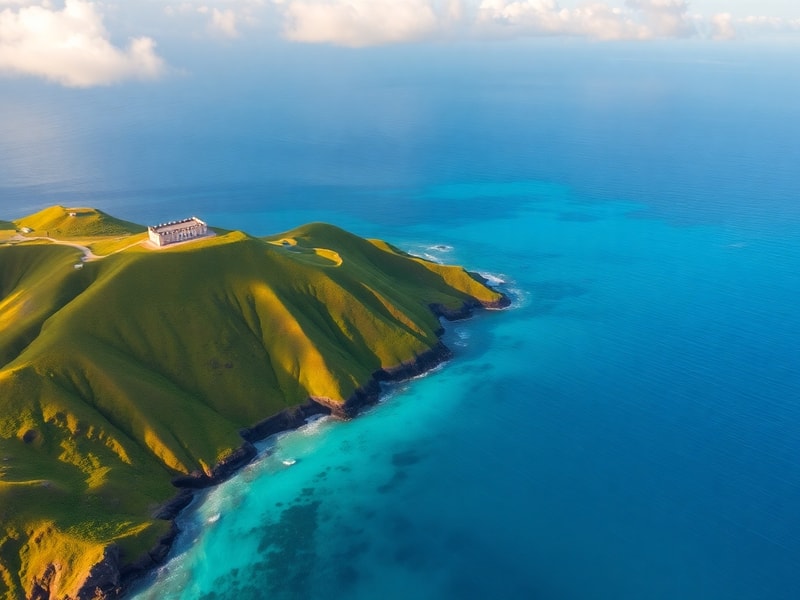
Saint Kitts is often called the “Gateway to the Caribbean” due to its pivotal role in colonial history. The island was the first British and French settlement in the Caribbean, a fact that still lingers in its architecture, place names, and cultural traditions. Brimstone Hill Fortress, a UNESCO World Heritage Site, stands as a testament to this era. Built by enslaved Africans in the 17th century, the fortress offers panoramic views of the island and the neighboring islands of Saba, St. Eustatius, and St. Maarten.
The island’s sugar plantations, once the backbone of its economy, now serve as open-air museums. The Wingfield Estate, one of the oldest sugar plantations in the Caribbean, invites visitors to explore its Great House, windmill ruins, and sugarcane fields. These sites provide a sobering look at the island’s past while highlighting the resilience of its people.
Saint Kitts’ colonial legacy is also evident in its capital, Basseterre. Cobblestone streets wind past pastel-colored buildings, and the Independence Square area showcases 19th-century architecture. The town’s vibrant markets, such as the Basseterre Central Market, offer a sensory overload of fresh produce, spices, and local crafts, reflecting the island’s multicultural heritage.
Natural Wonders and Outdoor Adventures
Beyond its historical sites, Saint Kitts is a playground for nature lovers. The island’s landscape is dominated by the 3,792-foot Mount Liamuiga, a dormant volcano that beckons hikers to its crater. The trek to the summit rewards adventurers with breathtaking views and a chance to peer into the lush rainforest that blankets the volcano’s slopes. For those seeking a less strenuous experience, the nearby Rainforest Adventures offers zip-lining and mountain biking through the canopy.
The island’s beaches are another highlight. South Friar’s Bay, with its powdery white sand and turquoise waters, is a favorite among locals and visitors alike. For a more secluded experience, the black sand beaches of the southeast coast, such as Sandy Point Beach, offer a raw, unspoiled beauty. The clear waters surrounding Saint Kitts are also a haven for snorkelers and divers, with vibrant coral reefs teeming with marine life.
Saint Kitts’ commitment to eco-tourism is evident in its protected areas, such as the Southeast Peninsula National Park. This 3,000-acre reserve is home to endangered species like the green-throated carib and the West Indian whistling duck. The park’s trails wind through mangrove swamps, salt ponds, and dry forest, offering a glimpse into the island’s diverse ecosystems.
Cultural Vibrancy and Local Traditions
Saint Kitts’ culture is a vibrant fusion of African, European, and Caribbean influences. The island’s music scene is a perfect example, with genres like calypso, soca, and steelpan dominating local festivals. The Carnival celebrations, held in December and January, are a highlight, featuring colorful parades, lively music, and elaborate costumes. The festival’s origins trace back to emancipation celebrations, and today, it serves as a joyous expression of the island’s identity.
Local cuisine is another reflection of Saint Kitts’ cultural diversity. Dishes like goat water (a hearty stew), conch fritters, and coconut bread showcase the island’s African and European roots. Fresh seafood, tropical fruits, and spices like nutmeg and cinnamon are staples in Kittitian cooking. Visitors can sample these flavors at local eateries, such as the Fisherman’s Wharf, or at the bustling night markets.
The island’s art scene is also worth exploring. Local artists draw inspiration from the island’s landscapes, history, and folklore. Galleries like the National Museum’s Art Gallery and the Sugar City Art House exhibit works that capture the essence of Saint Kitts. These spaces provide a platform for local artists while offering visitors a chance to take home a piece of the island’s creative spirit.
Why Saint Kitts Stands Out in the Caribbean
In an era where over-tourism threatens the authenticity of many destinations, Saint Kitts remains a rare find. Its small size and focus on sustainable tourism ensure that visitors can experience the island without the crowds that plague places like Barbados or Jamaica. The government’s efforts to promote eco-friendly initiatives, such as the St. Kitts Sea Turtle Monitoring Network, further underscore the island’s commitment to preserving its natural and cultural heritage.
Saint Kitts also stands out for its accessibility. The Robert L. Bradshaw International Airport connects the island to major hubs in the U.S., Canada, and Europe, making it an easy destination for international travelers. Once on the island, getting around is straightforward, with taxis, rental cars, and local buses providing affordable options for exploration.
For those seeking a deeper connection to the Caribbean, Saint Kitts offers an unparalleled experience. Whether it’s delving into the island’s colonial past, hiking through lush rainforests, or simply enjoying a quiet moment on a secluded beach, Saint Kitts invites visitors to slow down and savor the moment. It’s a destination that proves you don’t need fame or mass appeal to offer something truly special.
Key Takeaways About Saint Kitts
- Historical Significance: Saint Kitts was the first British and French settlement in the Caribbean, leaving behind a rich colonial legacy.
- Natural Beauty: From volcanic peaks to pristine beaches, the island offers diverse landscapes for outdoor enthusiasts.
- Cultural Richness: A blend of African, European, and Caribbean influences shapes the island’s music, food, and traditions.
- Sustainable Tourism: Saint Kitts focuses on eco-friendly initiatives and preserving its cultural heritage, making it a responsible travel choice.
- Accessibility: Easy international connections and affordable transportation options make Saint Kitts a convenient getaway.
For travelers looking to explore beyond the typical Caribbean hotspots, Saint Kitts is a destination that delivers authenticity, adventure, and relaxation in equal measure. It’s a place where history, nature, and culture intertwine to create an experience that lingers long after the trip ends.
If you’re planning a trip to the Caribbean, consider adding Saint Kitts to your itinerary. Whether you’re drawn by its historical sites, natural wonders, or vibrant culture, the island promises a journey that’s both enriching and unforgettable.
For more travel inspiration and guides, explore our Travel and Culture sections on Dave’s Locker.