By Alex Rivera | Published June 12, 2024
The 405 Closure That Changed LA Traffic Forever
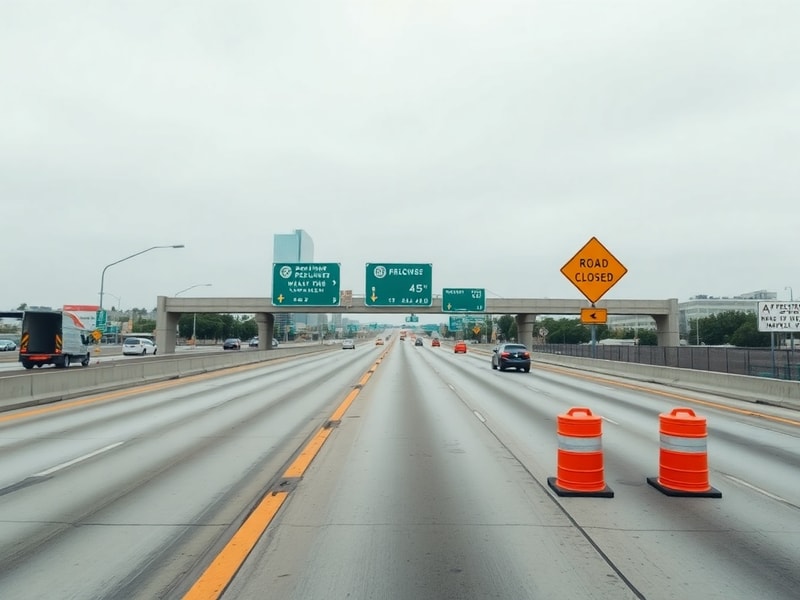
For 10 days in July 2023, a stretch of the 405 Freeway between the 10 and 101 freeways in Los Angeles remained closed. This wasn’t just another traffic snarl—it was a planned closure for construction, but one that revealed the fragile nature of LA’s transportation infrastructure. What began as a routine maintenance project quickly exposed how dependent the city has become on a single highway system that barely functions during peak hours.
The closure wasn’t just a local issue. It affected commuters, delivery drivers, emergency services, and even the local economy. With no viable alternative routes, the ripple effects lasted for weeks. The incident served as a stress test for LA’s traffic systems, and the results were alarming. Average commute times doubled in some areas, and public transit systems struggled to absorb the overflow.
Key Takeaways from the 405 Closure
- Traffic chaos reigned: Some drivers reported commutes stretching from 30 minutes to over two hours.
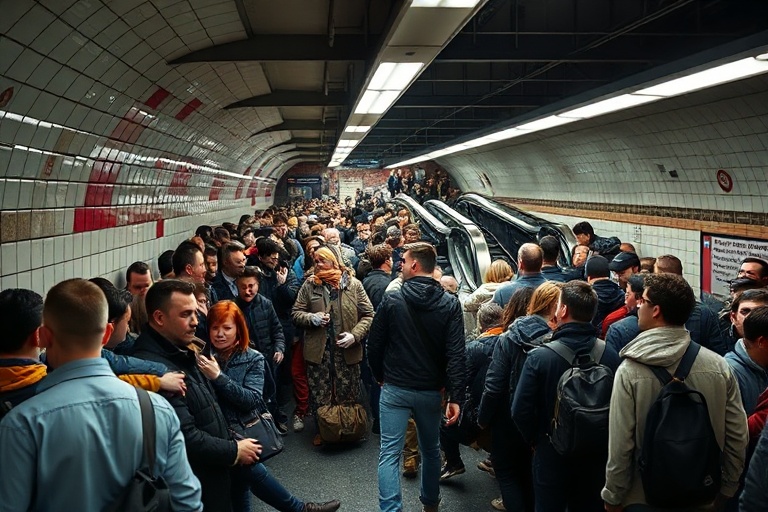
- Public transit overwhelmed: Metro buses and trains saw ridership spikes of up to 40% on affected routes.
- Economic impact: Local businesses reported losses due to reduced foot traffic from customers who couldn’t get to stores.
- Emergency response delays: Fire departments and ambulances faced longer response times in affected areas.
- Political fallout: City officials faced public backlash for not providing better alternatives.
Why LA Can’t Afford Another 405 Closure
Los Angeles’ transportation system has long been criticized for its inefficiency. The 405, often called “the most congested highway in America,” carries over 300,000 vehicles daily. When it shuts down, even partially, the entire region grinds to a halt. The 2023 closure wasn’t the first—similar incidents occurred in 2011 and 2020—but it was the most disruptive in recent memory.
The problem isn’t just the 405 itself. LA’s public transit system, while improving, still lacks the capacity to handle a sudden influx of drivers. Metro’s rail and bus networks are often overcrowded, and many residents still rely on personal vehicles due to limited coverage in suburban areas. The closure highlighted a critical gap: without viable alternatives, Angelenos are trapped in a cycle of congestion and frustration.
City planners have long debated solutions. Expanding Metro rail lines, implementing congestion pricing, or even building new highways have all been proposed. But progress is slow. The 405 closure served as a wake-up call, proving that LA cannot afford to ignore its transportation problems any longer. The city’s economic future depends on creating a more resilient, multimodal transportation network.
The Broader Implications of LA’s Traffic Nightmare
The 405 closure wasn’t just an inconvenience—it was a symptom of a larger issue. LA’s reliance on cars has made it one of the most congested cities in the world. According to the Texas A&M Transportation Institute, LA drivers spend an average of 119 hours per year stuck in traffic. That’s nearly five full days lost annually, just sitting in gridlock.
The environmental impact is equally concerning. Idling cars contribute to LA’s already poor air quality, which is among the worst in the nation. The 405 closure temporarily reduced emissions in some areas, but the long-term effects of increased traffic on the environment are devastating. The incident underscored the urgent need for sustainable transportation solutions, such as expanded bike lanes, electric vehicle infrastructure, and better pedestrian pathways.
Beyond traffic and pollution, the closure also exposed socioeconomic divides. Residents in wealthier neighborhoods often have better access to alternative routes or remote work options. Meanwhile, lower-income communities, which are more dependent on public transit, bore the brunt of the disruption. This disparity raises important questions about equity in urban planning and whether LA’s transportation policies are leaving some residents behind.
“The 405 closure was a stress test for LA, and the results were clear: our transportation system is broken. We need to invest in alternatives now, before the next crisis hits.”
—Dr. Maria Hernandez, Urban Planning Expert
What Comes Next for LA’s Transportation Future?
In the aftermath of the 405 closure, city officials announced a series of short-term and long-term measures to mitigate future disruptions. These include expanding real-time traffic apps, improving signage for alternative routes, and increasing Metro service on key lines. However, these steps are just Band-Aids on a much larger wound.
The real solution lies in long-term planning. LA’s automotive and transportation sectors must collaborate on a comprehensive plan that includes:
- Expanding public transit: More rail lines, dedicated bus lanes, and increased frequency during peak hours.
- Investing in active transportation: Protected bike lanes, pedestrian-friendly streets, and scooter-sharing programs.
- Implementing congestion pricing: Charging drivers for entering high-traffic areas to reduce congestion.
- Enhancing emergency preparedness: Better coordination between Caltrans, Metro, and local agencies to handle future closures.
- Promoting remote work: Encouraging flexible work arrangements to reduce peak-hour traffic.
These changes won’t happen overnight. They require significant investment, political will, and public buy-in. But the 405 closure proved that the cost of inaction is far greater. LA cannot continue to function with a transportation system that teeters on the edge of collapse every time a major highway closes.
For now, Angelenos are left to navigate a system that feels increasingly fragile. The next closure could happen at any time—whether due to construction, an accident, or an emergency. The question is whether LA will finally address its transportation crisis before the next disruption brings the city to a standstill.
About the Author: Alex Rivera is a staff writer for Dave’s Locker, covering urban development and transportation issues in Los Angeles.