Alisson Becker: How Brazil’s Goalkeeper Changed Modern Football
“`html
From Iratí to Liverpool: Alisson Becker’s Unlikely Rise
Alisson Ramsés Becker’s journey from the modest football fields of Iratí, Paraná, to the grand stages of the UEFA Champions League reads like a carefully crafted underdog narrative. Born on October 2, 1992, he grew up in a family deeply embedded in the sport—his father, José Fábio Becker, was a goalkeeper coach, and his older brother, Muriel, also plays professionally. Yet, Alisson’s path was not predetermined by legacy alone. It was marked by discipline, adaptability, and an almost scientific approach to goalkeeping.
His professional career began at Internacional in Porto Alegre, where he honed his skills in Brazil’s competitive league. While his early years were overshadowed by established names, a move to Roma in 2016 marked a turning point. Under the guidance of manager Luciano Spalletti, Alisson flourished, showcasing reflexes and composure that caught the attention of Europe’s elite clubs. His performances in Serie A and the Europa League solidified his reputation as a goalkeeper of rare quality—one who combined technical precision with leadership.
In 2018, Liverpool secured his services for a reported £66.8 million, making him the world’s most expensive goalkeeper at the time. The move underscored a global shift in football priorities: clubs were no longer merely seeking shot-stoppers but complete defensive architects who could orchestrate play from the back.
The Evolution of the Goalkeeper: A Global Perspective
Alisson Becker has become emblematic of a broader evolution in football tactics. Traditional goalkeepers were valued primarily for their ability to make saves. Modern custodians, however, are expected to act as the first line of attack, initiating plays with pinpoint passing and reading the game with the intelligence of a midfielder. This transformation has been decades in the making, influenced by coaches like Pep Guardiola and Jürgen Klopp, who demand total football from every outfield player—including those between the posts.
Alisson’s style aligns perfectly with this philosophy. His distribution is calm and deliberate, often bypassing midfield with long balls to wingers or full-backs. His footwork allows Liverpool to play out from the back, a tactic that has become a hallmark of Klopp’s system. This approach has redefined expectations for goalkeepers in top leagues across Europe, from La Liga to the Premier League.
In South America, where goalkeepers traditionally relied on reflexes and aerial dominance, Alisson’s success has inspired a new generation. Clubs in Brazil and Argentina now scout for young keepers who possess not only shot-stopping ability but also technical prowess. This shift reflects a cultural and tactical convergence in global football, where innovation in one league quickly influences others.
Champions League Glory and the Redemption of a Nation
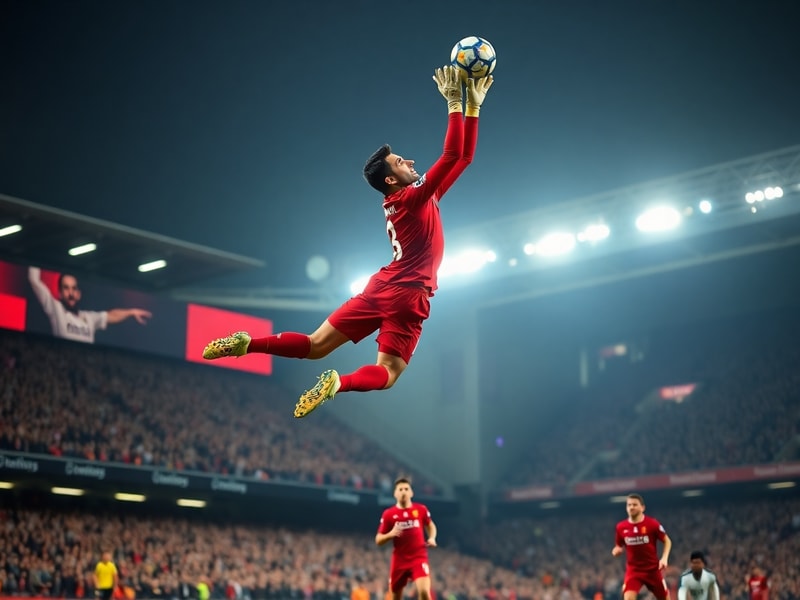
Alisson’s defining moment came in the 2019 UEFA Champions League final against Tottenham Hotspur. With Liverpool leading 2–0, a late surge from Spurs put the Reds under immense pressure. In stoppage time, with the score at 2–1, Alisson produced a crucial intervention, tipping a late header over the bar. The victory cemented his place in Liverpool folklore and completed a historic comeback from the 2018 final defeat to Real Madrid.
For Brazilian football fans, Alisson’s triumph carried particular significance. Brazil has long been a powerhouse in attacking football, producing legends like Pelé, Ronaldo, and Ronaldinho. Yet, its goalkeepers rarely achieved the same global acclaim. Names like Taffarel and Dida were respected, but none had won the Champions League or been named FIFA’s Best Goalkeeper. Alisson’s success helped shift that narrative, proving that Brazilian custodians could excel in Europe’s most demanding competitions.
His role in ending a 30-year wait for a European Cup for English football also resonated culturally. The Premier League, known for its physicality and intensity, had often been skeptical of imported goalkeepers. Alisson’s composure under pressure helped dispel those doubts and set a new standard for foreign players in the league.
Beyond the Pitch: Alisson’s Influence and Humanitarian Work
Off the field, Alisson Becker has used his platform to advocate for social causes. In 2020, during the COVID-19 pandemic, he partnered with UNICEF to promote vaccine awareness in Brazil. His message emphasized unity and science, aligning with his disciplined approach to training and preparation.
Alisson is also known for his down-to-earth demeanor and strong family values. He frequently credits his wife, Natalia Loewe, a Brazilian physician, for supporting his career and maintaining balance in his life. Their public appearances often highlight themes of humility and gratitude—qualities not always associated with modern football stars.
His influence extends to fashion and branding. As a global ambassador for Nike, Alisson has helped redefine the aesthetic of goalkeepers in popular culture. Gone are the days of bulky gloves and plain jerseys. Today, keepers like Alisson are style icons, with custom cleats and gloves featured in football lifestyle magazines and social media feeds worldwide.
Challenges and the Future: Can Alisson Stay at His Peak?
Even at the highest level, Alisson has faced challenges. Injuries, including a calf strain in 2021 and a hip issue in 2023, have disrupted his rhythm. At 31, questions arise about longevity and the ability to maintain elite reflexes over time. Yet, his recovery protocols and professionalism suggest he remains focused on extending his career.
Liverpool’s recent transfer activity has also raised questions about succession planning. With young goalkeeper Caoimhín Kelleher pushing for minutes, the club is building a sustainable model. Alisson’s leadership will be crucial in mentoring the next generation of goalkeepers at Anfield.
Looking ahead, Alisson’s legacy is already secure. Whether he wins another Premier League title or lifts the World Cup in 2026, his impact on the game is undeniable. He has not only redefined the role of a goalkeeper but has also become a symbol of Brazilian excellence in a globalized sport.
Conclusion: A New Standard for Goalkeepers
Alisson Becker’s career is more than a collection of saves and clean sheets. It represents a shift in football philosophy, a cultural milestone for Brazilian athletes, and a testament to the power of preparation and adaptability. In an era where goalkeepers are judged not just by saves but by their influence on the game, Alisson stands as a benchmark.
His journey reminds us that greatness is not inherited—it is earned through hard work, resilience, and a willingness to evolve. As football continues to change, players like Alisson ensure that the position of goalkeeper remains as dynamic and essential as any other on the pitch.
For aspiring keepers around the world, from the favelas of Rio to the academies of Liverpool, Alisson Becker’s story is a blueprint: dream big, stay grounded, and redefine the game—one save at a time.
- Alisson Becker’s career trajectory reflects the globalization of football, where talent from South America is increasingly shaping European success.
- His success has influenced coaching methods worldwide, emphasizing technical goalkeeping as a tactical necessity.
- Off-field advocacy and personal branding have made him a role model beyond sports, particularly in Brazil.
For more insights into football’s evolving tactics and global stars, visit our Sports and Analysis sections at Dave’s Locker.