Published on October 15, 2023
Background of the Settlement
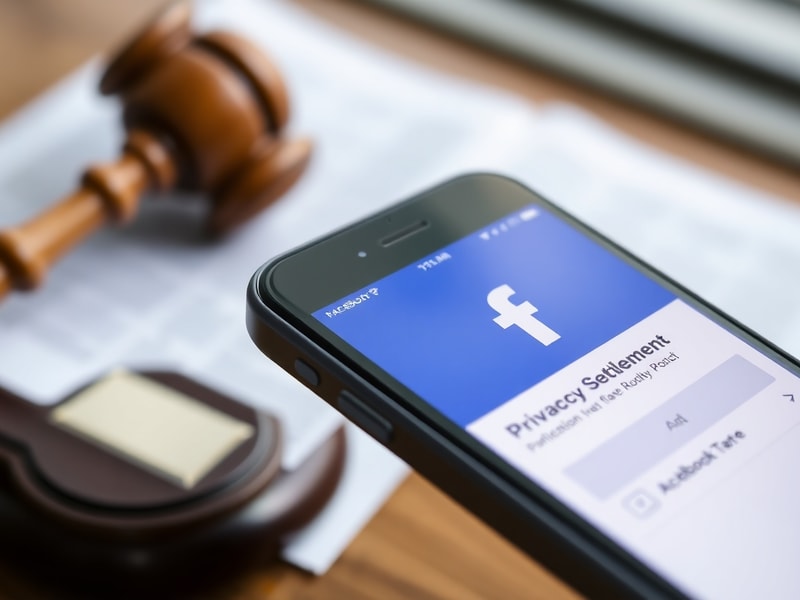
Facebook, now operating as Meta Platforms, Inc., reached a landmark settlement in December 2022 addressing allegations of mishandling user privacy. The case stemmed from a 2018 data breach involving Cambridge Analytica, where the personal data of millions of users was improperly accessed and used for political advertising. Regulators and users argued that Facebook failed to adequately protect its users’ information, violating privacy laws.
The settlement totaled $725 million, making it one of the largest privacy-related payouts in U.S. history. While Meta did not admit wrongdoing, the agreement signaled a significant shift in how the company would handle user data moving forward. The case also highlighted the growing scrutiny of social media platforms and their responsibility to safeguard personal information.
Who Qualifies for Compensation?
Eligibility for compensation was determined by specific criteria outlined in the settlement. Users who had an active Facebook account between May 2007 and December 2022 were automatically included in the claims process. The settlement covered individuals whose data was compromised due to the Cambridge Analytica breach or other related privacy violations.
Those who believed they were affected could file claims through the settlement website. Payments were distributed based on the number of valid claims submitted. While the exact amount per claimant varied, the process ensured that affected users received some form of compensation for the misuse of their data.
Key Takeaways for Affected Users
- Automatic inclusion: No action was required for users with accounts during the specified period.
- Claim process: Those who believed they were affected could submit additional claims for review.
- Compensation distribution: Payments were made proportionally based on the number of valid claims.
- Deadline awareness: Users had a limited window to file claims, emphasizing the importance of timely action.
Broader Implications for Social Media Privacy
The Facebook settlement serves as a cautionary tale for the tech industry, illustrating the legal and financial risks of failing to protect user data. Regulators have since intensified their oversight of social media platforms, with new laws and policies aimed at enhancing transparency and accountability. The case also sparked public conversations about data ownership and the ethical responsibilities of technology companies.
For users, the settlement underscored the importance of understanding how their data is collected and used. It also prompted many to reassess their online habits, such as limiting third-party app access and adjusting privacy settings. The broader impact of the settlement may lead to stricter industry standards and greater emphasis on user consent in data practices.
What This Means for the Future
Meta and other social media companies are now under increased pressure to prioritize privacy. The settlement may set a precedent for future legal actions, encouraging other platforms to proactively address data security concerns. Additionally, the case has fueled advocacy for stronger consumer protections, including potential federal privacy laws in the United States.
For users, staying informed about privacy policies and exercising caution when sharing personal information remains critical. The settlement serves as a reminder that accountability is not optional—it is an expectation in an increasingly digital world.
How to Protect Your Online Privacy Moving Forward
While the Facebook settlement offers some recourse for affected users, protecting personal data requires ongoing vigilance. Start by reviewing the privacy settings on all social media platforms you use. Limit the amount of personal information shared publicly and disable unnecessary app permissions. Regularly audit your online accounts to identify potential vulnerabilities.
Consider using tools like two-factor authentication and password managers to enhance security. Be cautious about sharing sensitive information, even in private messages, as data breaches can occur anywhere. Educate yourself about phishing scams and other tactics used to exploit personal data.
Actionable Steps for Users
- Review and update privacy settings on all social media accounts.
- Limit third-party app access to your data.
- Use strong, unique passwords and enable two-factor authentication.
- Stay informed about data breaches and security best practices.
- Advocate for stronger privacy protections by supporting relevant legislation.
The Facebook user privacy settlement marks a turning point in the conversation about data protection. While compensation provides some relief for affected users, the broader implications extend far beyond individual payouts. As technology continues to evolve, so too must the safeguards designed to protect users. Staying informed and proactive is the best defense in an era where personal data is constantly at risk.
For more insights on technology and privacy, visit our Technology and News sections on Dave’s Locker.