Royal Lodge: The Quiet Crown Jewel of Windsor Explored
“`html
Royal Lodge: The Quiet Crown Jewel of Windsor
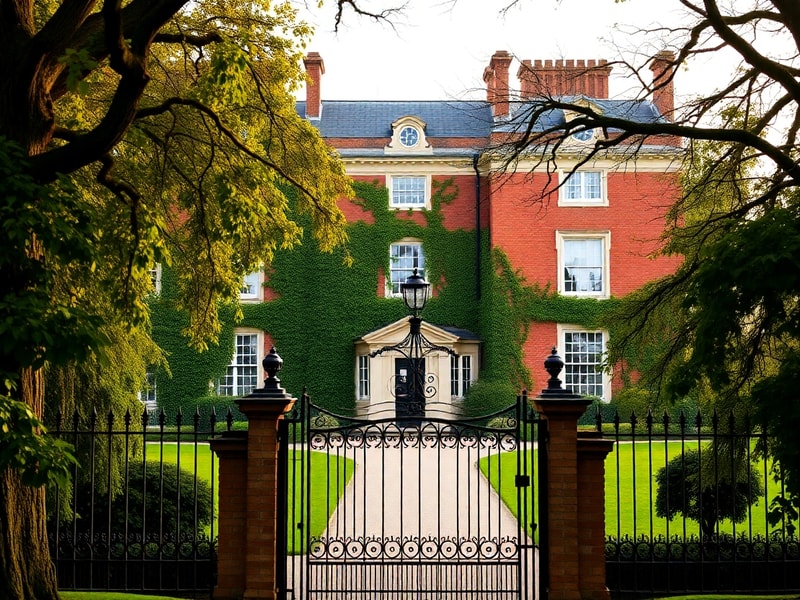
Nestled within the sprawling grounds of Windsor Great Park, Royal Lodge stands as a lesser-known yet historically rich residence of the British royal family. Built in the 18th century as a modest hunting lodge, it has evolved into a private retreat for senior royals, particularly Prince Andrew. Unlike the grand palaces that dominate public imagination, Royal Lodge offers a rare glimpse into the more understated side of royal life—where tradition meets modernity in quiet elegance.
The History of Royal Lodge
Royal Lodge’s origins trace back to 1750, when it was commissioned by King George II as a private residence for his son, the Duke of Cumberland. Over the centuries, the lodge underwent numerous transformations, reflecting the architectural tastes and functional needs of its occupants. By the 1930s, it had become a favored retreat for King George VI and Queen Elizabeth (later the Queen Mother), who oversaw significant renovations.
In 2004, Prince Andrew and Sarah, Duchess of York, took up residence, making Royal Lodge their primary home until their separation. Since then, the property has remained a private space, occasionally hosting family gatherings and official engagements. Its secluded location within Windsor Great Park—spanning over 4,800 acres—ensures privacy, a critical factor for those seeking respite from public life.
Architecture and Design: A Blend of Tradition and Modernity
Royal Lodge’s architecture is a study in adaptation. The original Georgian structure was expanded in the 19th century with Victorian elements, including ornate interiors and expansive gardens. Today, the lodge features a mix of classical and contemporary design, with updated amenities that cater to modern living.
Key features of Royal Lodge include:
- Chapel Royal: A private chapel used for family services and small gatherings.
- Garden Suite: A modern extension designed for informal entertaining.
- Reception Rooms: Decorated with antique furnishings, reflecting the lodge’s royal heritage.
- Outdoor Grounds: Manicured gardens and woodland trails, offering a serene escape.
The lodge’s interiors are a testament to its evolving role. While some rooms retain original features, others have been refurbished to meet contemporary standards, balancing heritage with functionality. This duality makes Royal Lodge a fascinating case study in how royal residences adapt to changing needs without losing their historical essence.
Royal Lodge in the Public Eye: Privacy vs. Public Interest
Despite its private status, Royal Lodge occasionally draws media attention, particularly during significant royal events. Its most notable public appearance came in 2020, when it served as the setting for Prince Andrew’s now-infamous interview with BBC’s Emily Maitlis regarding his association with Jeffrey Epstein. The interview, held in the library, became a defining moment in the lodge’s modern history, sparking debates about transparency and accountability in the royal family.
The incident highlighted the tension between royal privacy and public interest. While Royal Lodge is not a tourist attraction, its use for official or semi-official purposes inevitably draws scrutiny. This raises broader questions about how the monarchy navigates modern expectations of openness while maintaining the seclusion necessary for personal and institutional integrity.
For those interested in the intersection of royalty and public life, exploring how spaces like Royal Lodge function can provide valuable insights into the monarchy’s evolving role in 21st-century Britain. Royalty on Dave’s Locker offers further analysis on similar topics.
The Broader Implications of Royal Residences
Royal Lodge is more than just a private home; it is a symbol of the monarchy’s enduring relationship with history, land, and legacy. Residences like this one serve as physical anchors for traditions that have shaped British identity, from ceremonial events to family milestones. Yet, they also reflect the challenges of maintaining relevance in an era where public figures face unprecedented scrutiny.
The lodge’s location within Windsor Great Park—one of the largest private green spaces in England—adds another layer of significance. The park itself is a protected landscape, managed with a focus on conservation and public access. This dual role as both a private retreat and a managed public space underscores the complex balance the monarchy must strike between exclusivity and openness.
As the royal family continues to adapt to modern expectations, properties like Royal Lodge will likely remain central to discussions about tradition, privacy, and public duty. Their very existence challenges us to consider how institutions rooted in history can evolve without eroding their core values.
Conclusion: A Hidden Gem with Lasting Legacy
Royal Lodge may lack the grandeur of Buckingham Palace or the historical weight of Windsor Castle, but its quiet presence offers a compelling narrative of adaptation and resilience. From its origins as a hunting lodge to its modern role as a private retreat, it embodies the monarchy’s ability to balance history with contemporary needs. While the public may never fully access its halls, Royal Lodge remains a vital piece of the royal puzzle—a place where tradition and modernity coexist in understated harmony.
For those fascinated by the behind-the-scenes workings of the monarchy, Royal Lodge serves as a reminder that even the most private spaces hold stories worth exploring. Its legacy, like that of the royal family itself, is one of quiet endurance and quiet evolution.