What Is Summer Game Fest and Why It Matters
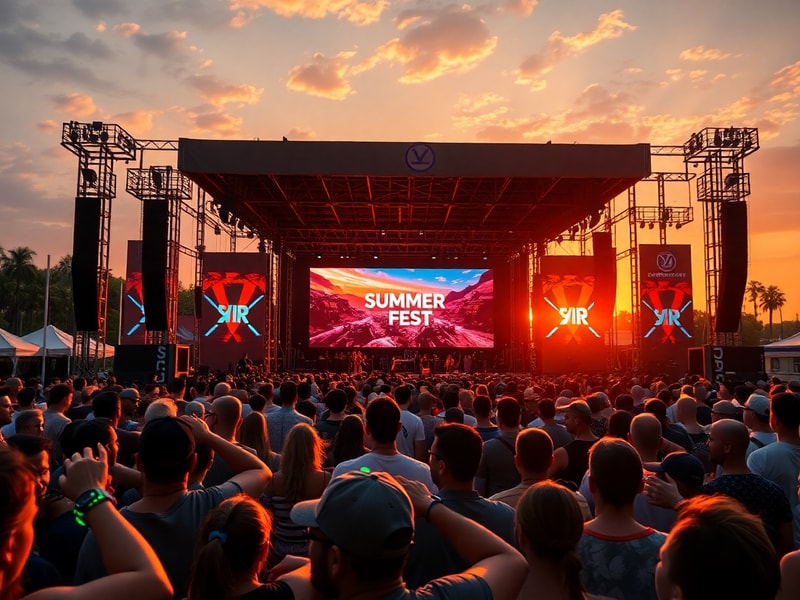
Summer Game Fest has evolved from a modest digital event into a pivotal moment on the gaming calendar. Created by Geoff Keighley in 2020 as a response to the cancellation of in-person industry events during the pandemic, it quickly filled a void. The event now serves as both a platform for major announcements and a cultural touchstone for millions of gamers worldwide. Unlike traditional press conferences, which are often dominated by a single publisher, Summer Game Fest curates content from across the industry. This inclusivity has made it a bellwether for trends in interactive entertainment.
The festival’s global reach cannot be overstated. It has transcended its origins as a primarily English-language presentation to embrace regional markets. In Japan, for instance, Summer Game Fest has become a key moment for showcasing titles targeting Asian audiences. Meanwhile, in Europe, it has been leveraged to highlight games that cater to the continent’s thriving indie scene. This international perspective has turned the event into a barometer for the industry’s shifting priorities, from narrative-driven experiences to competitive esports titles.
The Evolution of an Industry Event
When Summer Game Fest debuted in 2020, it was a scrappy alternative to canceled events like E3. That first year featured a two-hour livestream with trailers, developer interviews, and a sense of urgency. By 2023, the event had expanded to a month-long showcase, with daily digital showcases leading up to a headline presentation. This growth reflects the gaming industry’s rapid expansion, which now generates more revenue than film and music combined.
The festival’s format has also adapted to changing consumer habits. Where once gamers relied on dedicated gaming media, today’s audiences consume content through social platforms like TikTok, YouTube, and Twitch. Summer Game Fest has embraced this shift, offering clips optimized for vertical screens and partnering with creators to amplify its reach. This strategy ensures that announcements don’t just reach hardcore fans but also the broader public.
The Cultural Impact of Summer Game Fest
Summer Game Fest is more than a series of trailers—it’s a cultural event that shapes conversations around gaming. In 2022, the festival’s emphasis on accessibility features sparked global discussions about inclusive design. Similarly, its focus on narrative games in 2023 brought attention to storytelling in interactive media. These themes resonate far beyond the gaming community, influencing filmmakers, writers, and even educators.
The festival’s international appeal is evident in how it highlights regional talent. In 2021, Summer Game Fest dedicated segments to games from Latin America and Africa, regions often overlooked in mainstream gaming discourse. This commitment to diversity has made the event a vital space for underrepresented voices. It also reflects a broader industry trend toward global collaboration, where developers from different continents contribute to a single project.
Summer Game Fest has also become a space for fan engagement. The event’s interactive elements, such as live Q&As and community polls, foster a sense of participation. This approach aligns with the rise of participatory culture, where audiences no longer passively consume content but actively shape it. The festival’s social media integration further amplifies this effect, turning viewers into co-creators of the event’s narrative.
Key Announcements and Trends from Recent Festivals
Summer Game Fest 2024 continued the tradition of delivering surprises. Some of the most talked-about reveals included a highly anticipated sequel from a major publisher, a visually stunning indie title, and a surprise announcement from a typically secretive studio. These moments underscored the festival’s role as a launchpad for both blockbuster and niche experiences.
One notable trend was the emphasis on player agency. Several games announced at the festival featured branching narratives or dynamic gameplay systems that adapt to player choices. This shift reflects a growing demand for experiences that feel personal and immersive. It also aligns with the rise of narrative-driven games like sports sims that blend gameplay with storytelling.
Another highlight was the focus on sustainability. Multiple titles announced at Summer Game Fest 2024 incorporated eco-friendly themes or mechanics that encourage players to think critically about environmental issues. This reflects a broader cultural shift toward sustainability, which is increasingly influencing creative industries.
The Business Side of Summer Game Fest
From a commercial perspective, Summer Game Fest has become a critical driver of sales and pre-orders. The festival’s headline presentations often feature gameplay demos that give players a tangible sense of what to expect. This transparency helps build hype and reduces post-launch disappointment, a common issue in an industry where trailers frequently oversell a game’s experience.
The event also serves as a networking hub for industry professionals. Developers, publishers, and investors use the festival to forge partnerships and explore new opportunities. This business angle is often overshadowed by the consumer-facing aspects of the event, but it plays a vital role in shaping the future of gaming.
The financial impact of Summer Game Fest is substantial. According to industry analysts, the 2023 event contributed to a 12% increase in game pre-orders during the subsequent month. This surge in demand is particularly significant for mid-sized studios, which rely on events like Summer Game Fest to compete with industry giants.
Looking Ahead: The Future of Summer Game Fest
As gaming continues to evolve, so too will Summer Game Fest. Future iterations may incorporate virtual reality experiences, allowing attendees to explore game worlds in immersive ways. There’s also potential for the festival to expand into new formats, such as interactive livestreams where viewers can influence the content being presented.
The event’s global reach will likely continue to grow, with more regional showcases tailored to specific markets. This localization effort could further democratize the gaming industry, giving smaller studios from underrepresented regions a platform to shine. It could also foster greater collaboration between developers from different continents, leading to more innovative and diverse games.
Ultimately, Summer Game Fest is a reflection of the gaming industry itself—dynamic, inclusive, and constantly evolving. It has moved beyond its origins as a stopgap solution to become a defining cultural event. As gaming continues to assert its place in the global entertainment landscape, events like Summer Game Fest will play an increasingly vital role in shaping its future.
For gamers, industry professionals, and casual observers alike, Summer Game Fest offers a rare glimpse into the creative and commercial forces driving the medium forward. It’s a celebration of what gaming can be—a space for innovation, storytelling, and global connection.