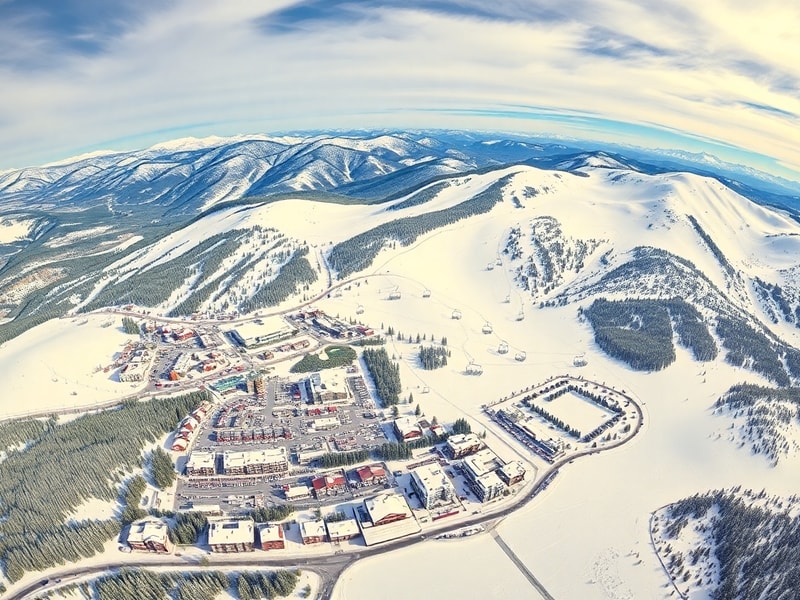
In the heart of the Rocky Mountains, Vail Resorts has quietly built an empire that extends far beyond its original ski slopes. What began as a single ski resort in Colorado now spans 37 mountain resorts across three countries, with operations ranging from skiing and snowboarding to luxury lodging and dining experiences. The company’s evolution reflects broader trends in tourism, real estate development, and even climate adaptation strategies.
The Rise of an Industry Titan
Vail Resorts was founded in 1962 when a group of investors opened a ski resort in Vail, Colorado. At the time, it was one of many regional ski destinations competing for attention. By the 1990s, however, the company began a series of strategic acquisitions that would redefine its identity. The purchase of Keystone and Breckenridge in Colorado, followed by Park City in Utah and Heavenly in California, marked the beginning of its transformation into a national powerhouse.
Today, Vail Resorts operates some of the most recognizable names in winter sports, including Whistler Blackcomb in Canada and Perisher in Australia. Its acquisition strategy has not only expanded its geographic reach but also diversified its offerings. The company now manages year-round destinations, from mountain biking in summer to alpine coaster rides and fine dining experiences. This shift has allowed Vail Resorts to attract visitors beyond traditional ski seasons, reducing its reliance on winter tourism.
Key Milestones in Vail Resorts’ Growth
- 1962: Vail Mountain Resort opens in Colorado.
- 1985: Vail Resorts goes public, raising capital for expansion.
- 1997: Acquires Keystone and Breckenridge, doubling its Colorado presence.
- 2011: Purchases Park City Mountain Resort, adding Utah to its portfolio.
- 2016: Acquires Stowe Mountain Resort in Vermont, expanding into the East.
- 2019: Completes the acquisition of Whistler Blackcomb, creating the largest ski resort in North America.
- 2020: Launches the Epic Pass, a season pass offering access to all Vail Resorts properties.
Beyond Skiing: The Business of Experiential Tourism
Vail Resorts’ success is not solely tied to its ski slopes. The company has mastered the art of selling experiences, combining adventure with luxury and convenience. Its Sports and Travel categories on Dave’s Locker highlight how mountain destinations have become year-round playgrounds. From summer hiking trails to high-end spa retreats, Vail Resorts has redefined what it means to visit a mountain destination.
One of the company’s most significant innovations is its season pass system. The Epic Pass, introduced in 2008, offers unlimited access to Vail Resorts’ properties for a flat fee. This model has disrupted traditional ski industry pricing, encouraging skiers to visit multiple resorts throughout the season. The pass also includes discounts on lodging, dining, and equipment rentals, creating a seamless experience for visitors.
The company’s focus on luxury and convenience extends to its real estate developments. Properties like Vail’s LionsHead Village and Beaver Creek’s Bachelor Gulch offer ski-in, ski-out accommodations paired with world-class amenities. These developments cater to high-end travelers willing to pay premium prices for exclusivity and accessibility. The strategy has not only boosted revenue but also solidified Vail Resorts’ reputation as a leader in experiential tourism.
The Broader Impact on Mountain Communities
Vail Resorts’ growth has had profound effects on the communities where it operates. On one hand, the company brings jobs, tourism revenue, and infrastructure improvements to often remote mountain towns. On the other, its dominance raises concerns about local affordability, environmental impact, and the homogenization of mountain culture.
In towns like Vail and Breckenridge, the influx of tourists and seasonal workers has driven up housing costs, pricing out long-time residents. Critics argue that Vail Resorts’ business model prioritizes profit over community needs, particularly as climate change threatens the viability of ski resorts. The company has responded with sustainability initiatives, such as renewable energy investments and waste reduction programs, but skeptics question whether these efforts go far enough.
Environmental advocates also point to the ecological footprint of large-scale ski resorts. Snowmaking, trail grooming, and resort expansions can disrupt local ecosystems, particularly in fragile alpine environments. Vail Resorts has committed to carbon neutrality by 2030, but achieving this goal will require significant changes to its operations and supply chain.
Challenges and Criticisms
- Housing Affordability: Seasonal workers and residents struggle with high rents and limited housing options in resort towns.
- Climate Change: Warmer winters and reduced snowfall threaten the long-term viability of ski-dependent businesses.
- Corporate Influence: Critics argue that Vail Resorts’ dominance stifles competition and local entrepreneurship.
- Environmental Impact: Large-scale resorts face scrutiny over water usage, wildlife disruption, and carbon emissions.
The Future of Vail Resorts and Mountain Tourism
As Vail Resorts continues to expand, its strategies will likely shape the future of mountain tourism. The company’s shift toward year-round operations and luxury experiences reflects broader trends in the travel industry, where authenticity and convenience are increasingly valued. However, its ability to navigate environmental and social challenges will determine its long-term success.
One area of growth is international expansion. The acquisition of Whistler Blackcomb and Perisher demonstrates Vail Resorts’ ambition to become a global brand. Future acquisitions may target emerging markets in Europe or Asia, where demand for ski tourism is growing. However, entering new regions will require careful consideration of local regulations, cultural preferences, and environmental concerns.
Another critical factor is climate adaptation. Vail Resorts has invested in snowmaking technology and renewable energy, but these measures may not be sufficient in the face of accelerating climate change. The company’s carbon neutrality pledge is a step in the right direction, but industry analysts will closely monitor its progress. If successful, Vail Resorts could set a new standard for sustainable tourism in the outdoor recreation sector.
For mountain communities, the company’s influence will continue to be a double-edged sword. While Vail Resorts brings economic benefits, its growth also amplifies existing challenges, from housing shortages to environmental degradation. The company’s willingness to collaborate with local stakeholders and invest in community resilience will play a crucial role in shaping its legacy.
Conclusion
Vail Resorts’ journey from a single ski resort to a global tourism empire is a testament to its adaptability and ambition. By redefining mountain tourism as a year-round, experience-driven industry, the company has set a new benchmark for the outdoor recreation sector. However, its success comes with significant responsibilities—balancing growth with sustainability, profit with community needs, and innovation with tradition.
As climate change and economic pressures reshape the tourism landscape, Vail Resorts’ ability to evolve will determine its future. For now, it remains a dominant force in mountain tourism, shaping not only how we ski but how we experience the natural world. The story of Vail Resorts is far from over, and its next chapter will likely redefine the boundaries of what mountain destinations can offer.